
















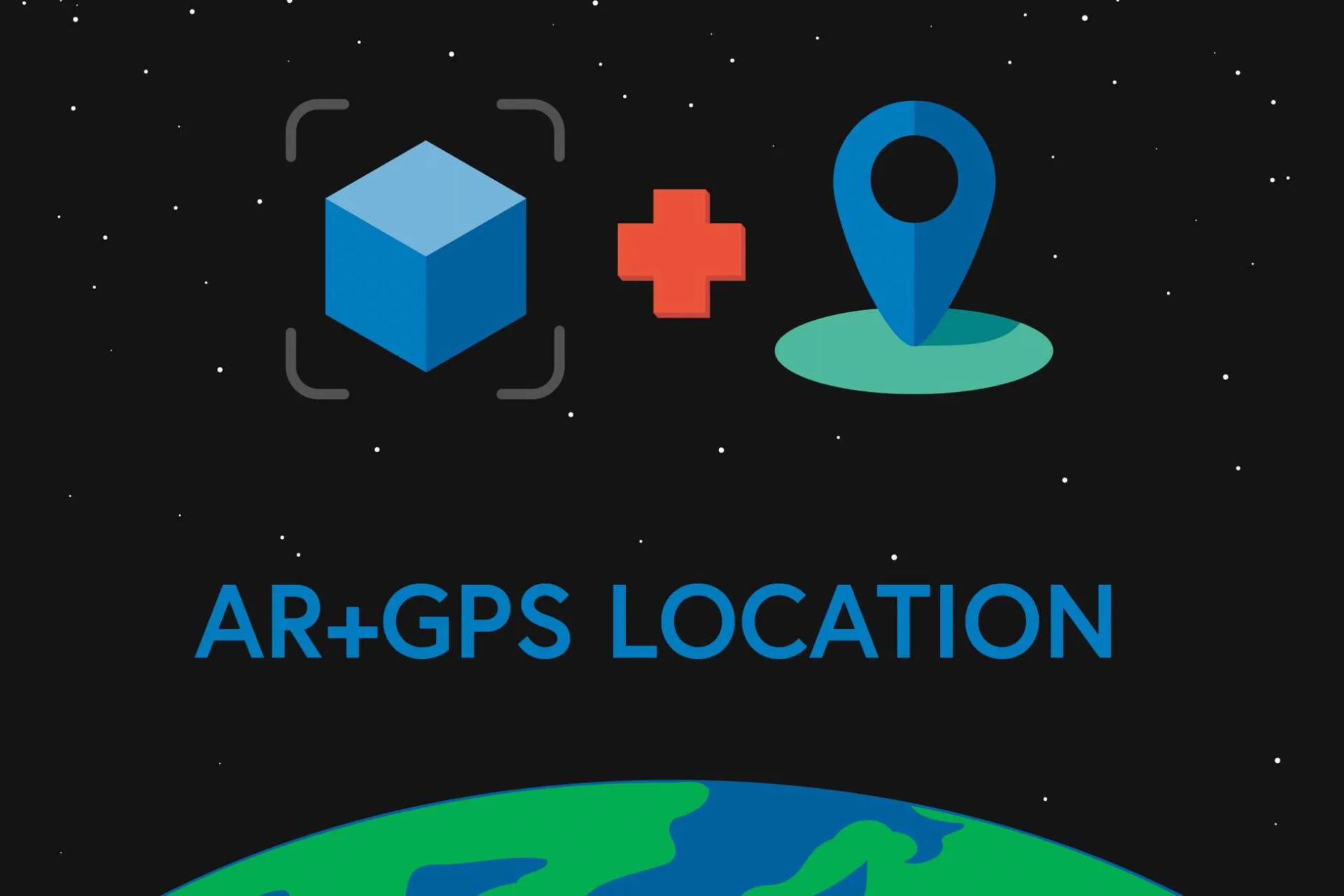
Limitations of GPS for Accurate AR Positioning
For years, GPS has been our reliable guide, from navigating unfamiliar streets to finding nearby restaurants. Its ubiquity makes GPS seem a natural choice for location-based AR. However, when it comes to overlaying digital content onto the physical world with high precision, GPS often falls short.
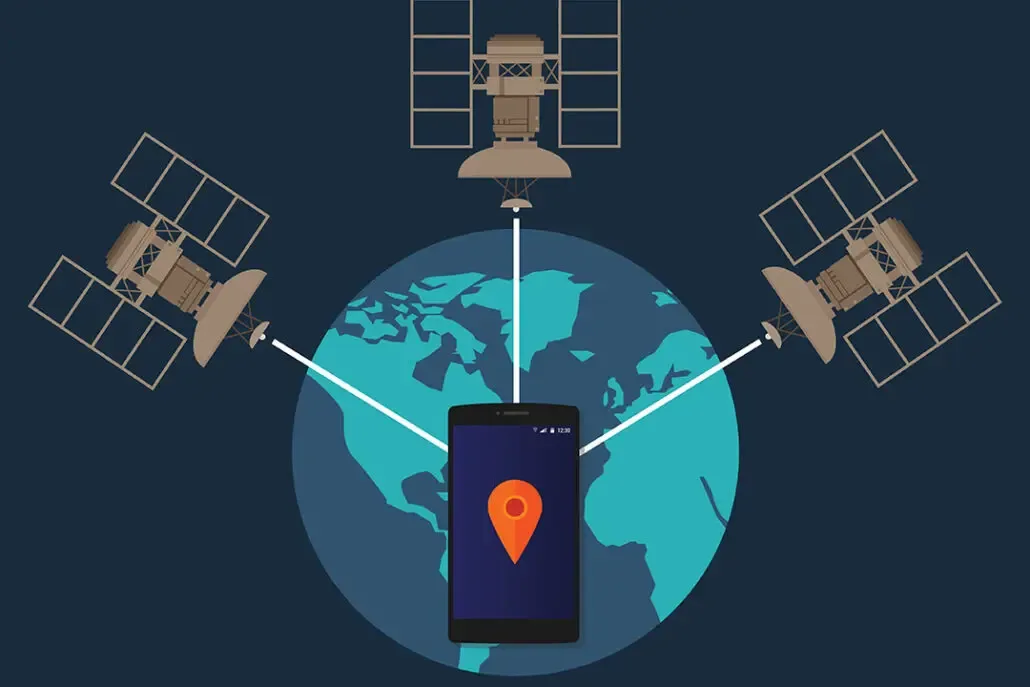
GPS relies on satellite signals, which can be easily obstructed by tall urban buildings, dense foliage, or even just a roof. This leads to the 'urban canyon' effect or 'GPS drift,' where your location can jump erratically or be off by several meters. For a game requiring you to find a virtual object at a precise spot or an interactive tour needing to highlight a specific architectural detail, this lack of accuracy is a serious drawback.
Furthermore, GPS struggles significantly indoors. Once you step into a building, a shopping mall, or a subway station, GPS signals are virtually non-existent. This immediately limits the scope of immersive AR experiences, confining them primarily to open outdoor areas where signals are clear and unobstructed.
How GPS Limits Immersive AR
Lack of Precision: GPS can be off by several meters, insufficient for accurate AR object placement.
Signal Obstruction: Tall buildings, dense foliage, and roofs interrupt satellite signals.
Indoor Limitations: GPS signals are virtually absent indoors, restricting AR in indoor environments.
Latency: Processing GPS data can cause delays, affecting real-time AR interaction.
Introducing VPS Tracking: The New Era of Geospatial AR
This is where Visual Positioning Systems (VPS) come into play, offering a groundbreaking solution for ultra-accurate AR positioning. Unlike GPS, which relies on satellite signals, VPS uses computer vision and on-device sensors to understand its surroundings. It works by comparing real-time camera feeds from the device with a pre-existing 3D map of the physical world.
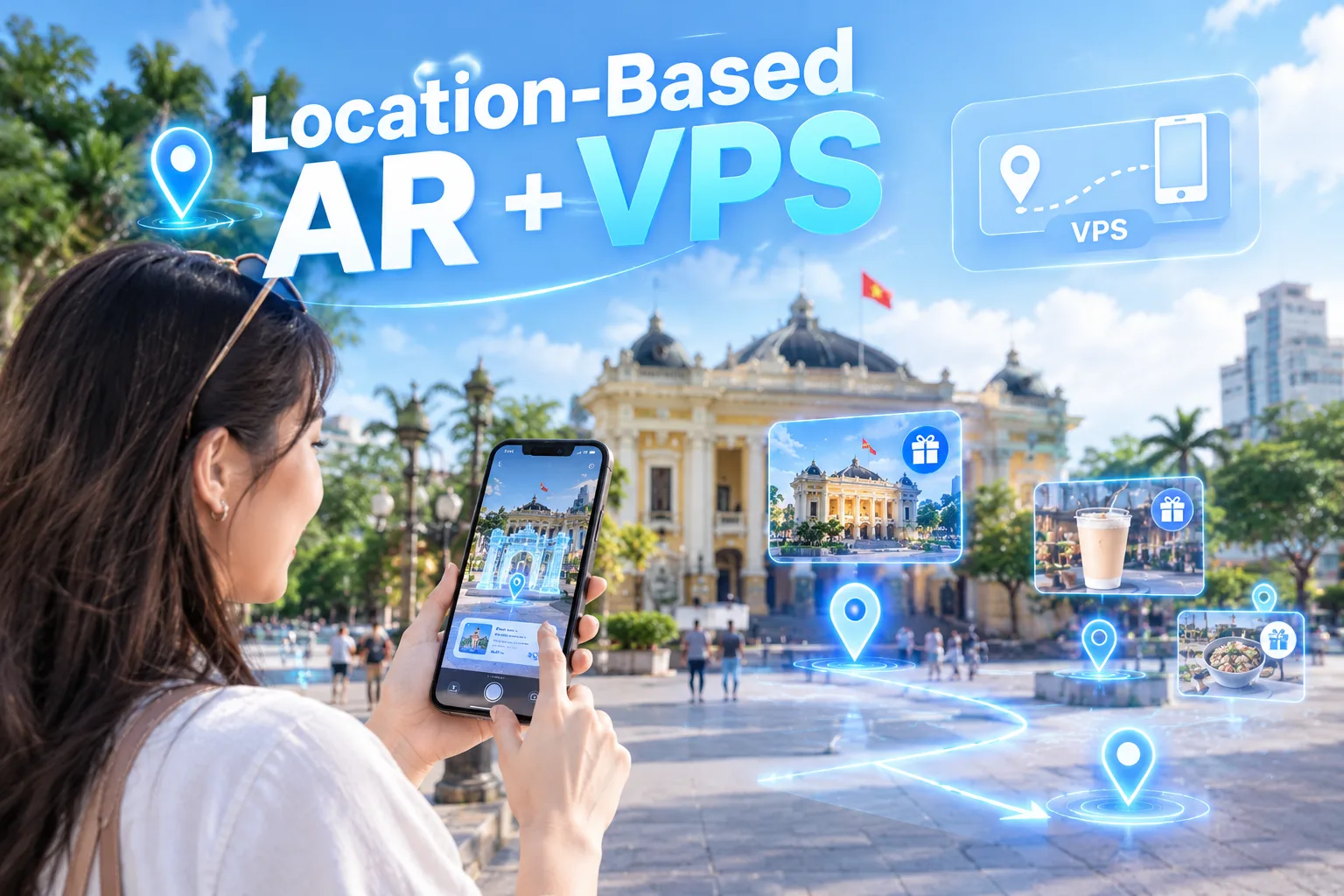
Imagine a digital twin of an entire neighborhood or a specific indoor space, meticulously mapped with visual data. When an AR-enabled device, like a smartphone, scans its environment, VPS algorithms analyze visual features (e.g., corners, textures, landmarks) and match them against this detailed 3D map. This process allows the device to precisely determine its position and orientation with unprecedented accuracy, often down to a few centimeters.
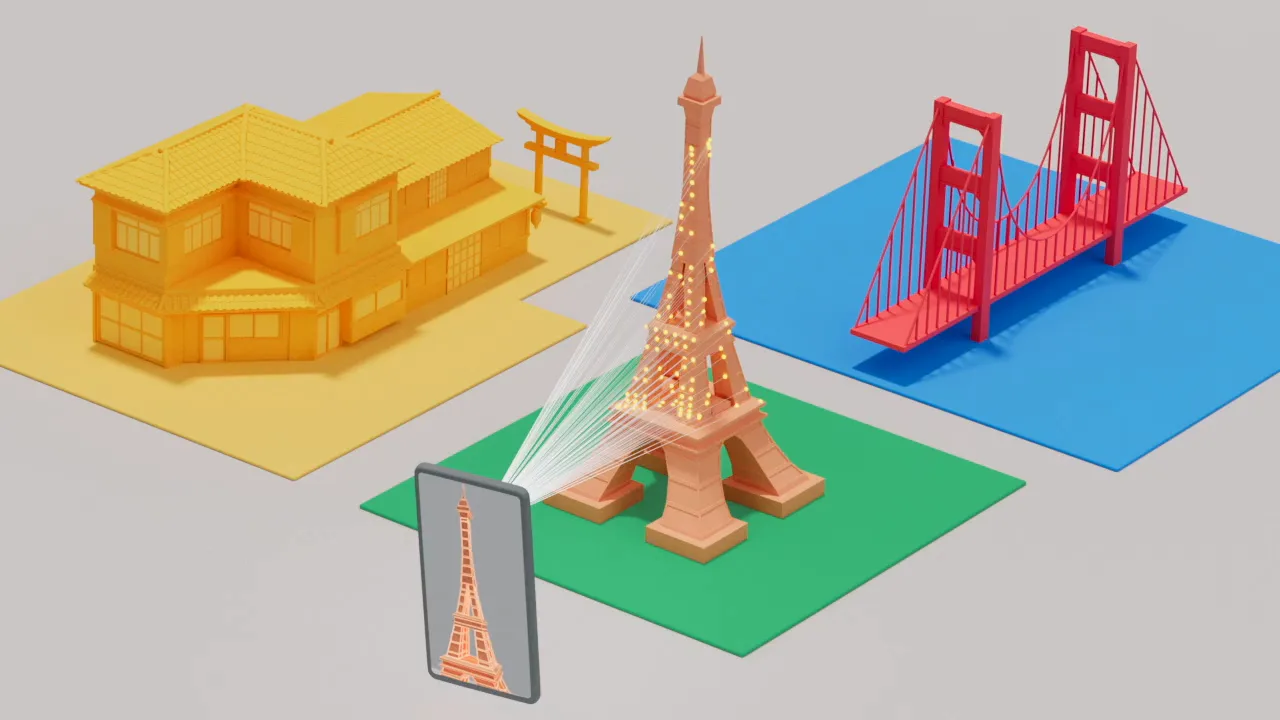
How Visual Positioning Systems Achieve Millimeter-Level Accuracy
VPS leverages a combination of advanced technologies:
Computer Vision: Identifies and tracks distinct visual features within the environment.
Sensor Fusion: Integrates data from various on-device sensors (accelerometer, gyroscope, compass) to enhance stability and accuracy.
3D Mapping: Utilizes extensive 3D models of real-world locations, generated through techniques like photogrammetry or LiDAR scanning.
SLAM (Simultaneous Localization and Mapping): Continuously builds and refines its understanding of the environment while tracking its own position within it.

Key Benefits of VPS over GPS in AR Applications
The shift from GPS to VPS tracking unlocks a world of possibilities for augmented reality experiences. Its superior accuracy and reliability in diverse environments make it ideal for the next generation of immersive applications.
Centimeter-Level Accuracy: Enables precise placement of AR objects, crucial for interactive games, detailed navigation, and virtual try-ons.
Indoor & Outdoor Capability: Operates seamlessly both outdoors and indoors, expanding the potential for AR experiences in shopping malls, museums, and public spaces.
Robustness: Less affected by environmental obstructions like tall buildings or signal interference.
Persistent AR Experiences: Allows AR content to be anchored to real-world locations and persist over time for multiple users.
Enhanced Immersion: Precise alignment between the digital and physical worlds creates a more believable and engaging augmented reality.
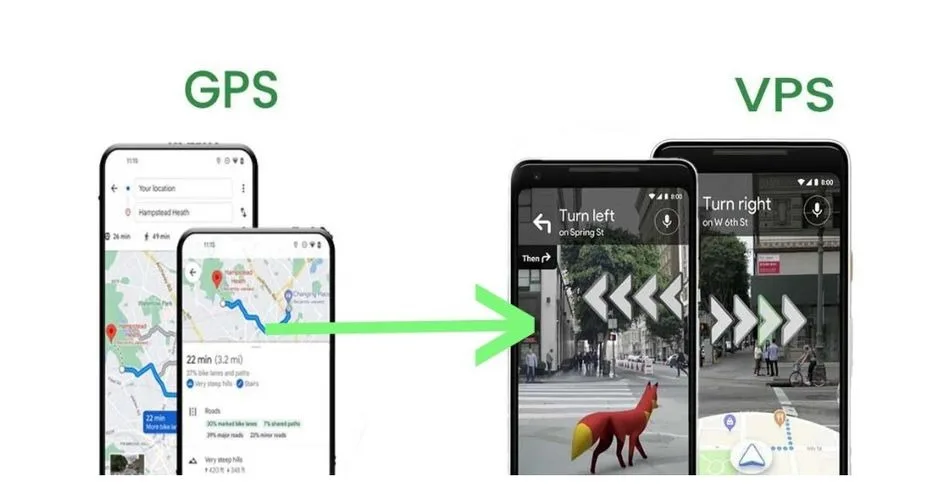
Enabling Unprecedented Real-World AR Experiences
With VPS, brands and developers can create truly groundbreaking applications. Imagine navigating a complex airport with AR directions overlaid directly onto your path, or experiencing a historical event unfolding right before your eyes in a city square. The possibilities are endless, limited only by imagination.
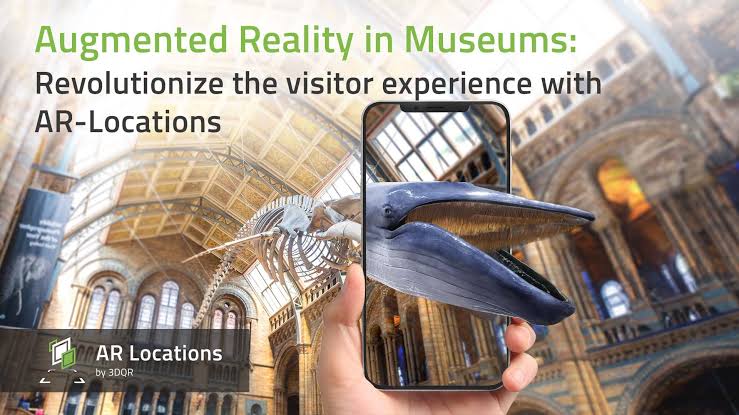
Practical Applications and the Future of Location-Based AR
VPS tracking is not just a theoretical concept; it is already powering innovative AR experiences across various industries. From gaming to retail, education to tourism, its impact is undeniable.
Interactive Gaming: Imagine Pokémon Go-like games where creatures are precisely positioned on specific park benches or street corners.
Hyperlocal Advertising: Brands can place virtual billboards or product displays that appear only when users are in a specific physical location.
Indoor Navigation & Tours: Guide visitors through museums, airports, or large retail stores with interactive AR overlays.
Cultural & Educational Experiences: Bring historical sites to life with 3D reconstructions and interactive information displayed directly at the location.
Urban Planning & Design: Visualize future constructions or infrastructure changes directly within their real-world environment.
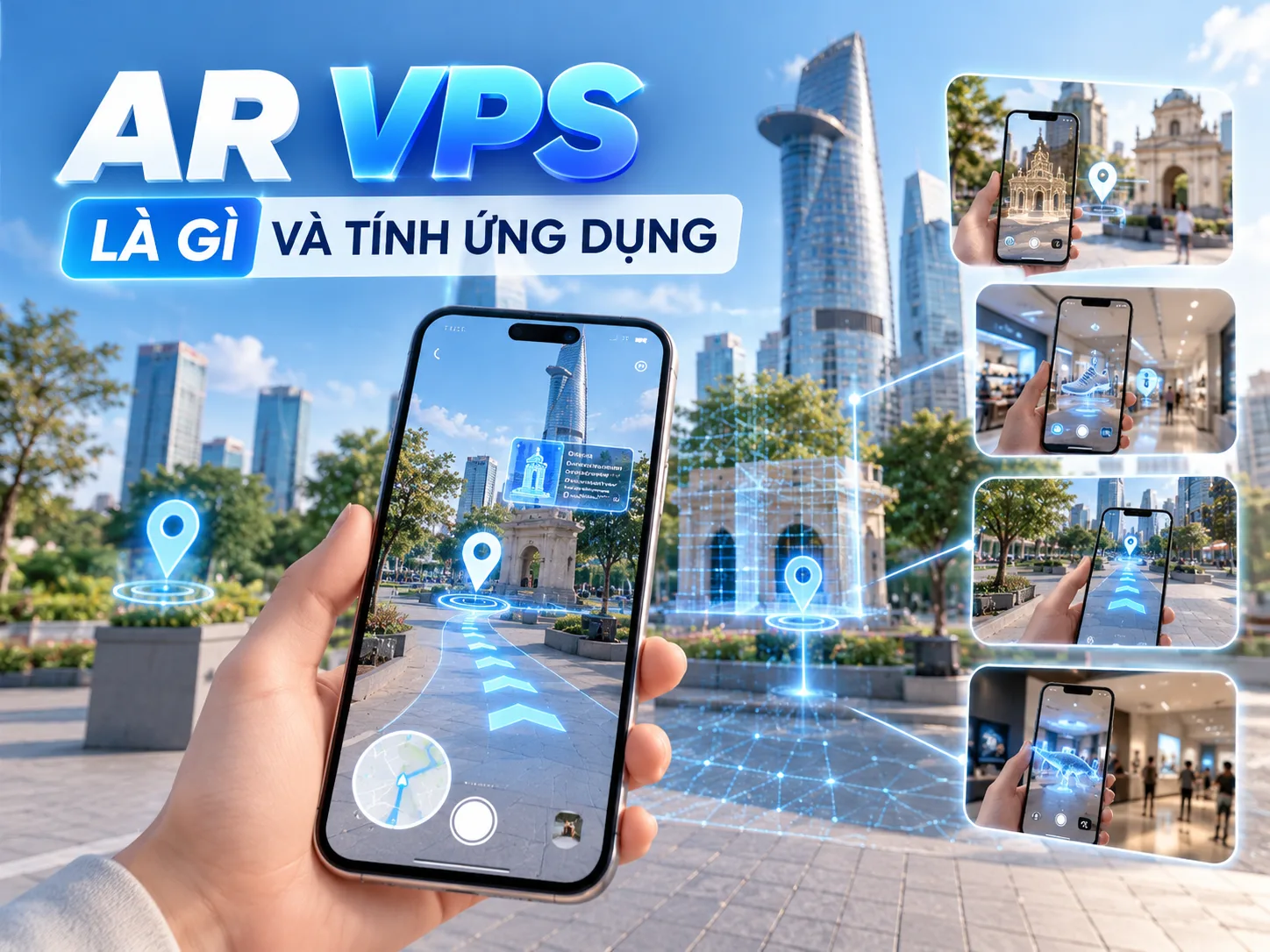
As VPS technology continues to evolve, supported by expanding 3D maps and more powerful mobile devices, its role in shaping the future of augmented reality will only grow. It promises to transform how we interact with our environment, blending digital and physical realms into a seamless, intelligent layer of information and entertainment. At Marvy Co., we are at the forefront of leveraging these advanced technologies to create truly impactful and engaging innovative tech solutions.