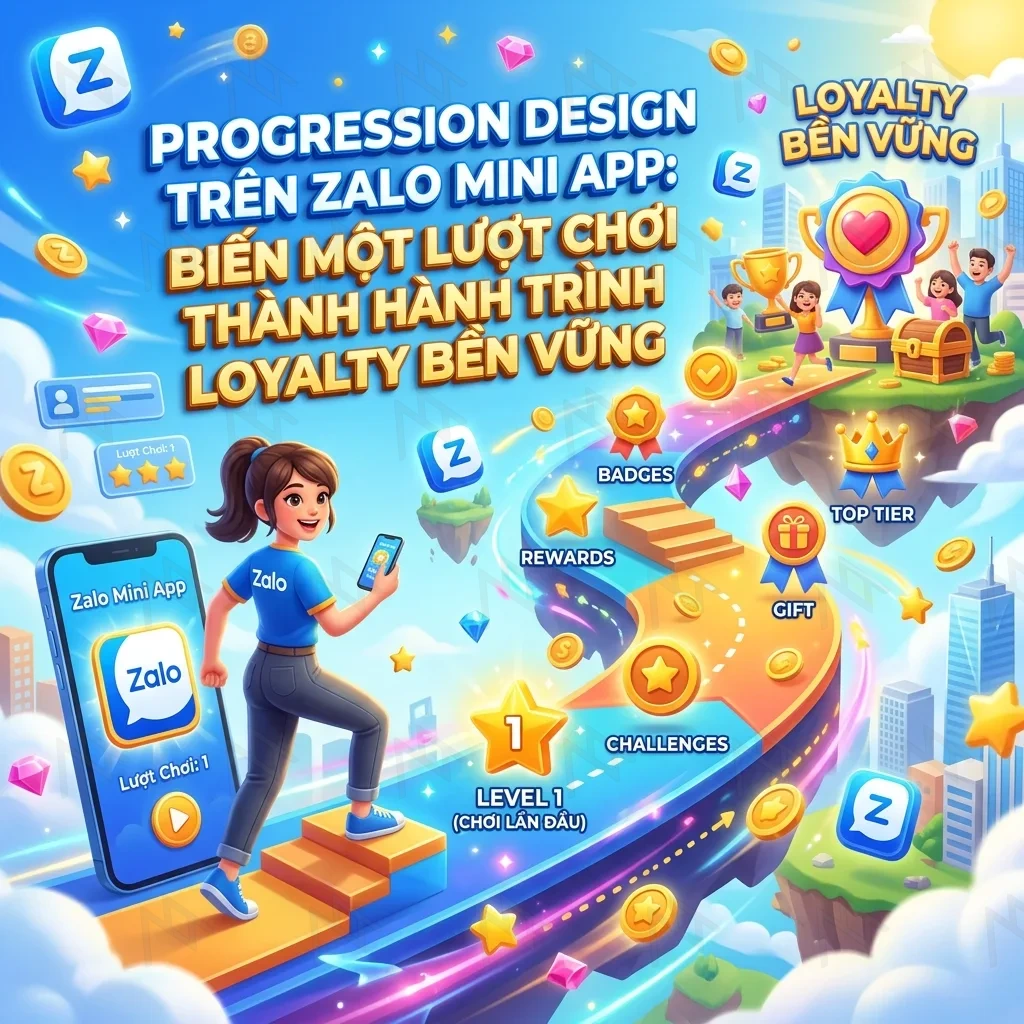

















Introduction
In Vietnam's vibrant digital ecosystem, Zalo Mini App has become an indispensable platform for brands to connect with their audience. Beyond fleeting interactions, the real challenge lies in fostering sustainable loyalty.
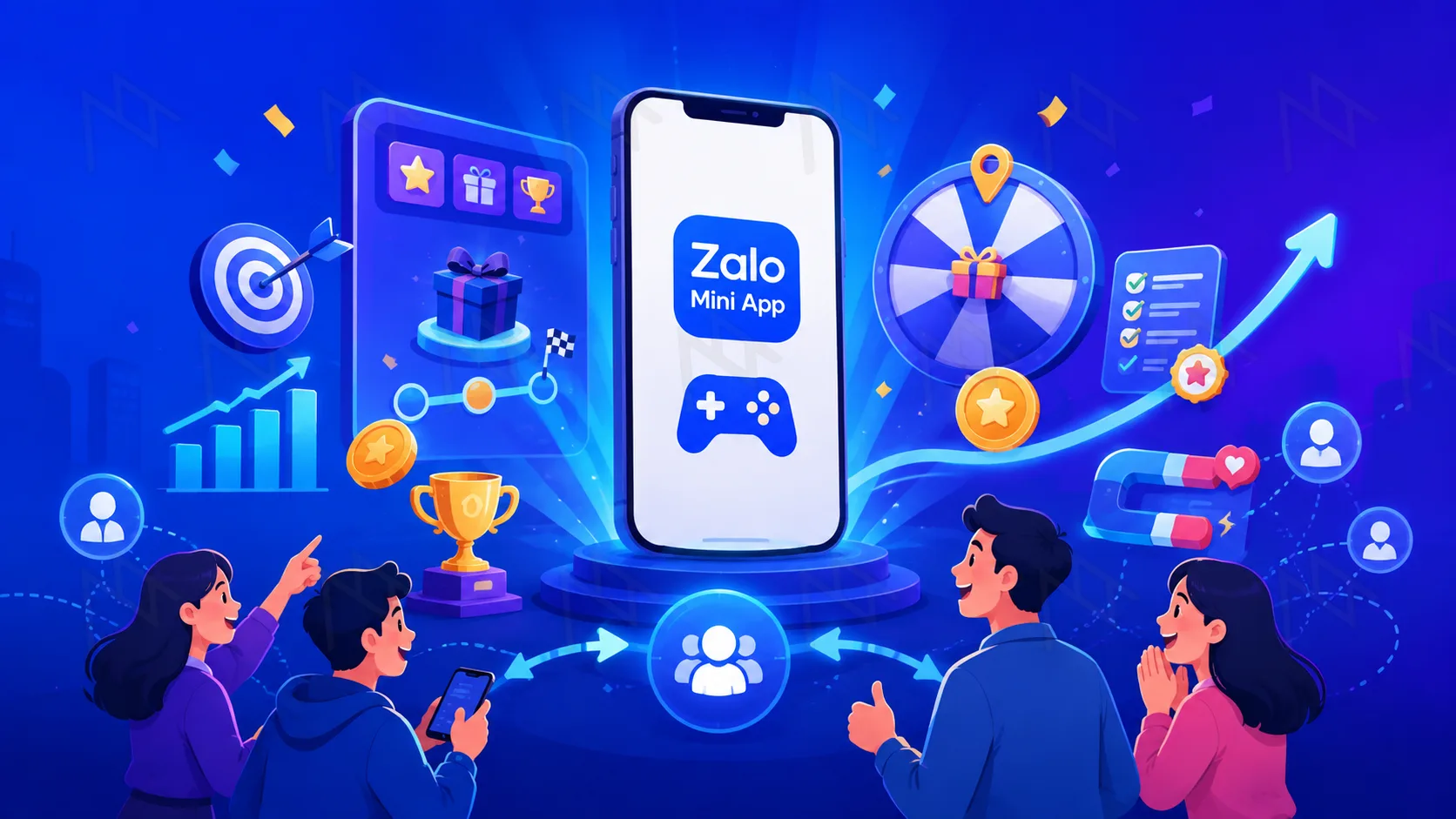
This is where Progression Design – a strategic approach within Gamification – transforms a single user interaction into a captivating journey, guiding customers towards deeper engagement and unwavering brand advocacy. Marvy Co. specializes in crafting these intricate journeys on Zalo Mini App, ensuring every tap and swipe contributes to a meaningful relationship.
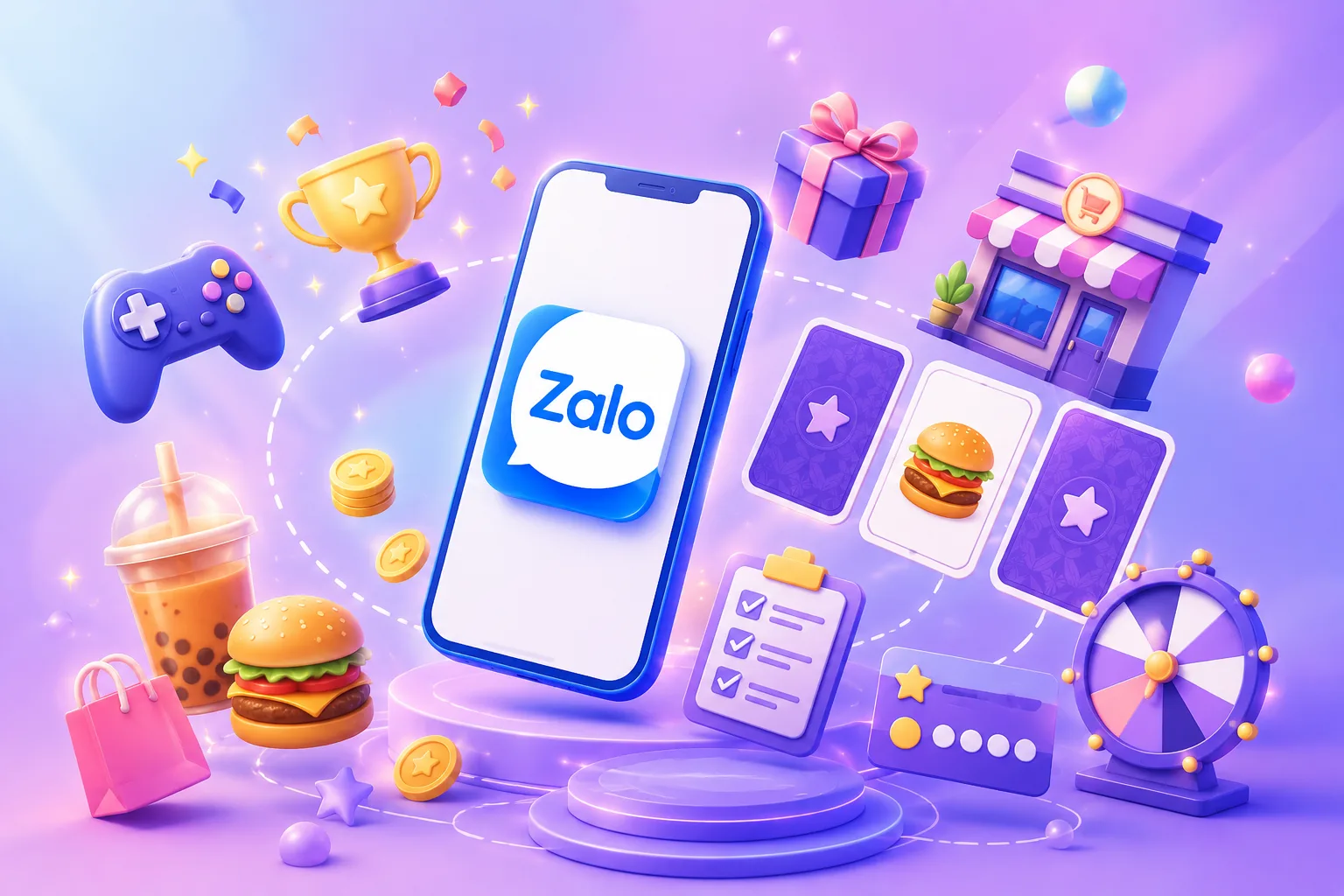
Understanding Progression Design on Zalo Mini App isn't just about adding a game; it's about engineering a series of meaningful steps that reward continuous engagement, turning casual users into loyal customers. It's more than a standalone campaign; it's about building an ecosystem of loyalty.
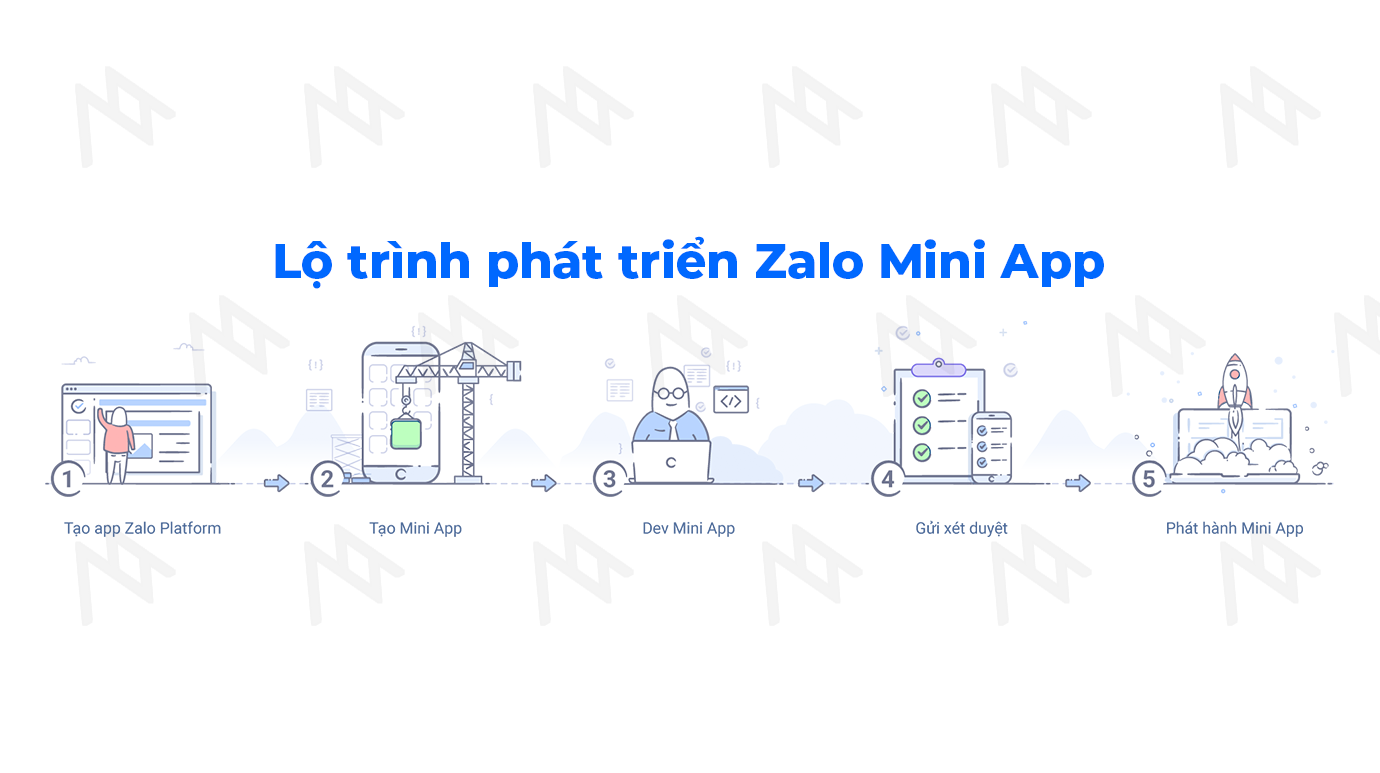
What is Progression Design and Why is it Crucial for Loyalty?
Progression Design refers to the intentional structuring of user experiences into a linked series of steps, challenges, and rewards. Each step builds upon the last, providing a sense of achievement and motivating users to continue their journey. In the context of loyalty, this design philosophy is paramount:
Sustained Engagement: It keeps users returning repeatedly, not just for initial novelty, but for the anticipation of what comes next.
Deeper Investment: As users invest time and effort, their psychological connection to the brand strengthens.
Behavioral Nudging: It subtly guides users towards desired actions, such as repeat purchases, content sharing, or new product exploration.
Measurable Growth: Each stage of progression provides valuable data points for analysis, allowing brands to optimize their loyalty programs.
On Zalo Mini App, with its deep integration into the daily lives of Vietnamese users, Progression Design finds a perfect playground. Brands can leverage the platform's features to create seamless, intuitive, and highly rewarding loyalty journeys.
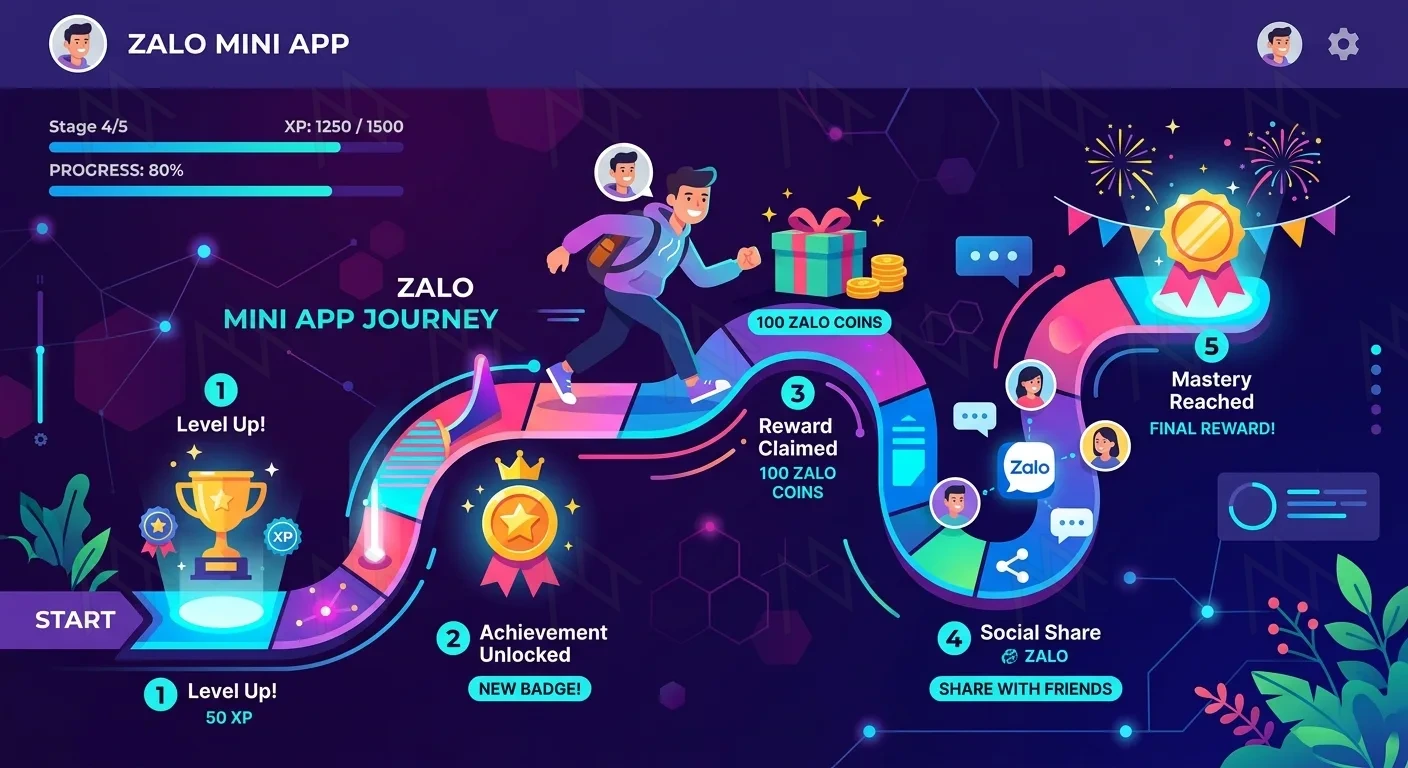
Key Elements of an Effective Progression Design Strategy
To successfully implement Progression Design on Zalo Mini App, several core elements must be meticulously integrated:
Clear Objectives and Reward Structure
Every step in the user's journey must have a clear purpose and a tangible reward. Whether it's a discount voucher, exclusive content, or collectible virtual items, the incentives must be compelling enough to drive continuous engagement. Rewards should progressively increase in value or exclusivity as users advance, reinforcing their commitment.

Sequential Challenges and Achievements
The journey should be broken down into manageable, yet progressively challenging tasks. These could range from making purchases, sharing content, inviting friends, or interacting with specific product information. Recognizing and celebrating achievements along the way, often through virtual badges or notifications, reinforces positive behavior.

Social Interaction and Sharing
Integrating social elements amplifies the impact of progression. Allowing users to share their achievements, compete with friends, or trade collectibles fosters a sense of community and virality. This peer-to-peer interaction not only enhances the user experience but also acts as a natural form of marketing for the brand.

Real-time Data and Personalization
A robust backend system (such as a CMS) that tracks user progress, preferences, and behavior in real time is crucial. This data enables personalized experiences, tailored recommendations, and dynamic adjustments to the loyalty program, making each user's journey unique and relevant.
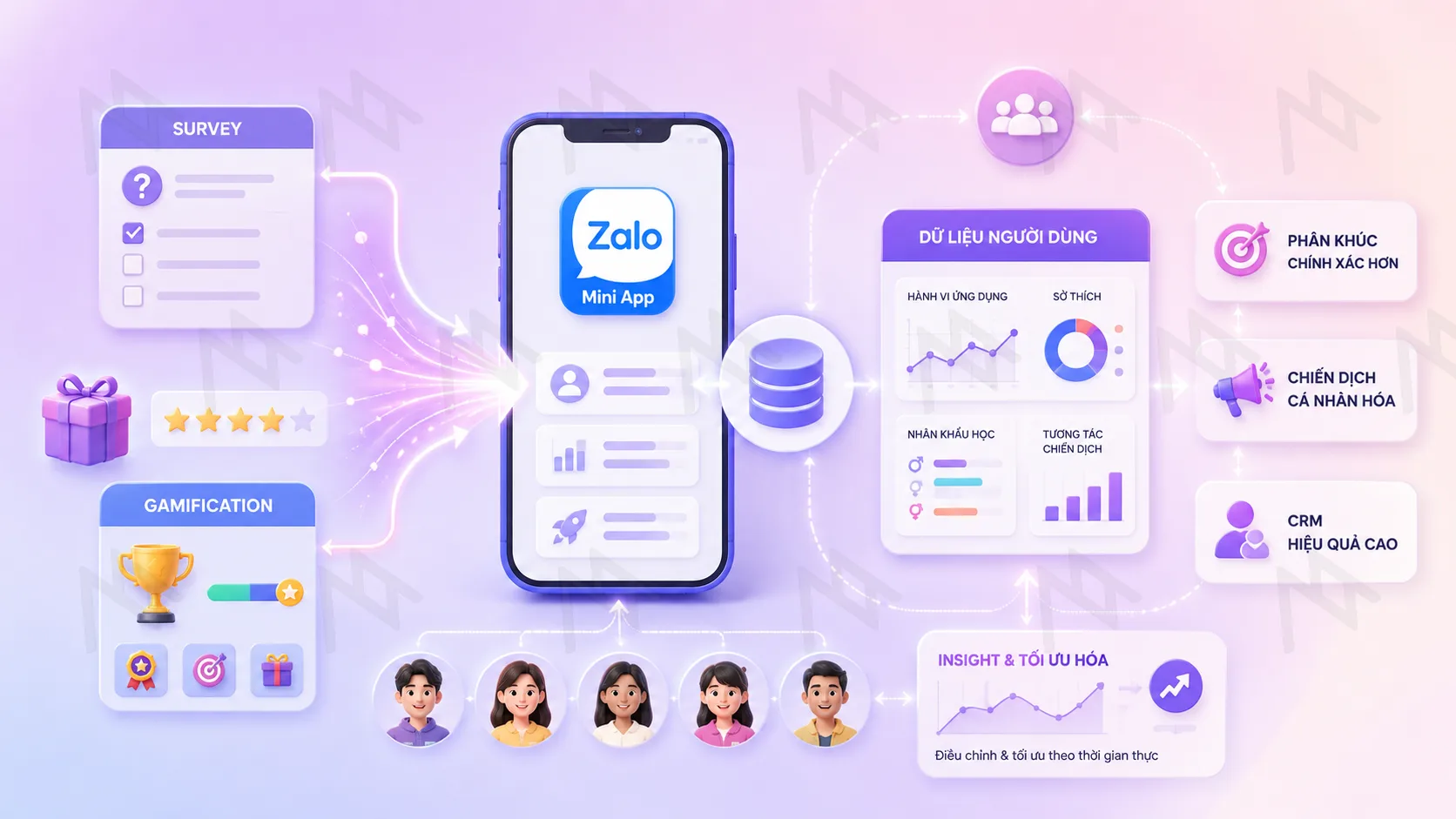
Marvy Co.'s Successful Zalo Mini App Progression Design Projects
Marvy Co. has partnered with leading brands to transform their Zalo Mini Apps into powerful loyalty-driving tools through innovative Gamification Progression Design.
Tetra Pak: Transforming Brand Knowledge into a Journey of Discovery and Conquest
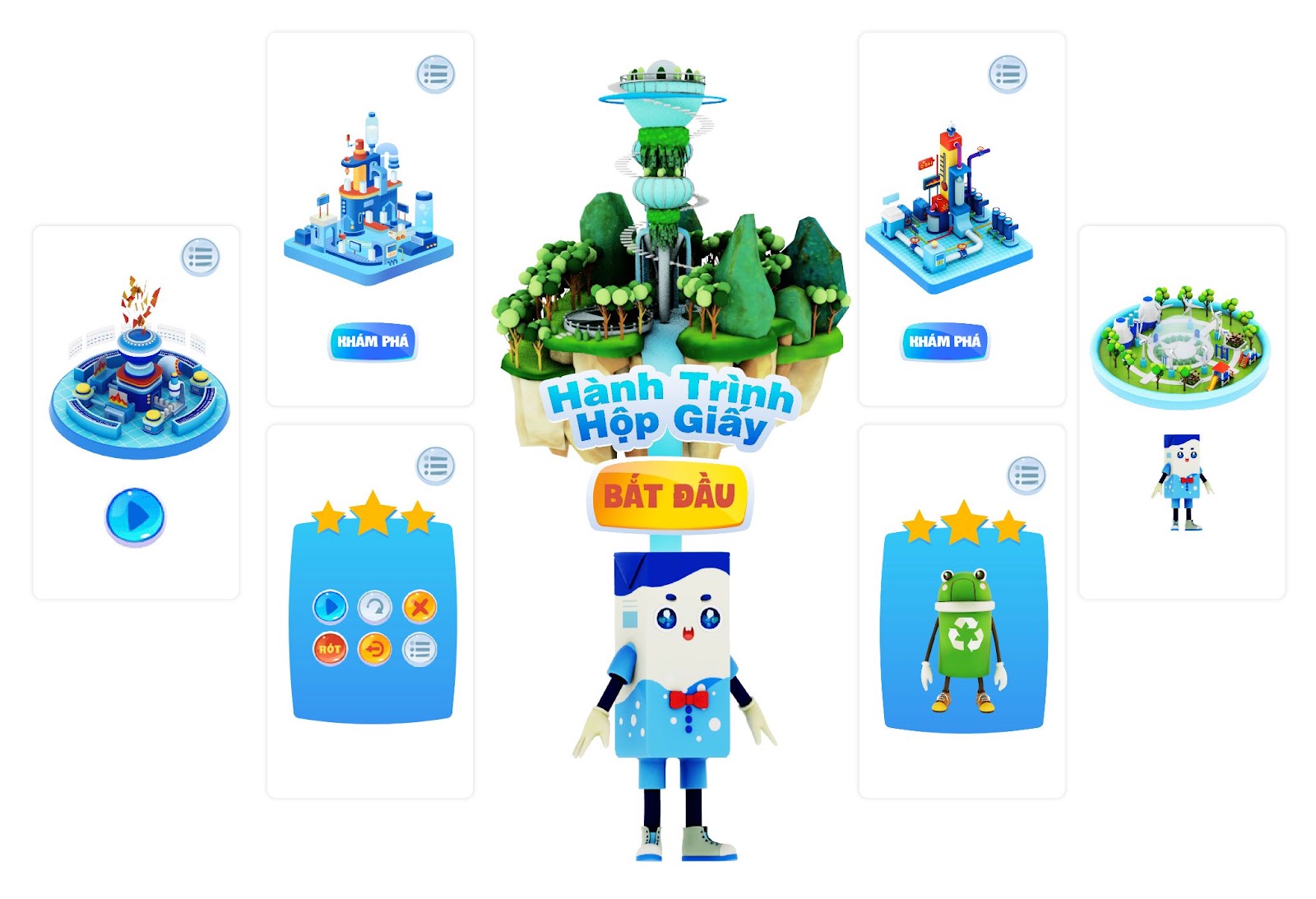
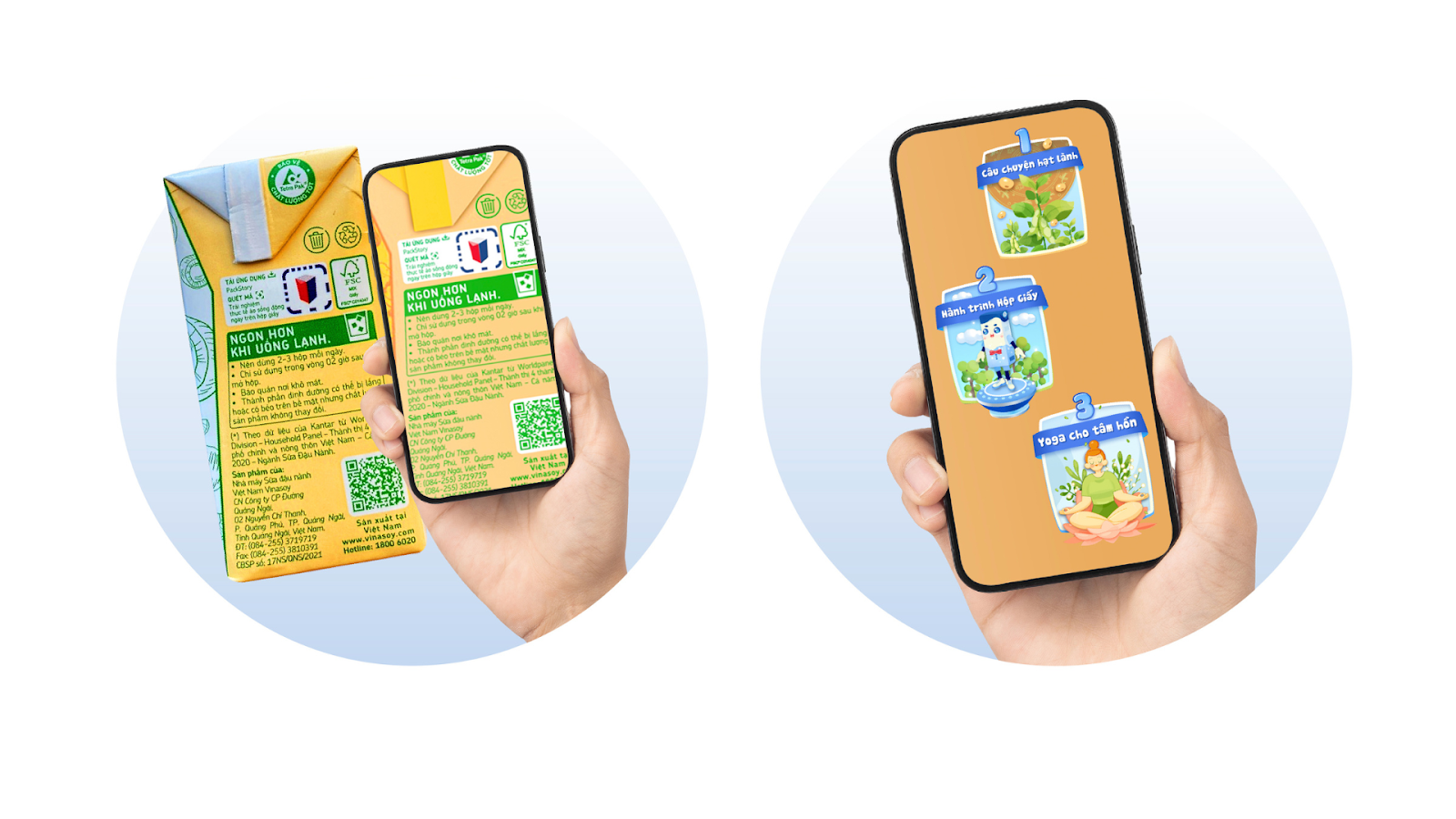
For Tetra Pak, Marvy Co. transformed a potentially dry topic like the production, packaging, and recycling process of paper cartons into a multi-layered interactive journey, where users continuously unlock new content and challenges. Users simply scan a QR code on a Fami milk carton to enter the “Paper Carton Journey” experience, exploring the lifecycle of a paper carton from raw material forests, manufacturing plants, milk packaging, to recycling.
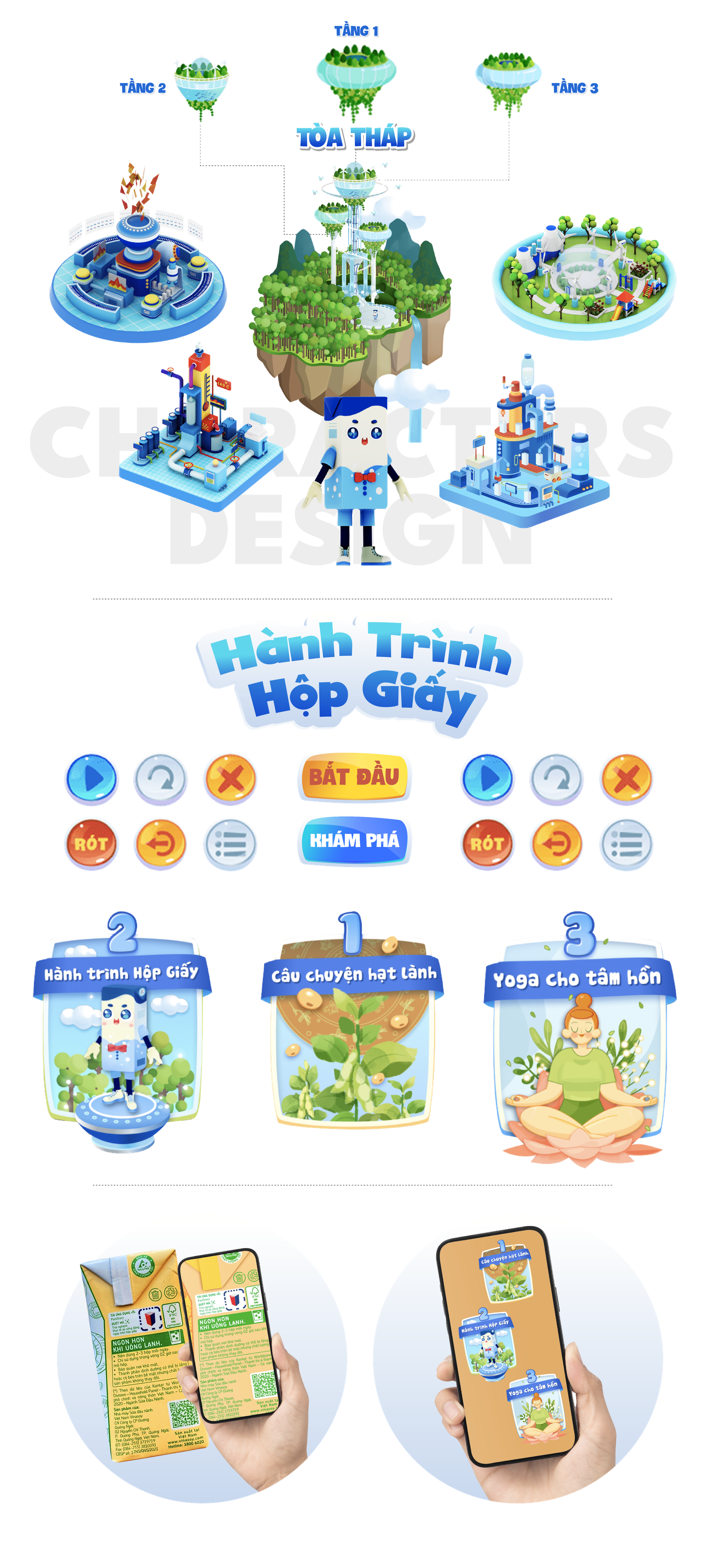
Instead of delivering all information at once, Marvy designed the progression in chapters and levels:
Explore the Forest: Users begin their journey in the forest that provides raw materials for paper cartons, revealing the product's origin story.
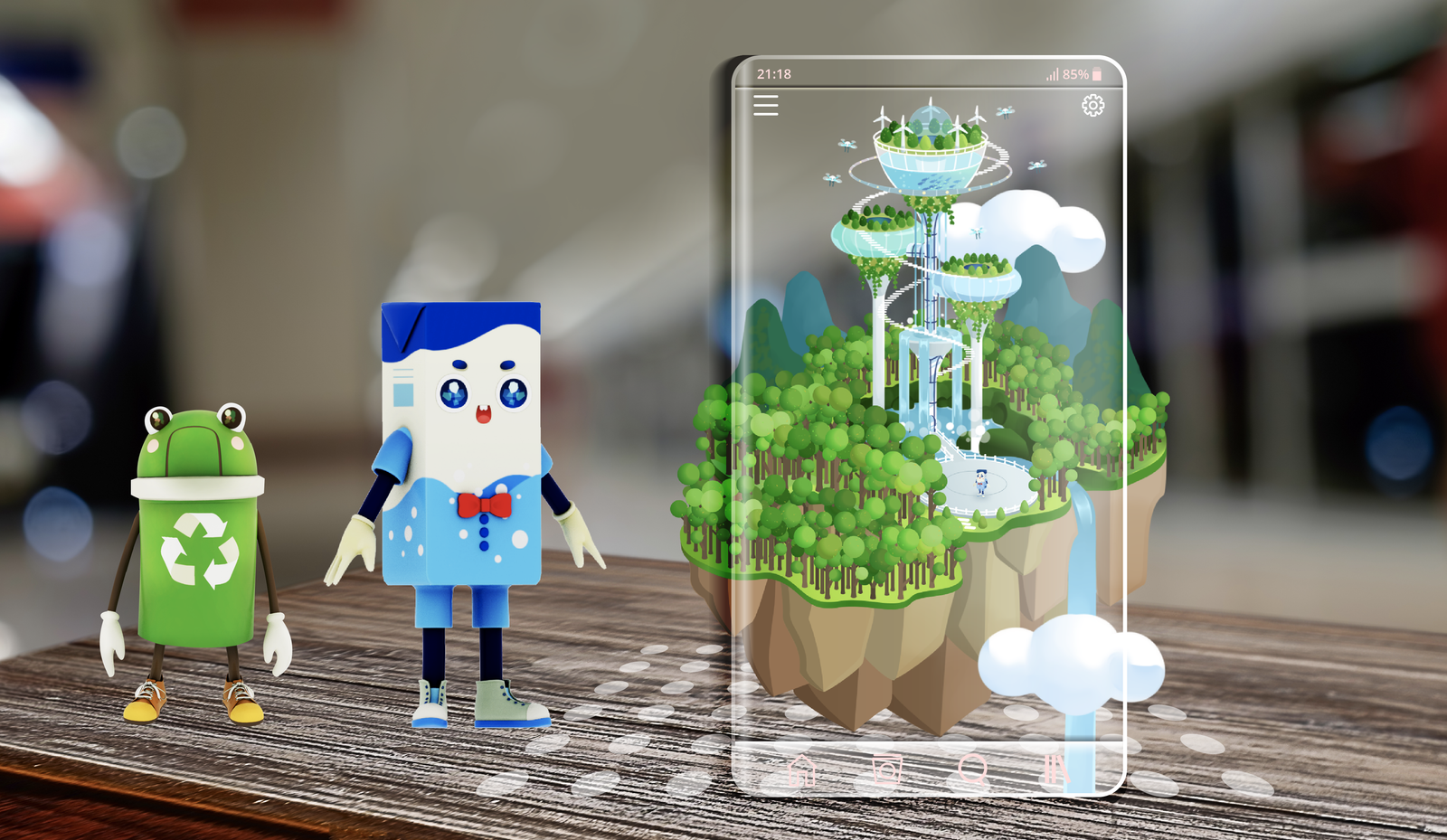
Conquer the Tower: Users proceed through each floor, with each floor representing a different stage in the product's lifecycle: paper carton factory → milk factory → green park and recycling plant.
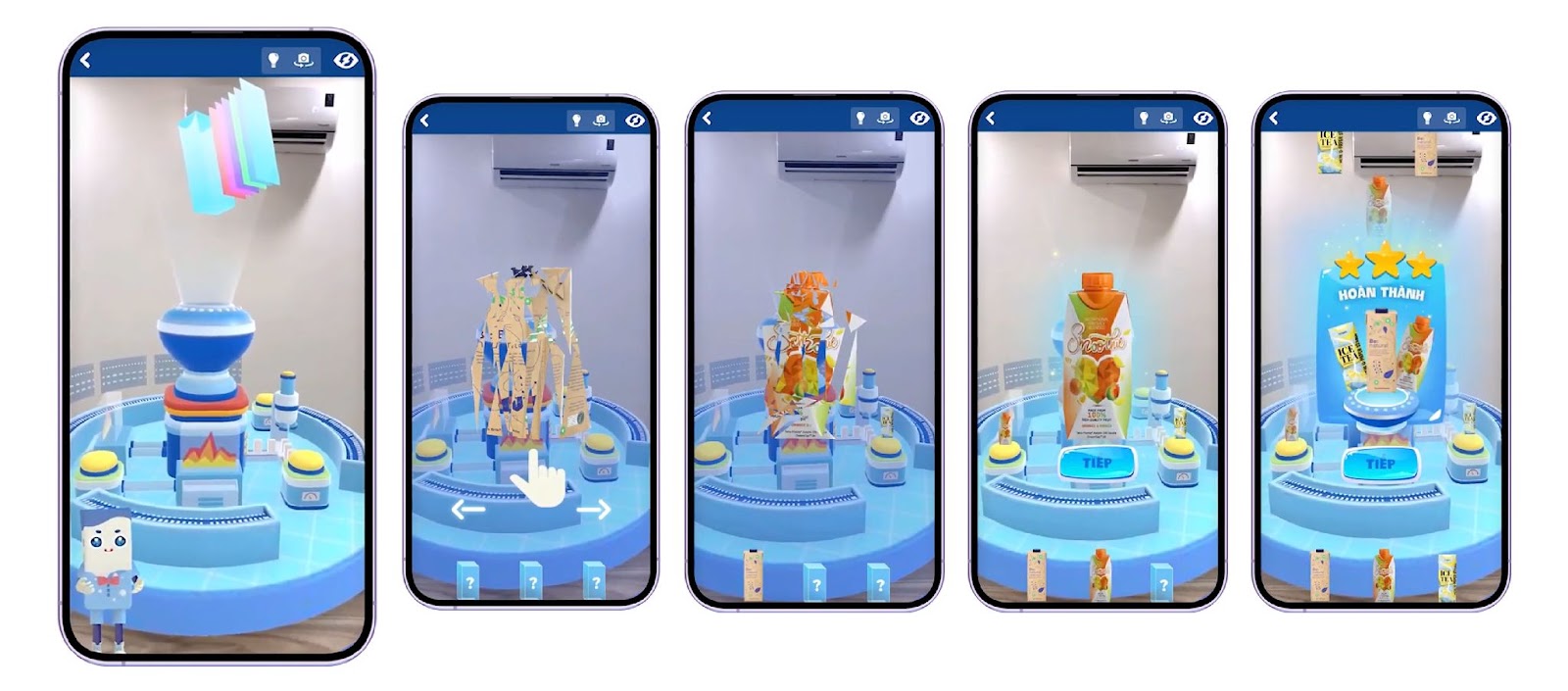
Complete Mini-games: In each area, knowledge is transformed into interactive challenges such as jigsaw puzzles, adjusting sterilization temperature to 140°C for 4 seconds, packaging 10 liters of milk into 10 cartons, and stacking paper cartons after use.
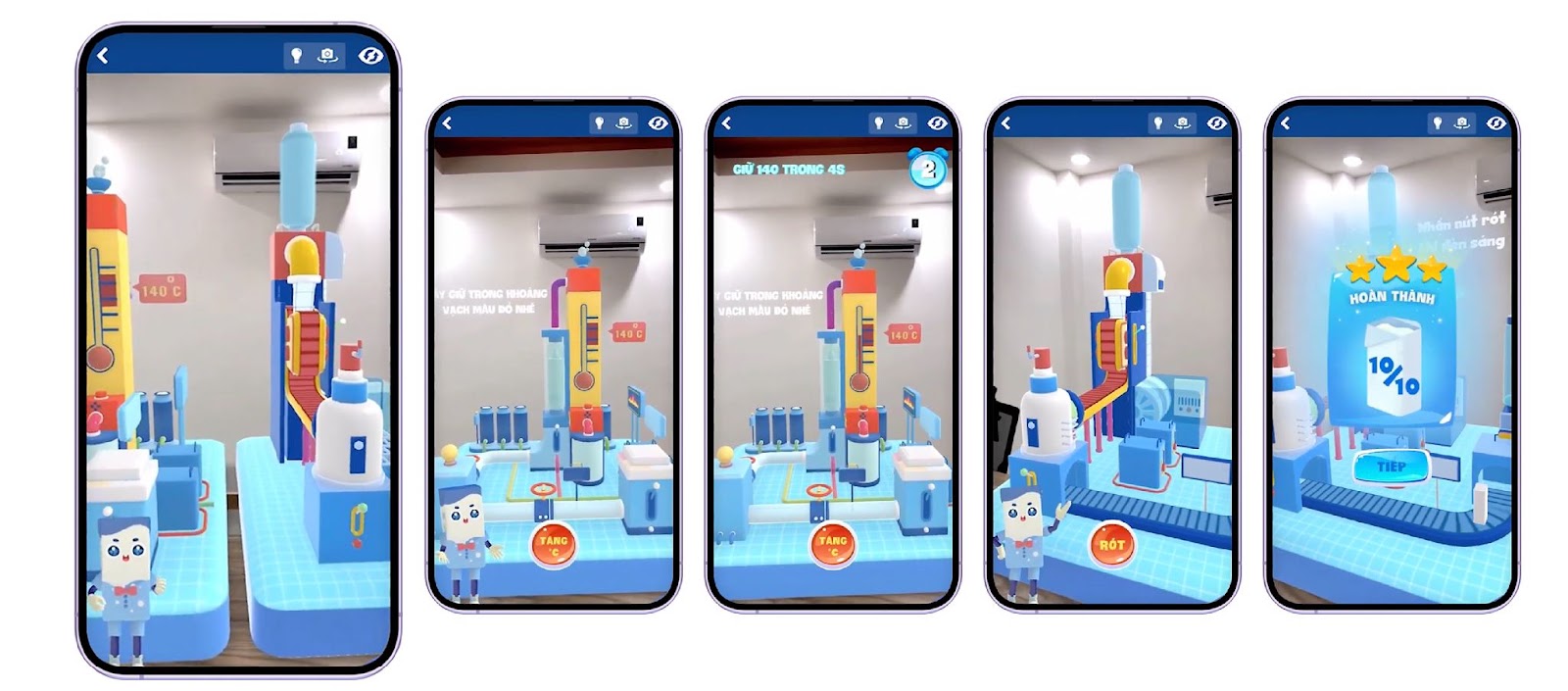
Unlock Next Knowledge: After completing each task, players are guided to new content about food safety, packaging disposal, and recycling.
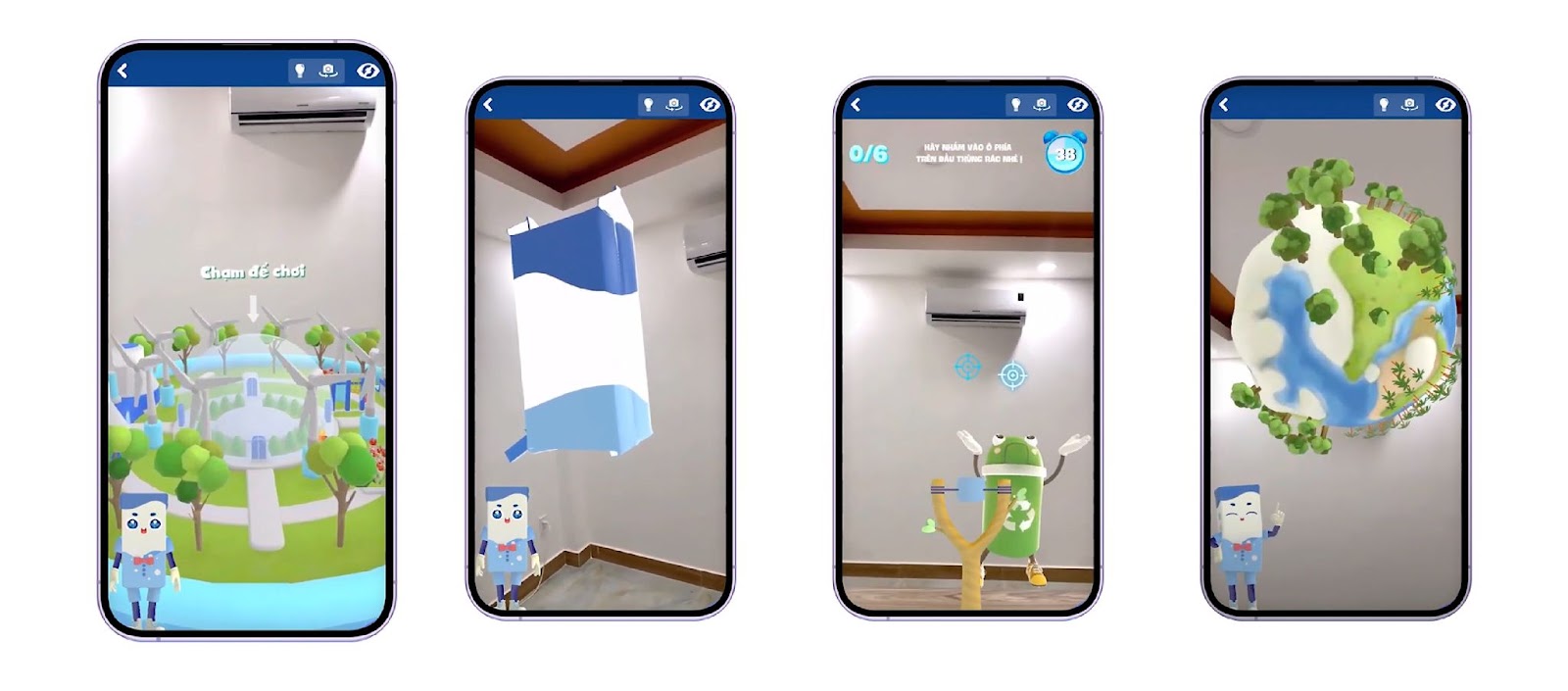
Progression Design here isn't merely about dividing a game into multiple stages. Each step forward is tied to a new piece of knowledge, motivating users to complete the entire journey to uncover the full story.
This is a prime example of how Gamification can turn Education into Entertainment: instead of “reading to know,” users play to discover and interact to remember. Simultaneously, the combination of storytelling, 3D, AR, and mini-games creates a seamless brand journey, helping users stay longer and interact more deeply with the message about a green lifestyle.
View case study: Paper Carton Journey with Tetra Pak x Marvy
PediaSure: Transforming Each Stroke into an Emotional "Evolution" Journey
With the "Growing Tall with Dreams" campaign, PediaSure and Marvy Co. elevated Progression Design by turning the user's creative product into the starting point of a journey.
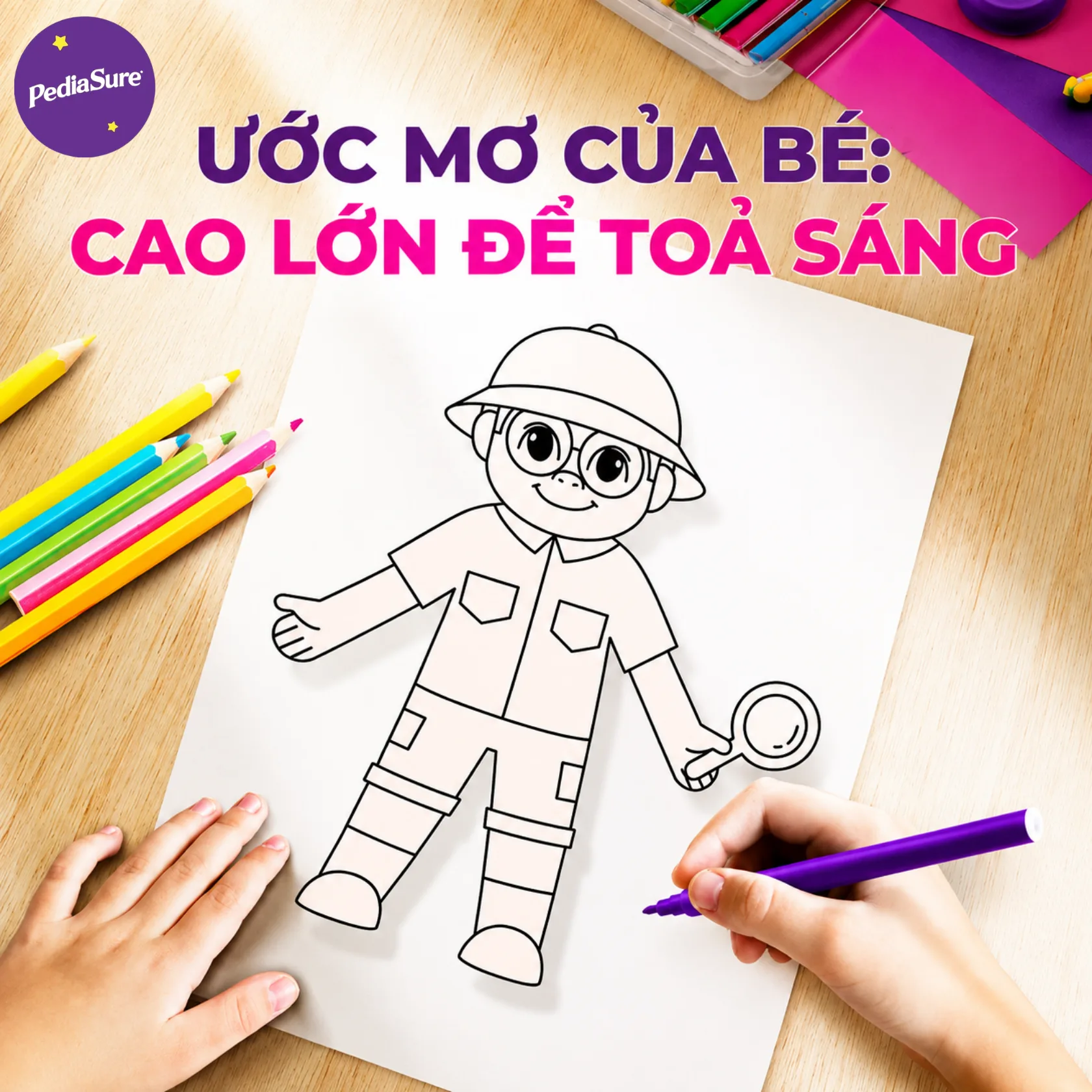
Instead of having users play a pre-made game, Marvy allowed children to begin by drawing or coloring their own character, then watch that character gradually transform into a lively animated figure through AI. The AI technology developed by Marvy is capable of recognizing skeletal structures and automatically applying motion to drawings.
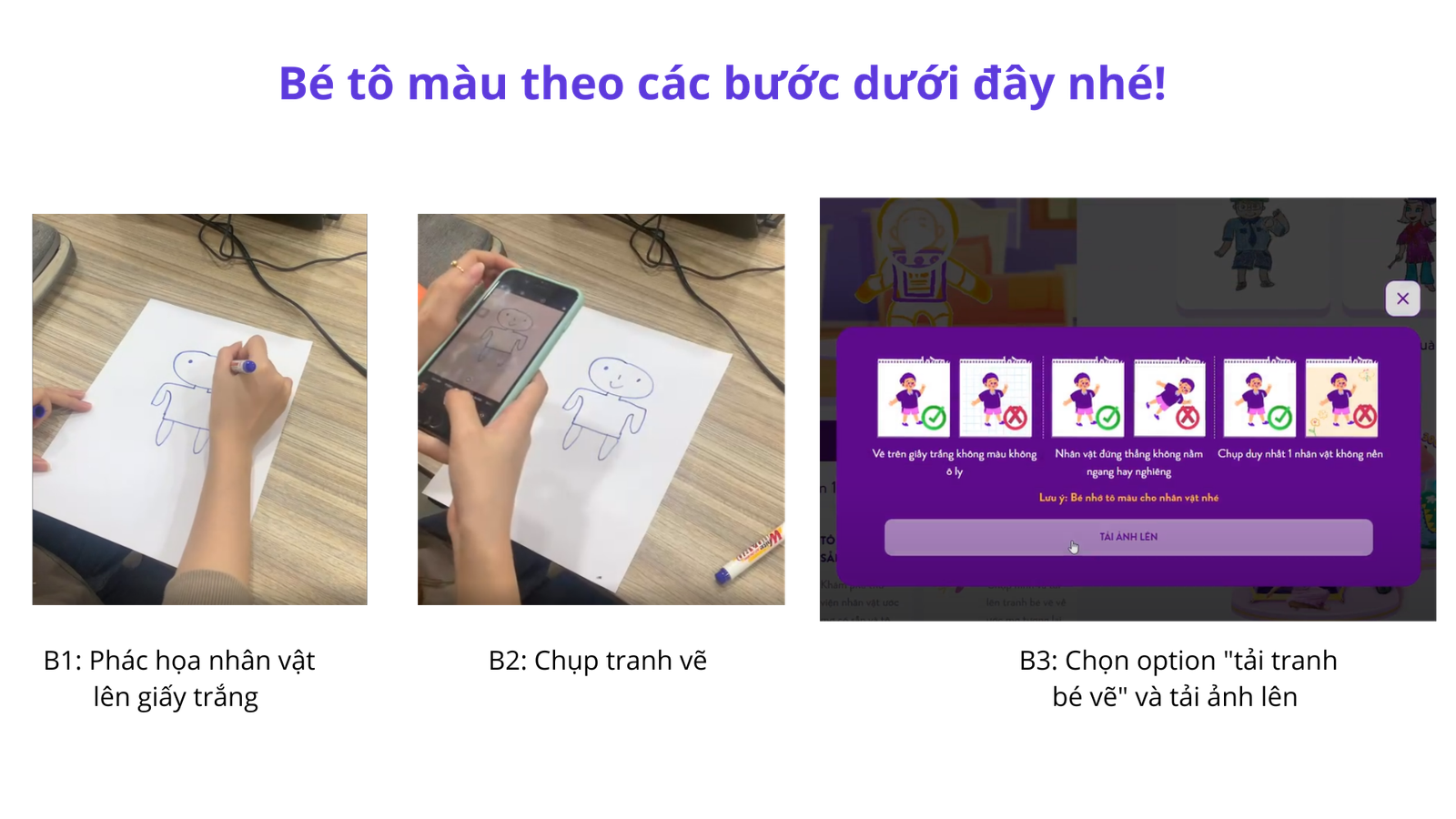
The progression journey was structured into clear steps:
Create: The child draws their character on paper or chooses an existing template to color.
Build: The AI system recognizes the character, and the user adjusts the skeletal structure to fit the drawing.
Animate: The "bone-rigging" AI technology transforms the static image into a moving character, creating a surprising and delightful moment for the player.
Complete: The final product becomes a lively character that can dance and move according to programmed animations.
Share & Reward: Participants submit their creations to enter challenges and have the chance to receive weekly rewards.
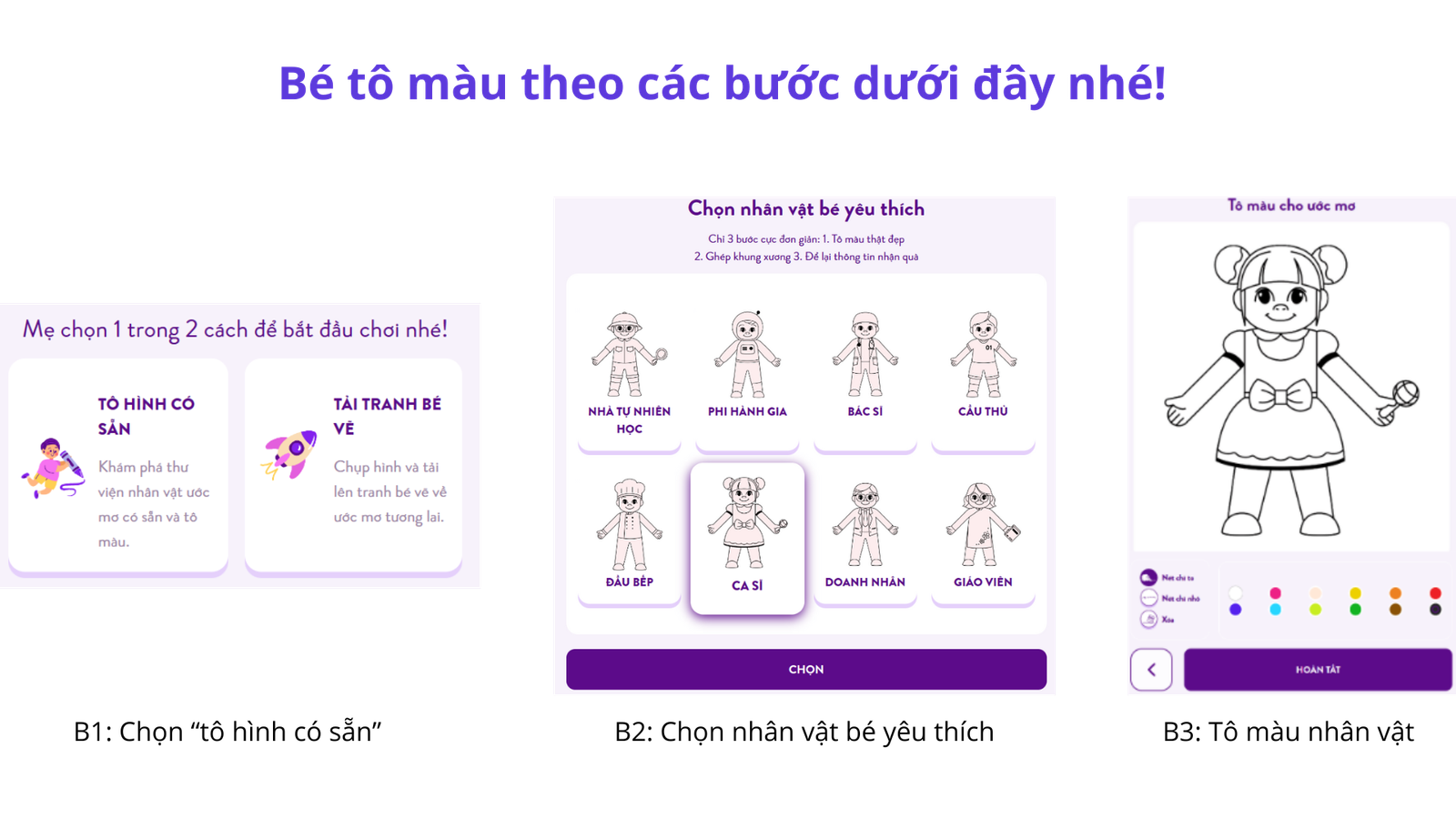
The special aspect of Progression Design in this case lies in the feeling of “increasing achievement.” Players start with a simple drawing, but through each interactive step, the final product becomes a living, animated character. This very transformation creates a natural reward loop: Create → Customize → Transform → Share → Reward.
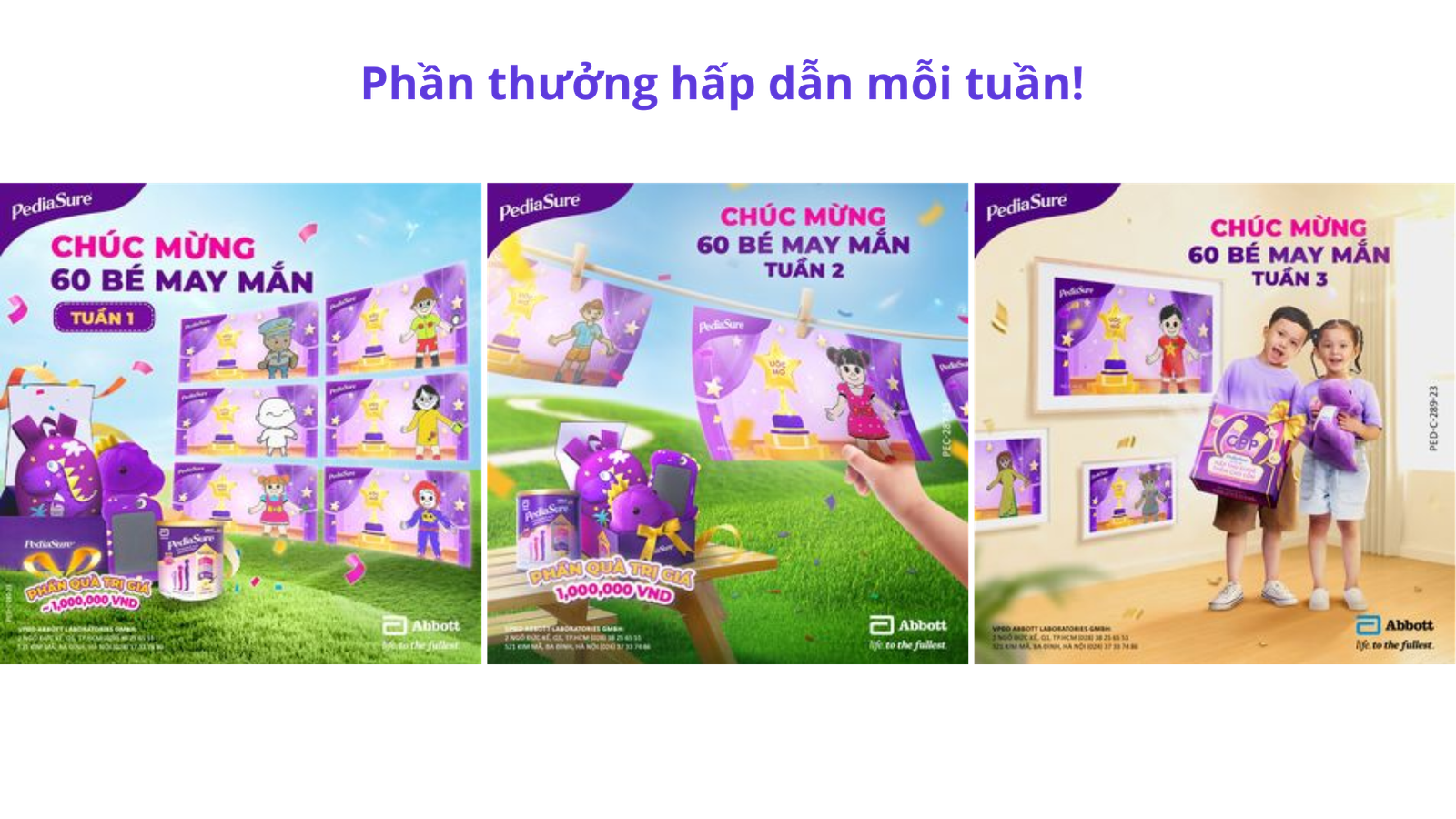
The campaign generated 200,000 website visits, 50,000 likes, 8,000 comments, and 5,000 shares; in the first week alone, hundreds of entries were submitted to the fanpage.

The PediaSure case demonstrates that Progression Design doesn't necessarily have to be built with a level or scoring system. Progression can come from the transformation of the content users create themselves — each interaction step makes the final product more complete, engaging, and valuable.
View case study: PediaSure Bone-Connected AI x Marvy
Hồng Trà Ngô Gia: Turning Every Purchase into a Collection Journey
For Hồng Trà Ngô Gia, Marvy Co. built an engaging Blind Box Puzzle Collection campaign on their Zalo Mini App storefront.

This strategy redefined the transactional relationship, transforming every order into an exciting opportunity for discovery and collection.
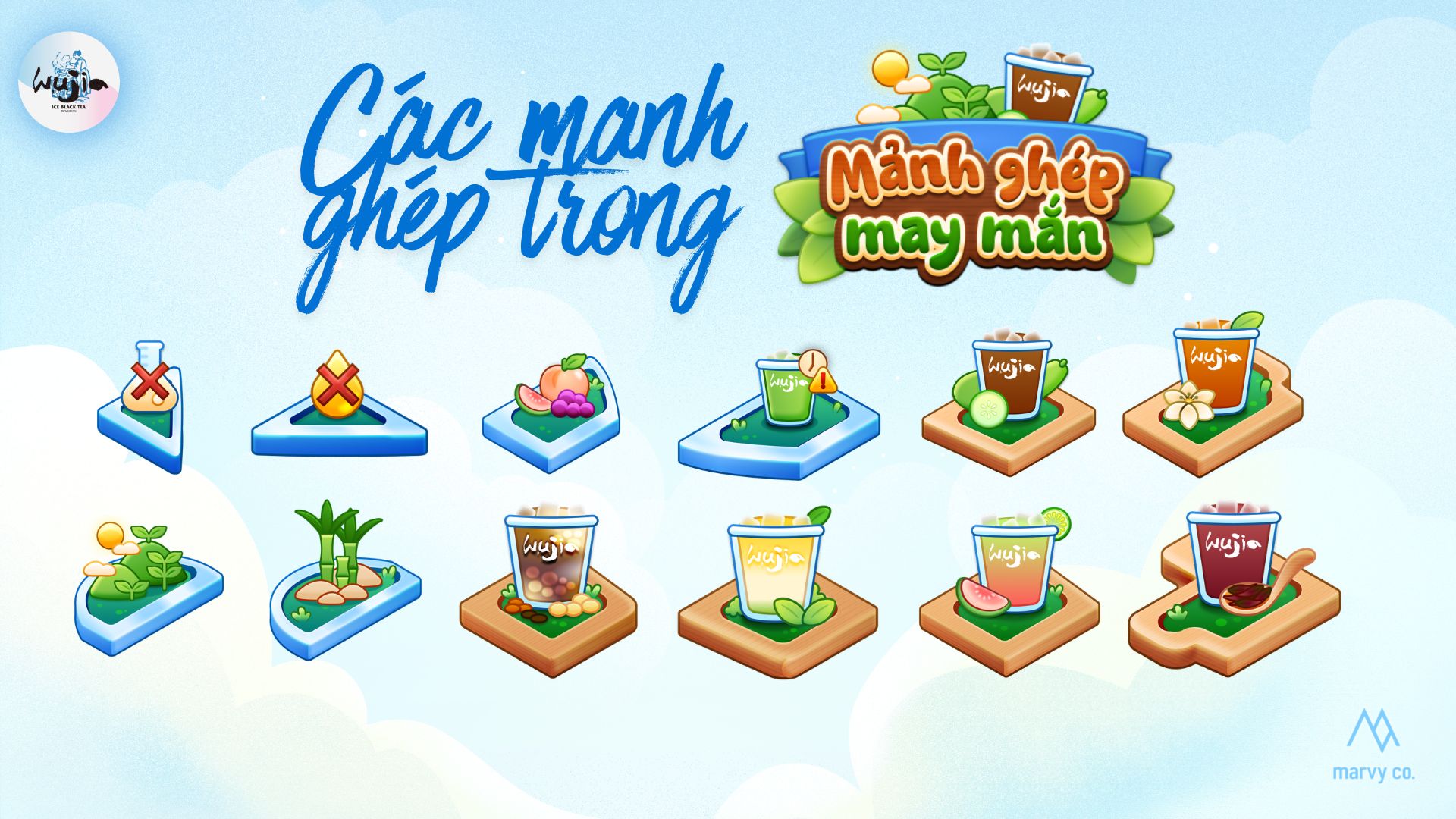

After purchasing a drink, users receive a chance to open a blind box to collect puzzle pieces or random vouchers. The puzzle pieces, divided into various brand-themed collections, can be shared and exchanged with friends, accelerating the completion of collections to redeem valuable rewards.
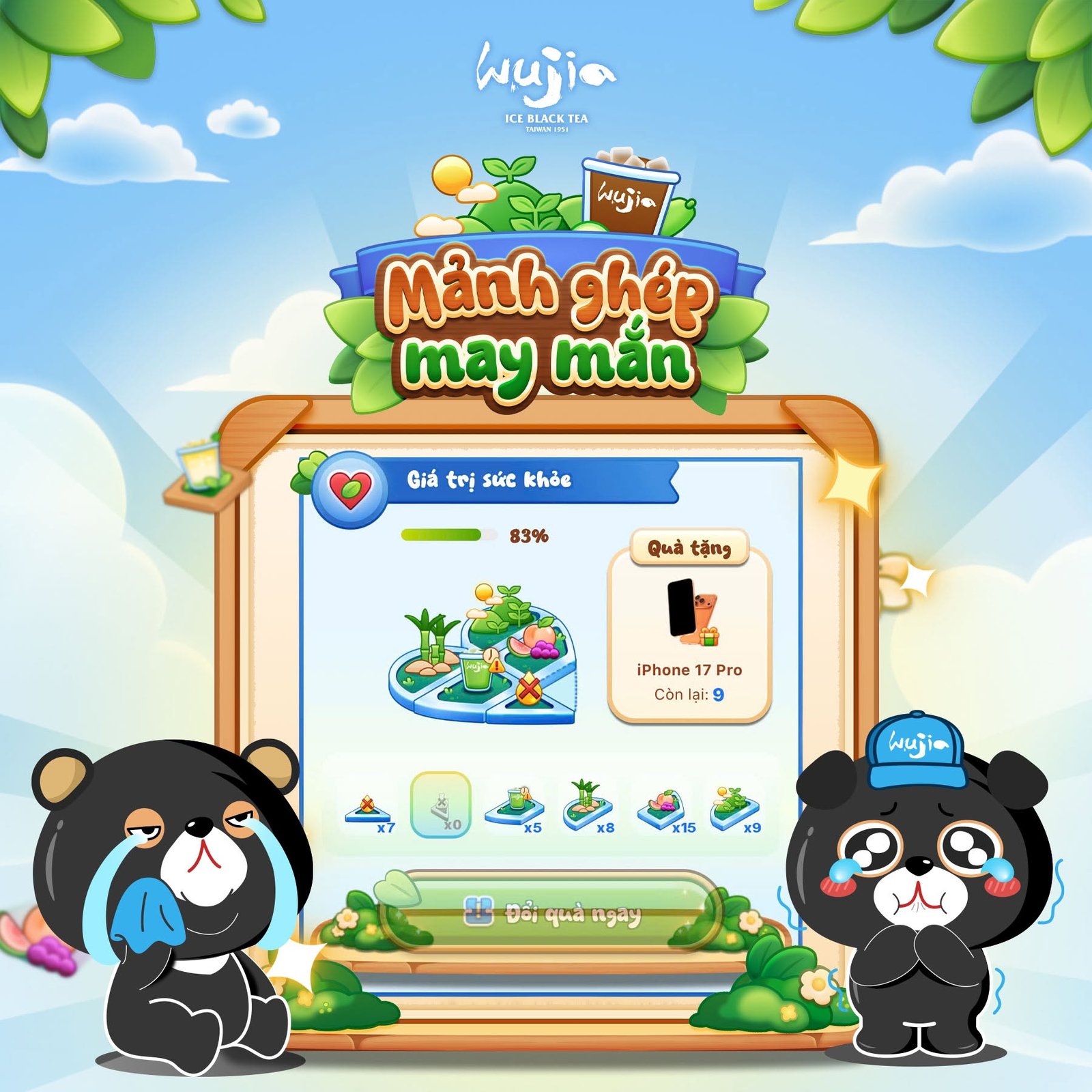
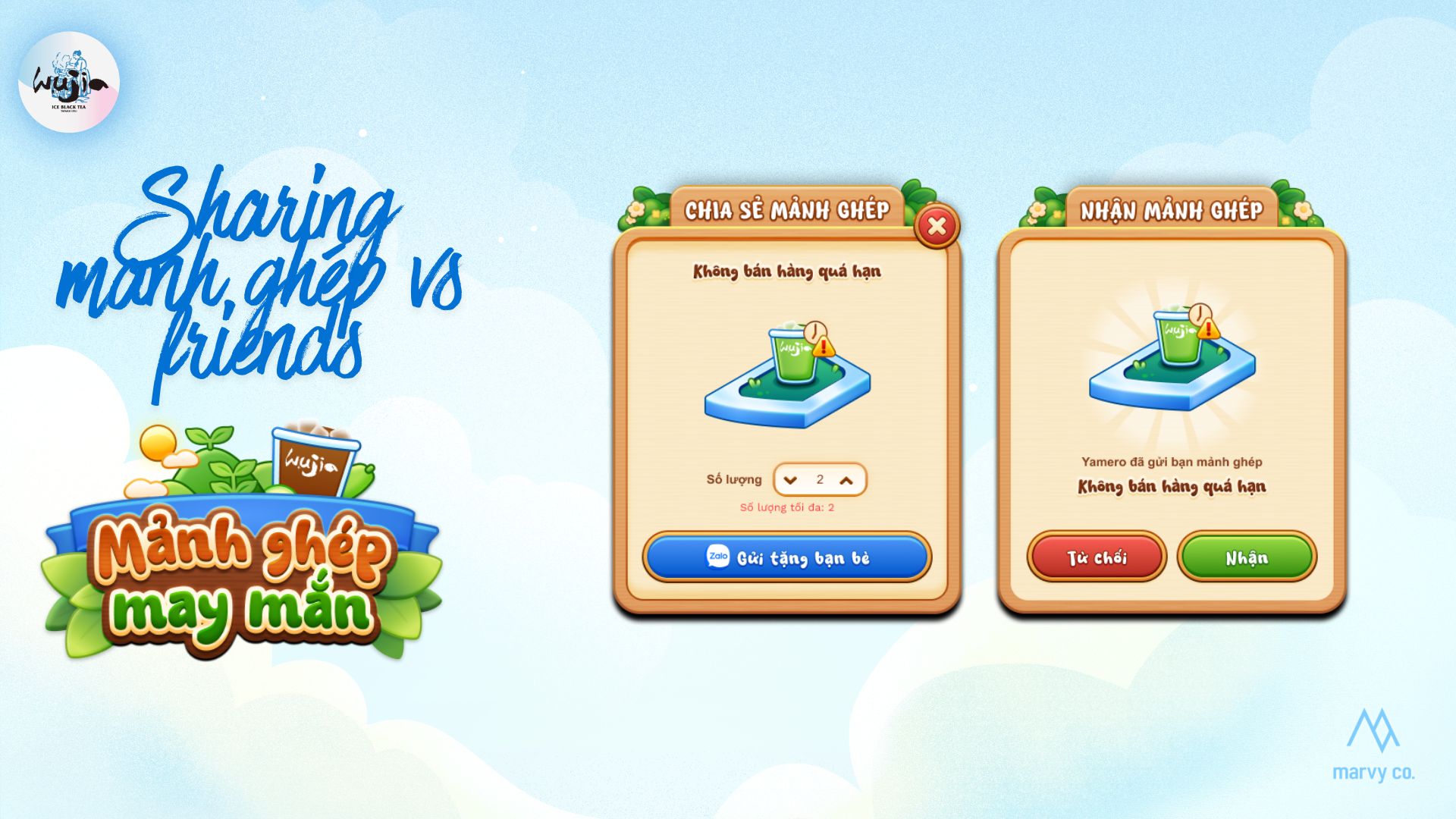
This mechanism created a strong incentive for repeat purchases, significantly increasing purchase frequency and generating natural word-of-mouth effects. Marvy Co. also built a real-time CMS system to manage player data, vouchers, puzzle pieces, and winning probabilities, ensuring a smooth and dynamic loyalty experience.
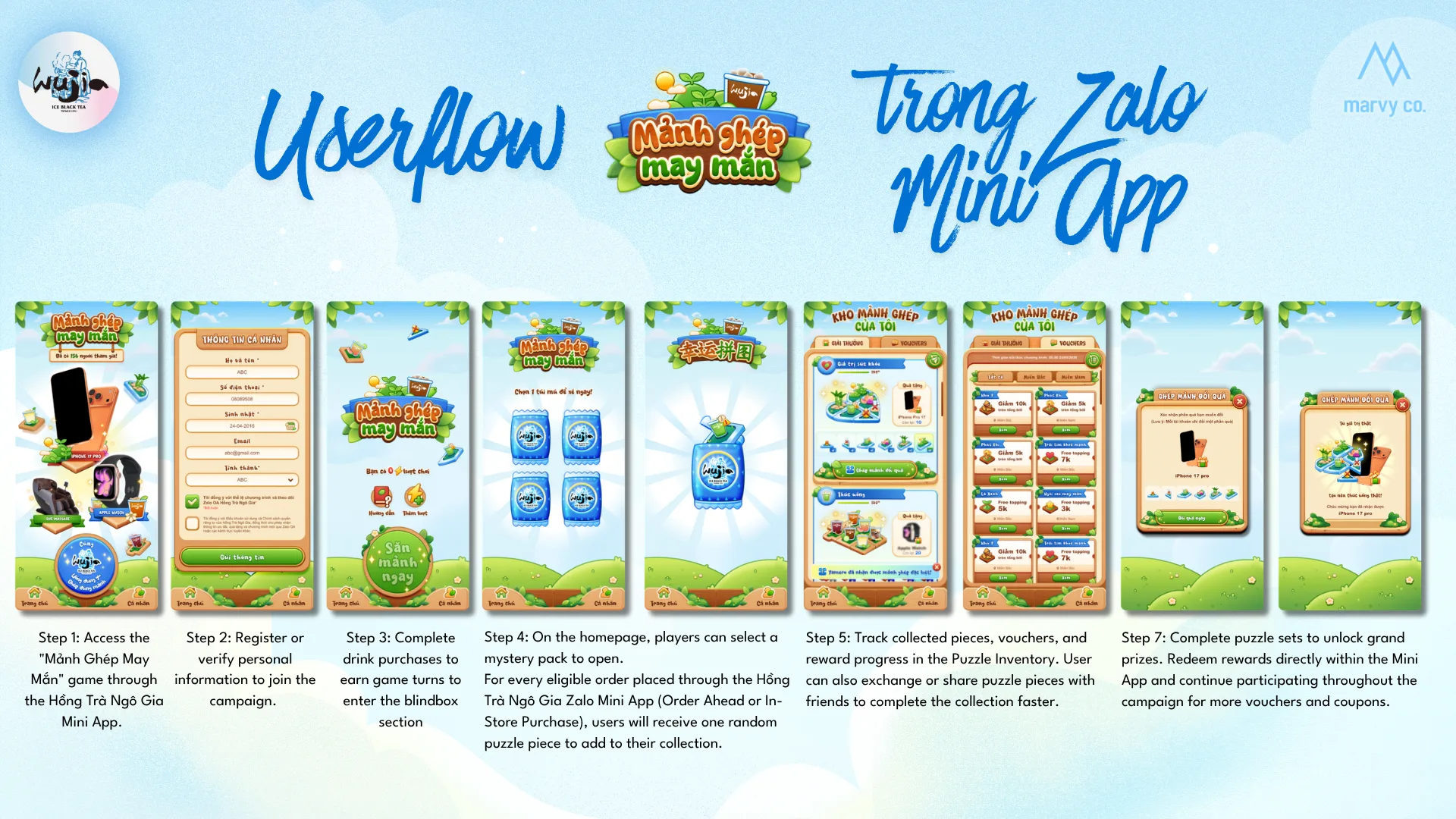
This project is a perfect testament to how Progression Design, focused on collection and social interaction, drives sustainable loyalty.
View case study: Hồng Trà Ngô Gia x Marvy
Build Your Next Loyalty Journey with Marvy Co.
The future of brand loyalty lies in creating immersive, rewarding, and progressive experiences. Zalo Mini App offers an unprecedented gateway to achieve this in the Vietnamese market. By implementing robust Progression Design strategies, brands can move beyond one-off campaigns and foster genuine, long-lasting relationships with their customers.
Marvy Co. is at the forefront of this innovation, combining creative vision with technical expertise to build Zalo Mini App experiences that not only attract but also convert and retain customers. Are you ready to transform ordinary interactions into a powerful loyalty journey for your brand?
Contact Marvy Co. today to discover how Marvy's expertise in Zalo Mini App Gamification can elevate your brand's engagement and loyalty strategy.