
















Introduction
The annual 11.11 shopping festival, once synonymous with massive discounts and flash deals, is undergoing a profound transformation. In today's saturated digital landscape, consumers seek more than just bargains; they crave memorable experiences and authentic interactions.

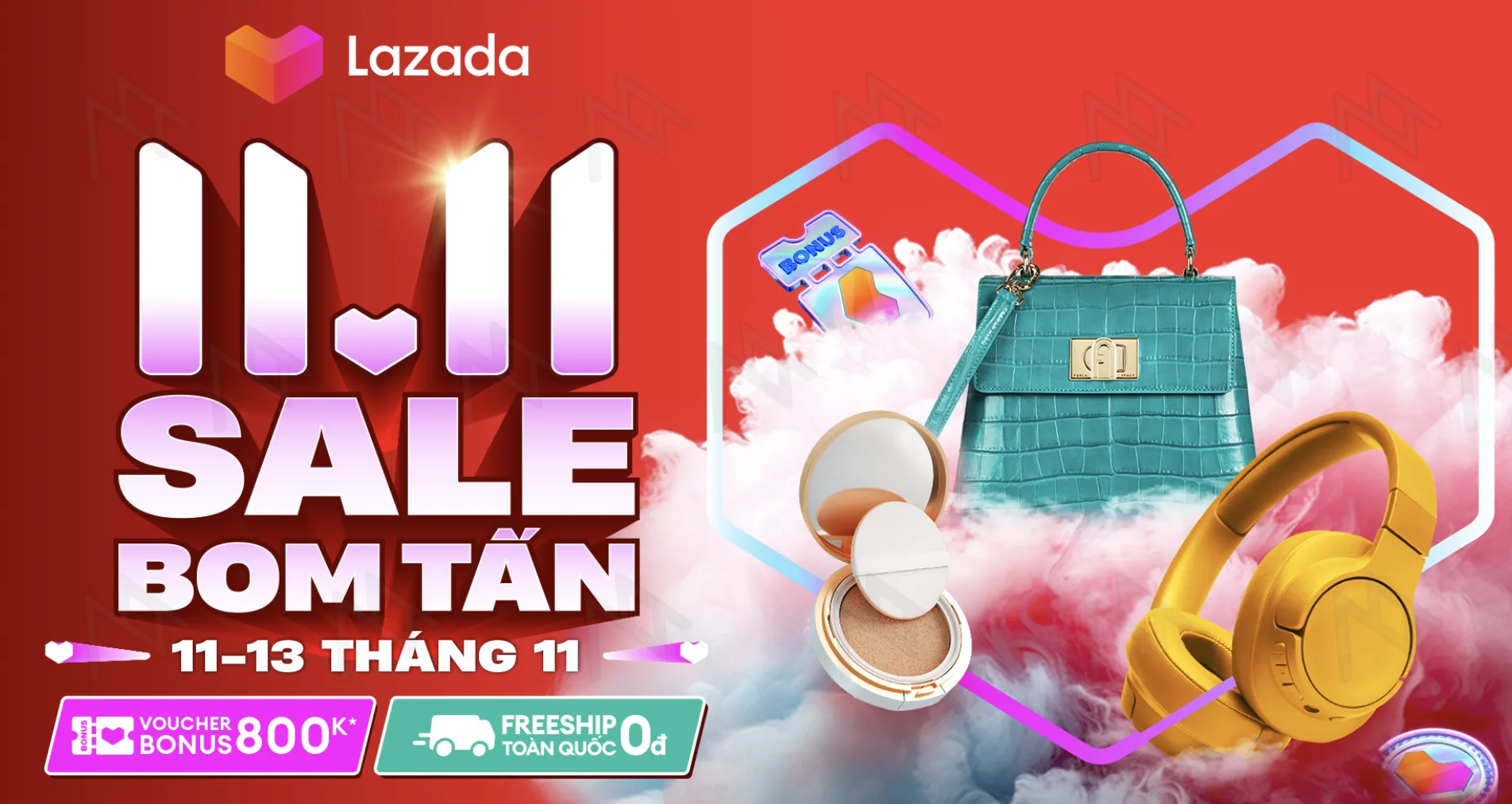
This is the golden time of year that every brand and user targets
This is where Gamification emerges as a powerful game-changer, reshaping how brands connect with their audience during peak sales events.
For retailers and brands, the challenge is no longer just about offering the lowest price, but about capturing attention, fostering loyalty, and building lasting relationships. By integrating game-like elements into their marketing strategies, businesses can transform transactional moments into engaging journeys, turning the 11.11 frenzy into an opportunity for genuine brand connection.
The Evolution of Shopping Festivals: Beyond Discounts
Historically, the success of shopping festivals like 11.11 was primarily measured by sales figures driven by deep discounts. However, consumers are increasingly immune to 'discount fatigue.' They expect innovation, personalization, and entertainment. This shift demands a new approach: one that prioritizes engagement over mere transactions.
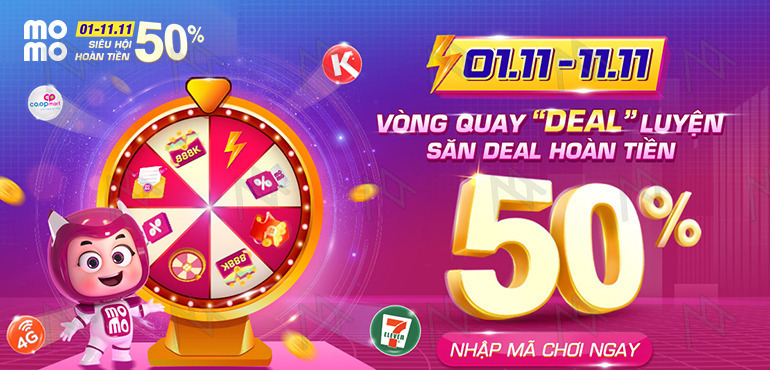
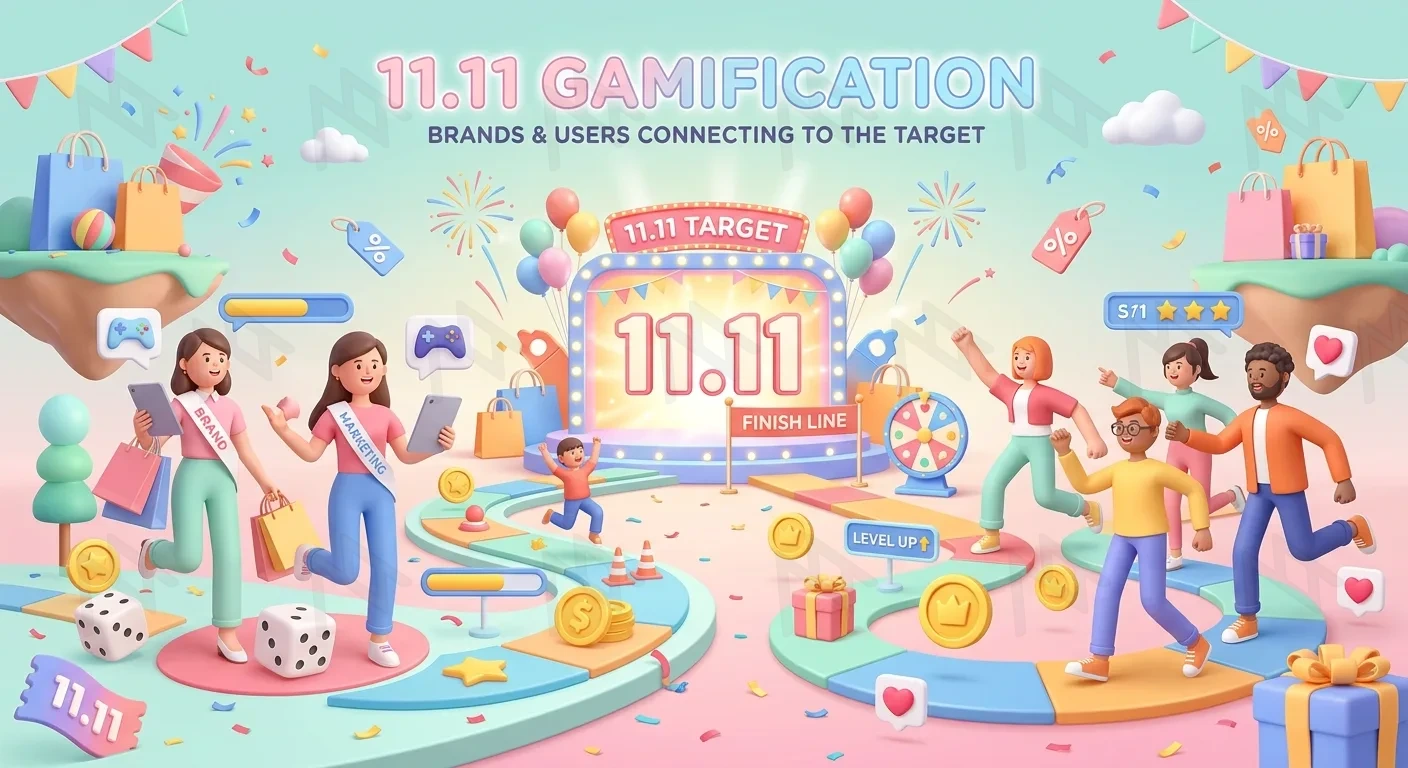
Gamification in e-commerce involves applying game design elements and game principles to non-game contexts, such as shopping. For shopping festivals, this means transforming the customer journey into an interactive adventure, offering rewards, challenges, and social interactions that go beyond a simple price cut.
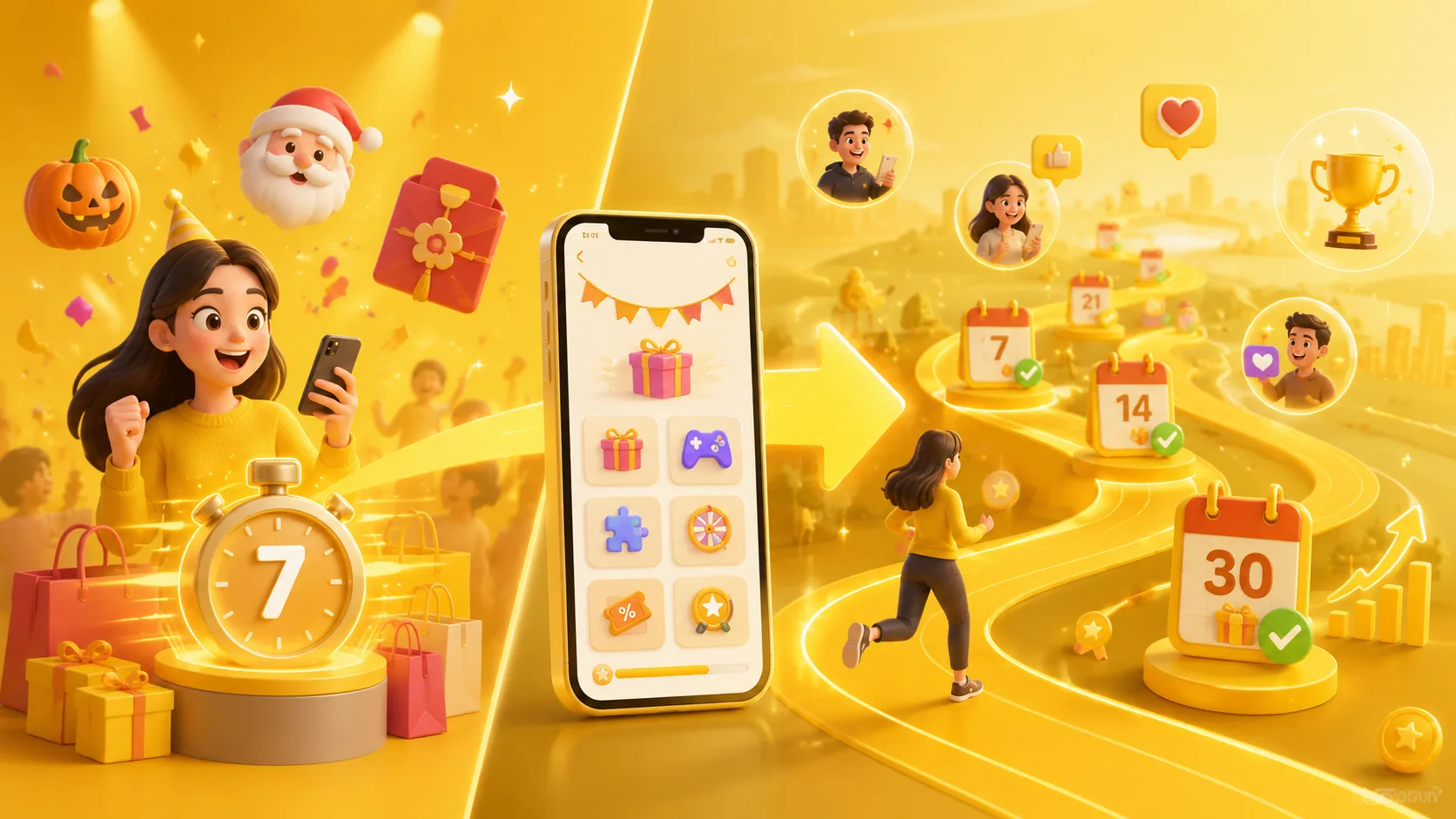
Why Gamification Matters for Modern Retail?
Enhanced Customer Engagement: Gamified experiences are inherently more interactive and enjoyable, keeping users on your platform longer and encouraging deeper exploration of products and services.
Increased Brand Loyalty: By creating positive, memorable interactions, Gamification fosters emotional connections, turning one-time buyers into loyal advocates.
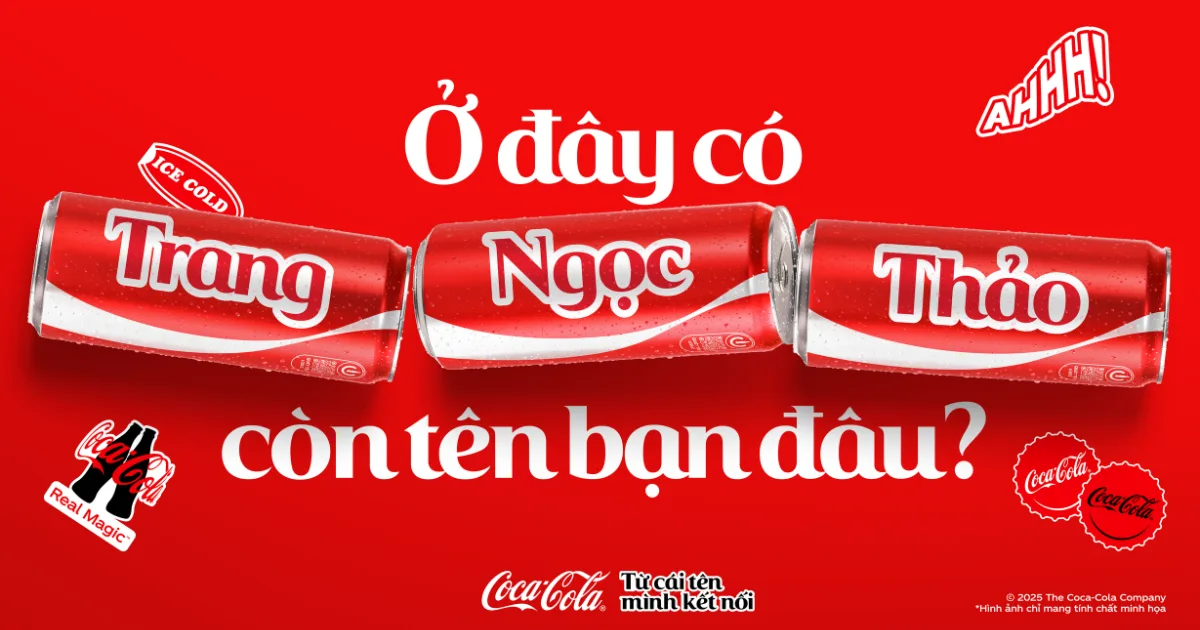
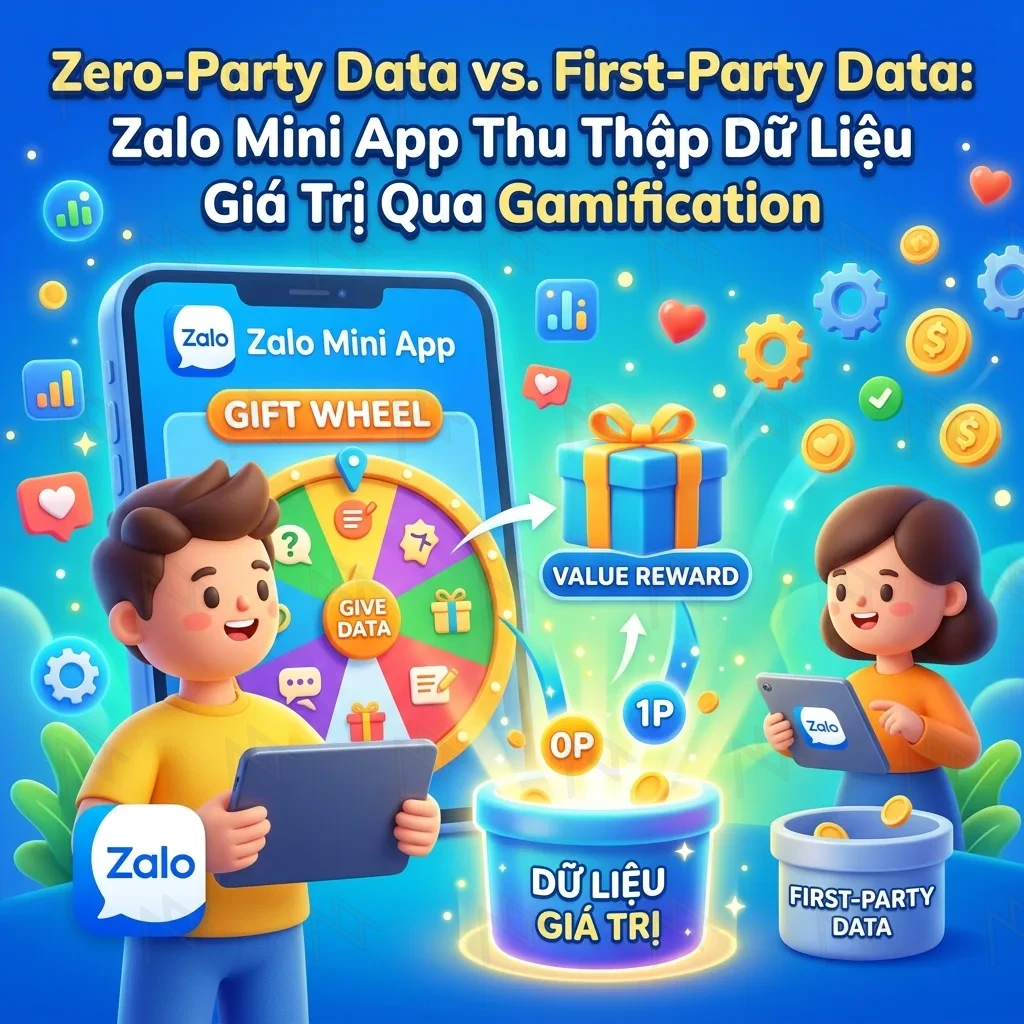
Valuable Data Collection: Interactive games can subtly gather crucial customer data, providing insights into preferences, behaviors, and pain points, thereby guiding future marketing and personalization efforts.
Organic Virality & Shareability: Users are more likely to share fun, engaging experiences with friends and their social networks, boosting organic reach and attracting new customers.
Differentiated Brand Positioning: In a crowded marketplace, unique gamified campaigns help brands stand out, showcasing innovation and a customer-centric approach.
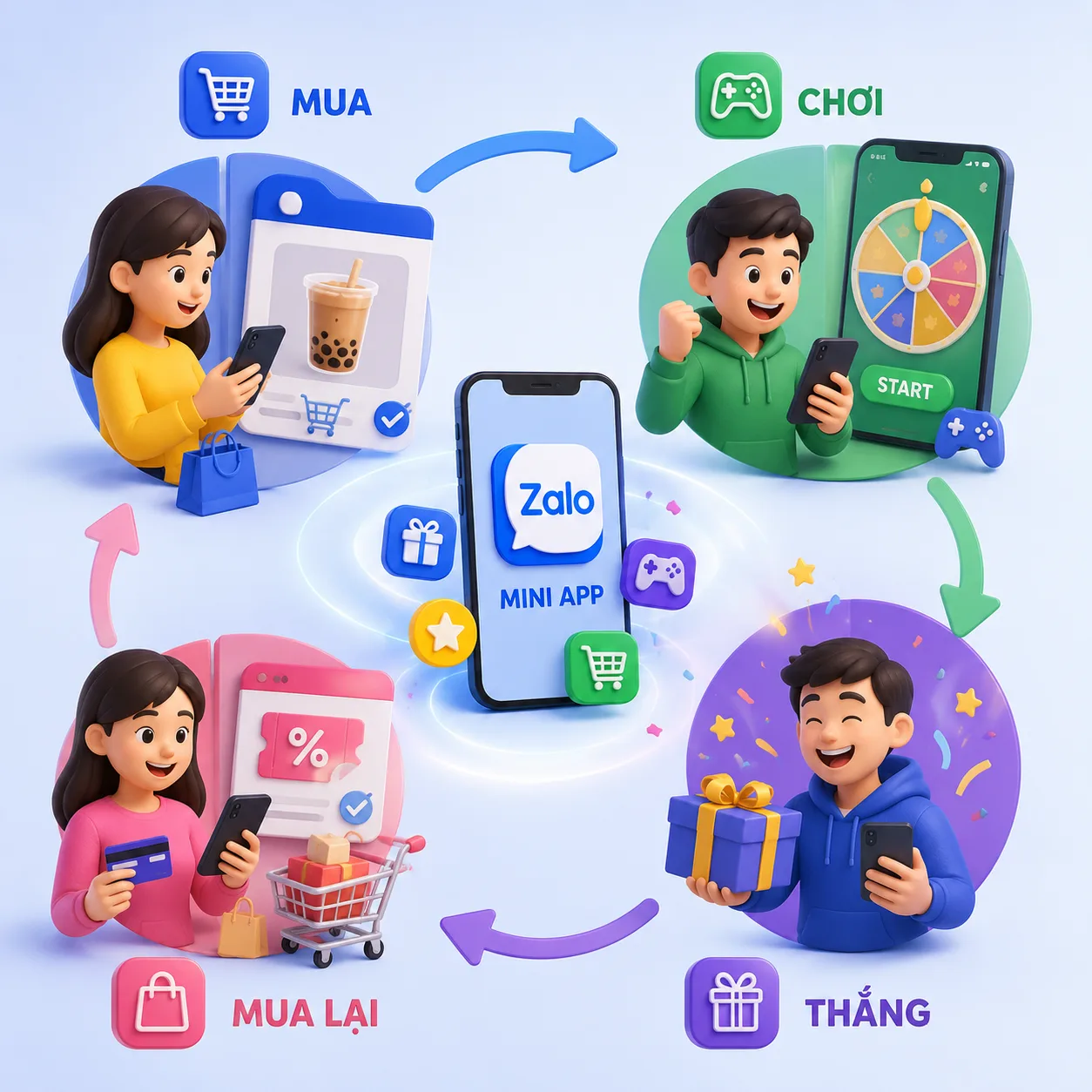
Key Gamification Mechanics Revolutionizing 11.11
Brands are leveraging various Gamification mechanics to enhance the shopping experience:
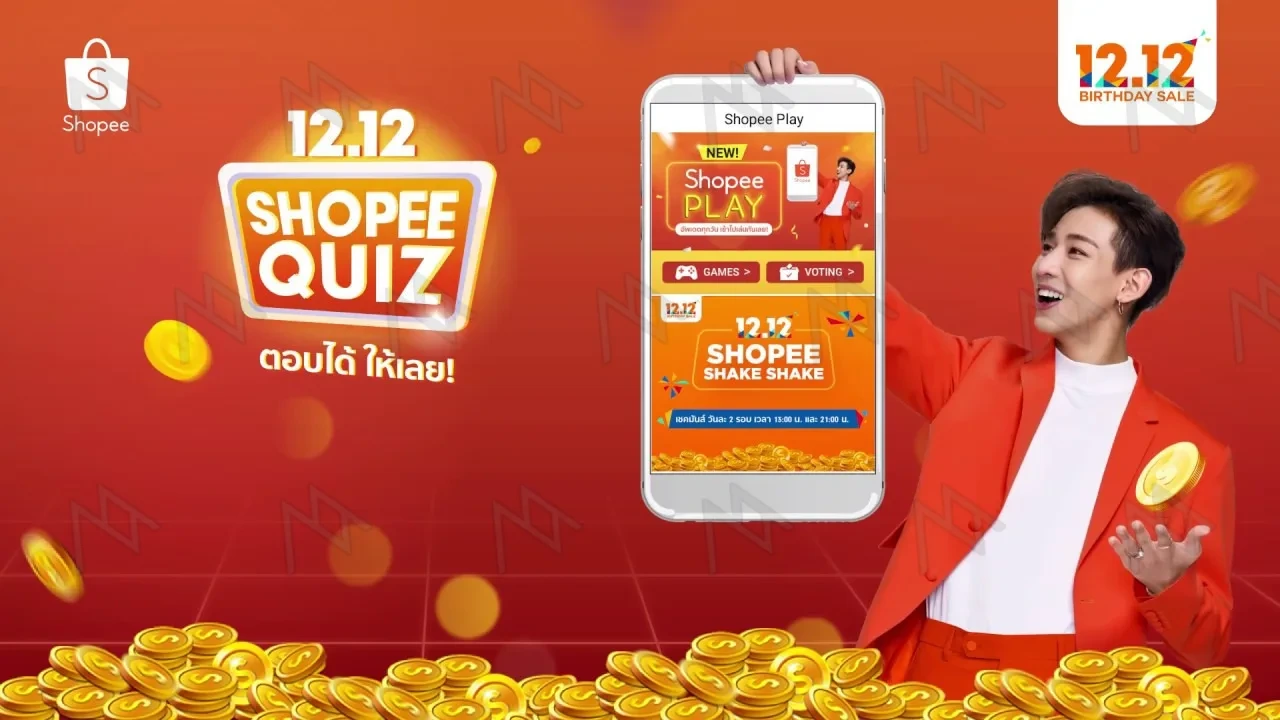
Mystery Boxes & Blind Puzzles: These elements create anticipation and excitement, turning every purchase or interaction into an opportunity to win unique rewards or collect exclusive items.

Interactive Quizzes & Challenges: Engaging users with product quizzes or skill-based mini-games not only entertains but also educates them about offerings in a fun, memorable way.
Personalized Content Creation: Tools that allow users to generate customized content (e.g., personal avatars, themed photos) often go viral, driving user-generated content and brand visibility.
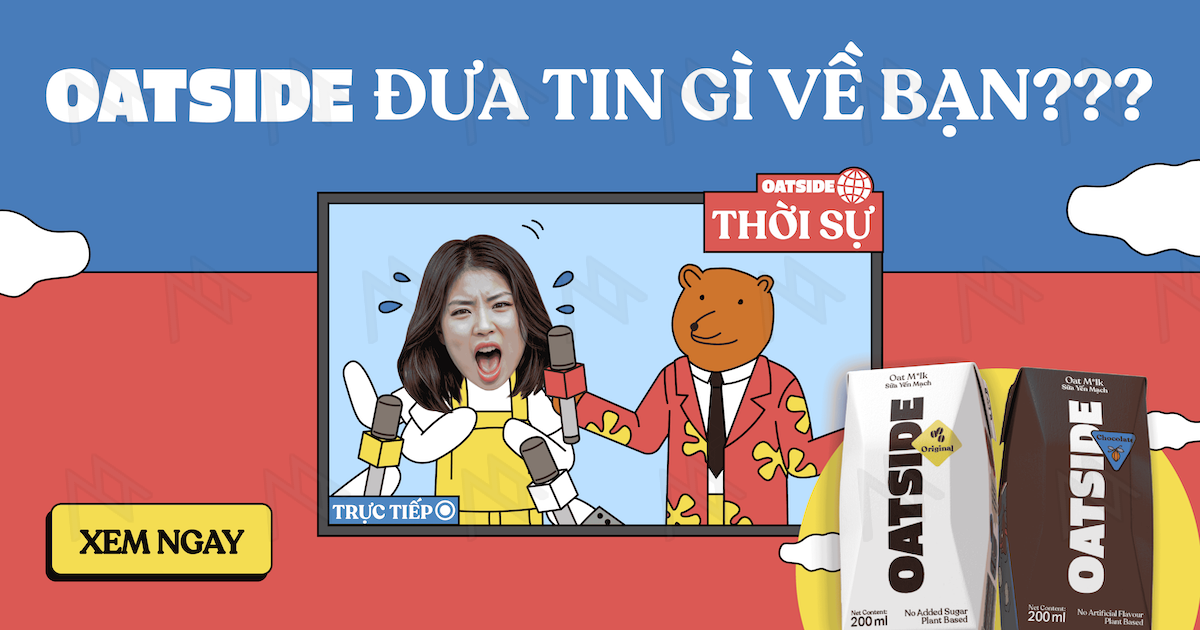
Learn about Oatside's AI Generation Faceswap project with Marvy: Here
Referral & Sharing Incentives: Encouraging users to share game achievements or challenge friends amplifies reach and leverages word-of-mouth marketing.
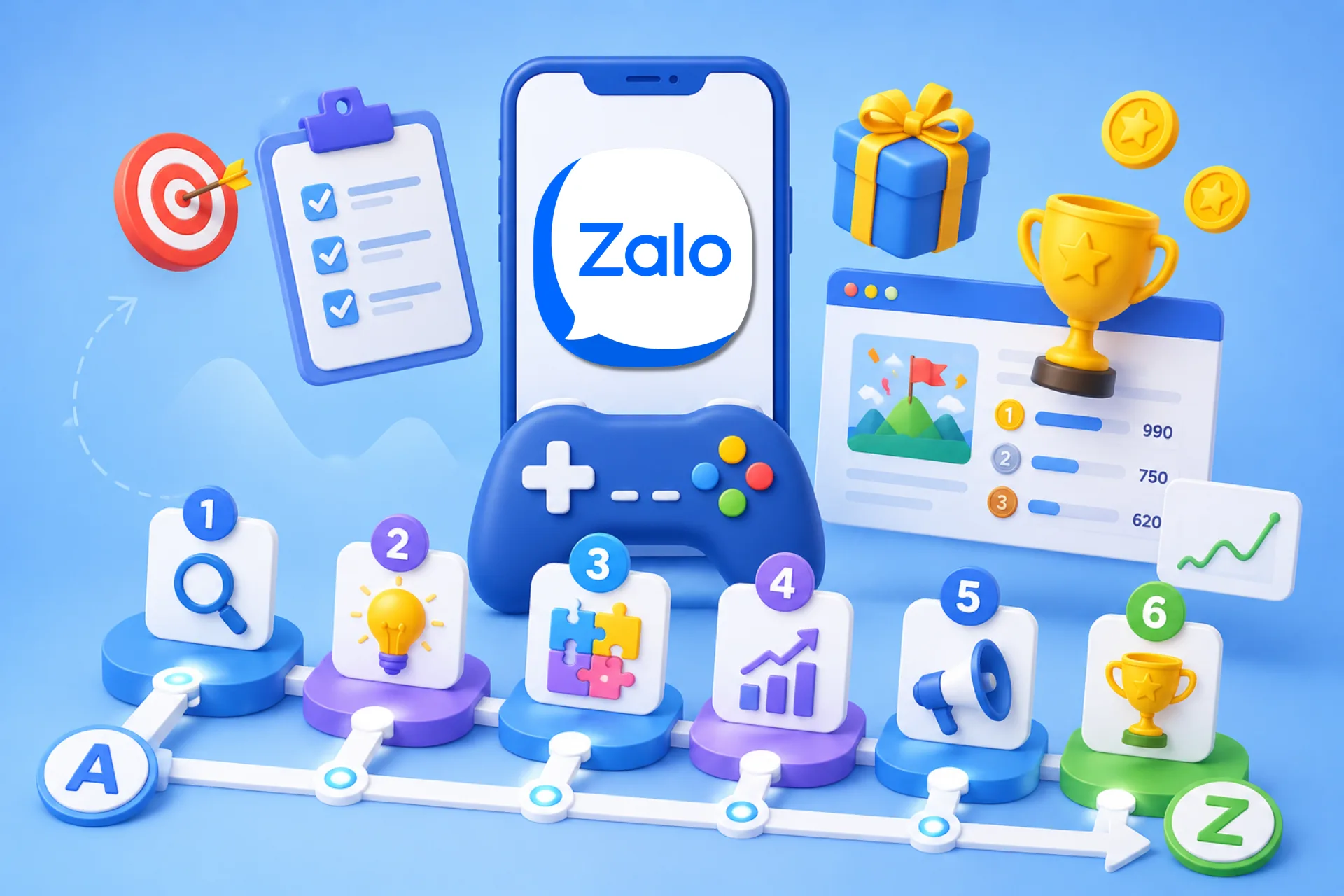
Marvy Co. & Zalo Mini App: Powering Gamification Success
Marvy Co. has been at the forefront of deploying innovative Gamification strategies, especially through Vietnam's powerful Zalo Mini App platform. These case studies demonstrate how interactive experiences can significantly drive engagement and sales.
Case Study 1: Ngo Gia Black Tea – Lucky Puzzle Pieces (Zalo Mini App)
Marvy Co. developed the Blind Box Puzzle Collection campaign on Ngo Gia Black Tea's Zalo Mini App. This transformed every drink order into an exciting reward hunt.
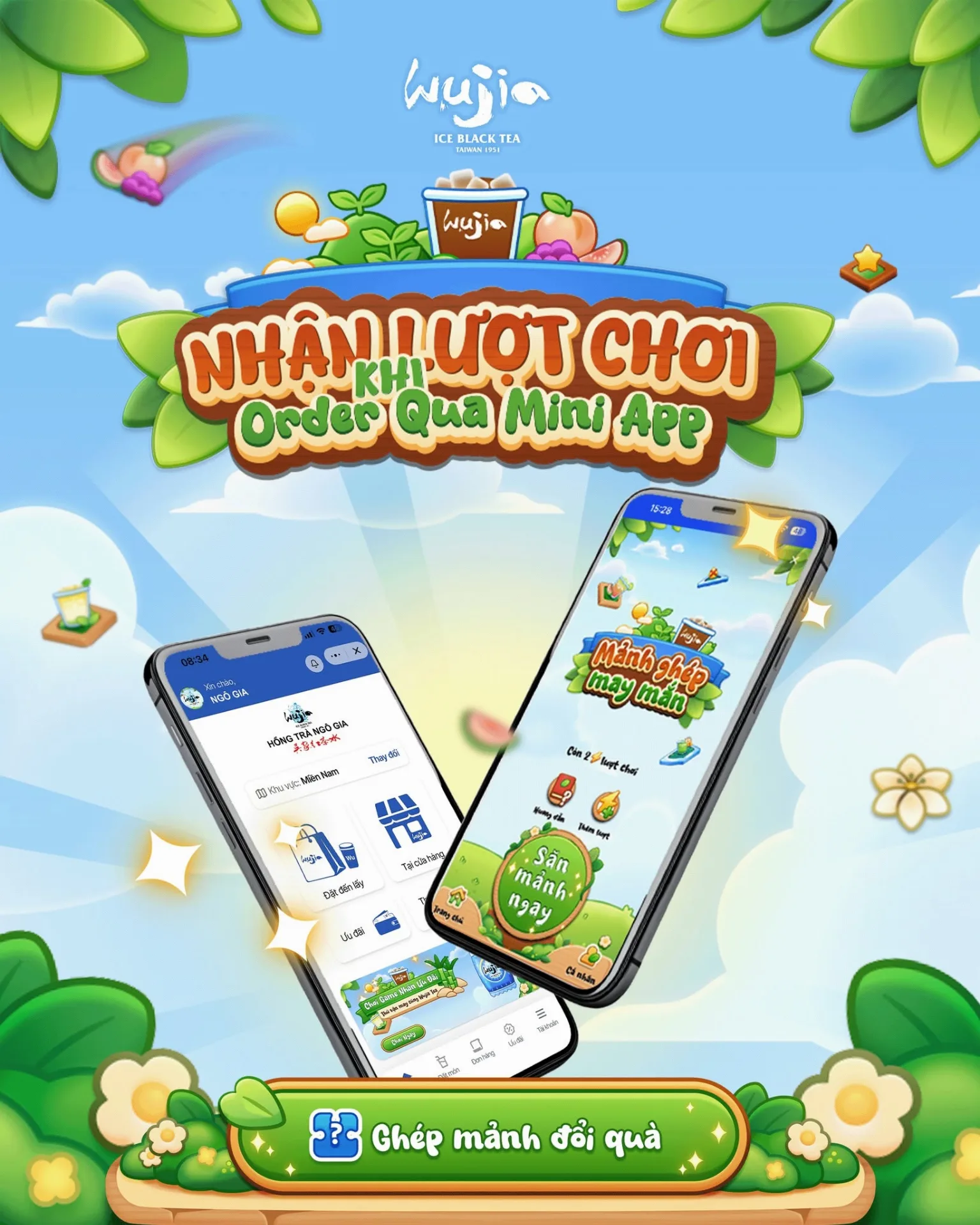
After purchasing a drink, users receive turns to open blind bags to collect puzzle pieces or random vouchers. The puzzle pieces are divided into various brand-themed collections and can be shared and exchanged with friends to complete collections faster. This mechanism creates a returning incentive, increases purchase frequency, and generates a natural viral effect. Marvy also built a real-time CMS to manage player data, vouchers, puzzle pieces, and winning rates, ensuring a seamless and fair experience.
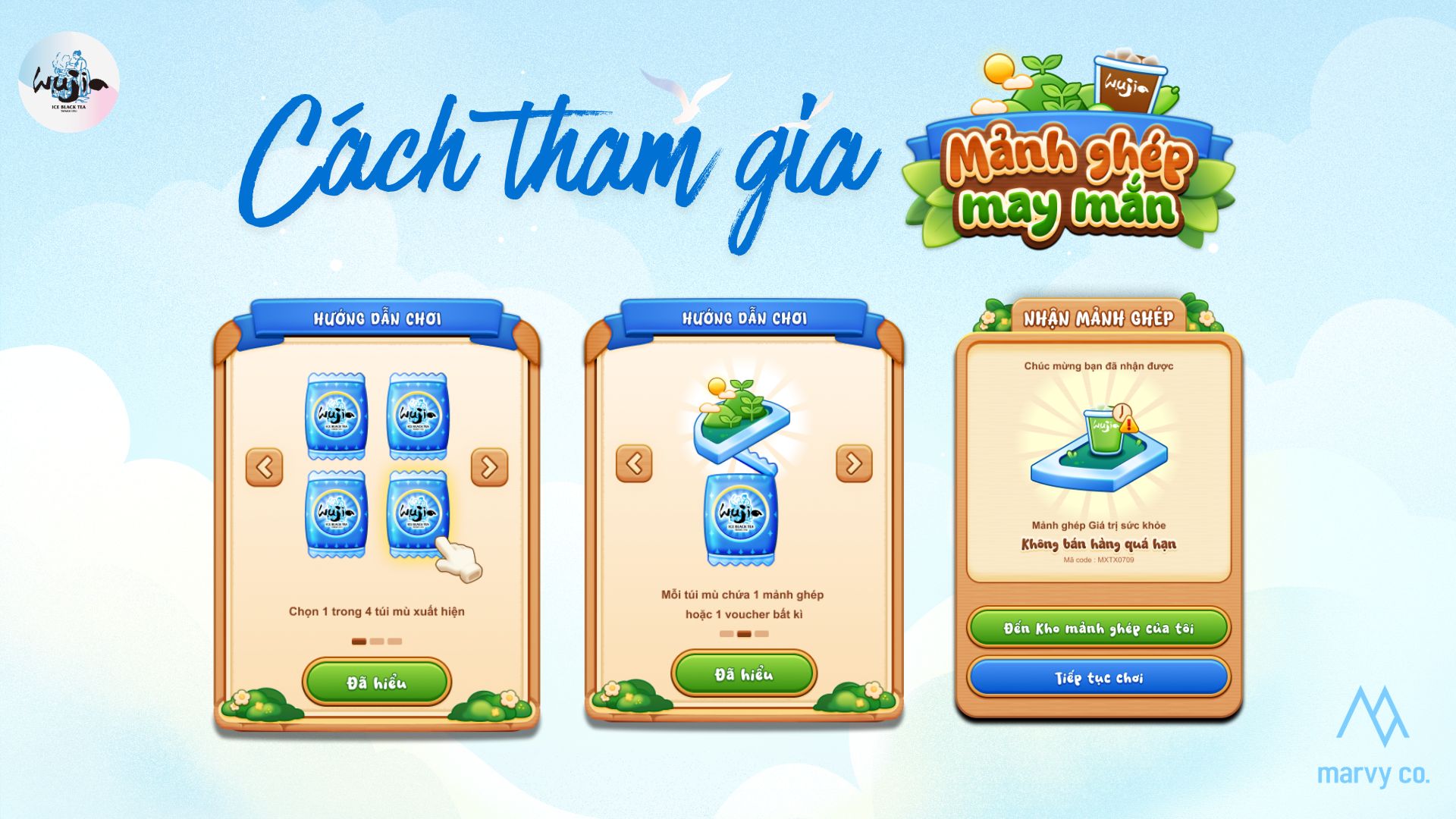
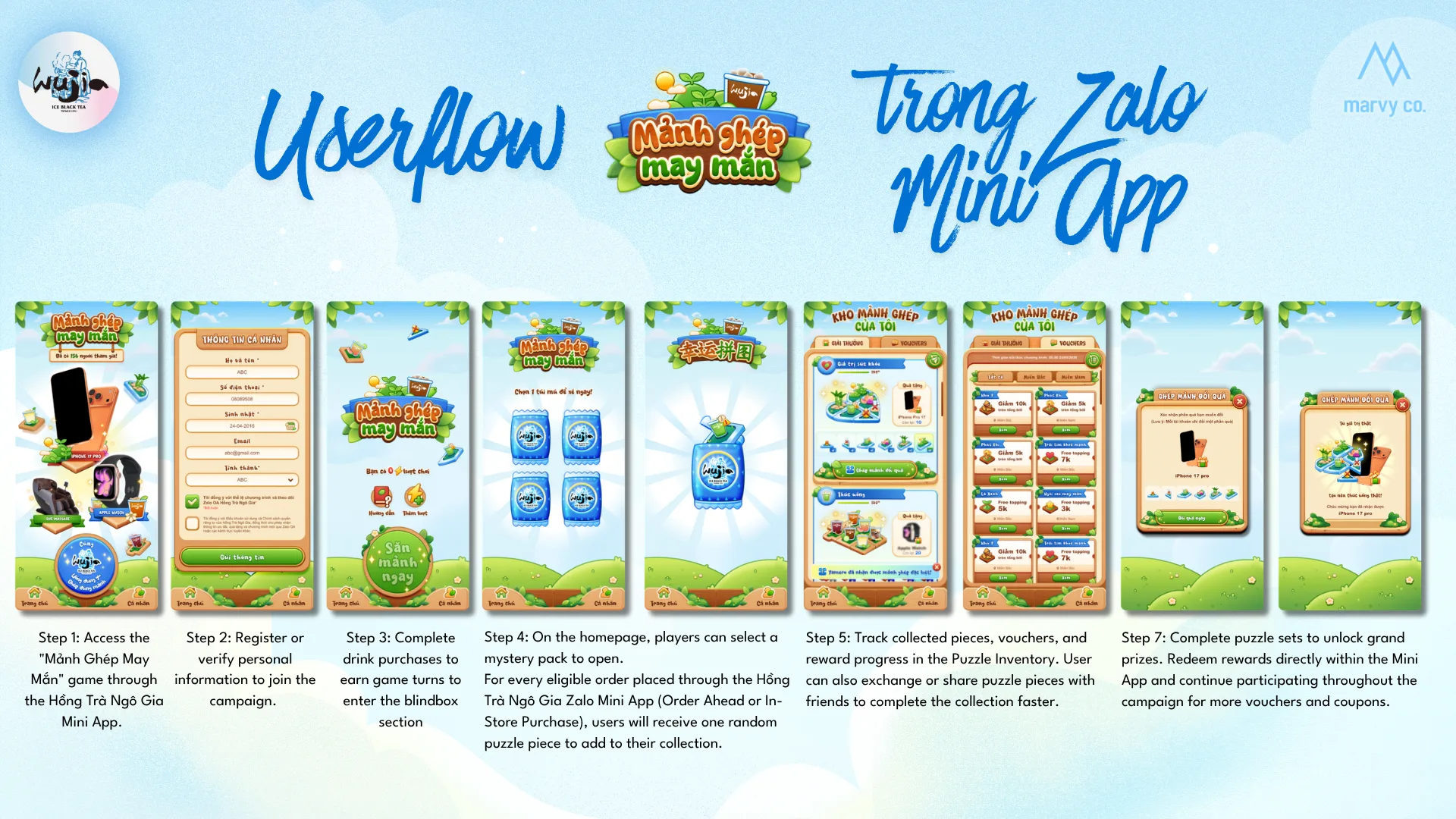
Impact: Significantly increased user retention and repeat purchases by transforming a simple transaction into an exciting collection game. (Learn more about Zalo Mini App development)
Case Study 2: MILO A2 Cool Milk – Small Steps, Cool for the Whole Family (Zalo Mini App)
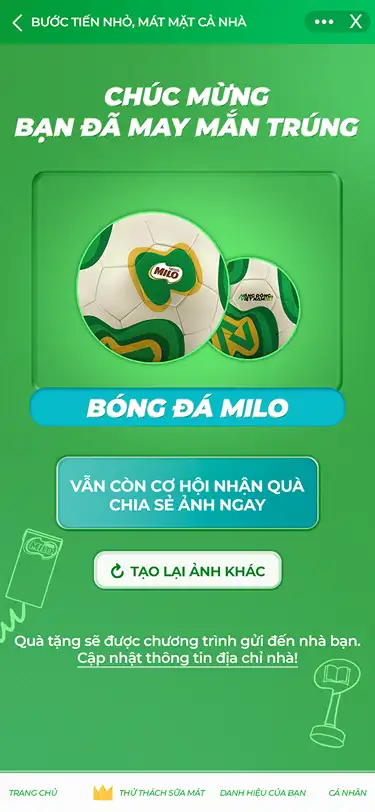
To promote the new MILO A2 Cool Milk line, Marvy developed a Minigame on Zalo Mini App through a personalized AI experience.
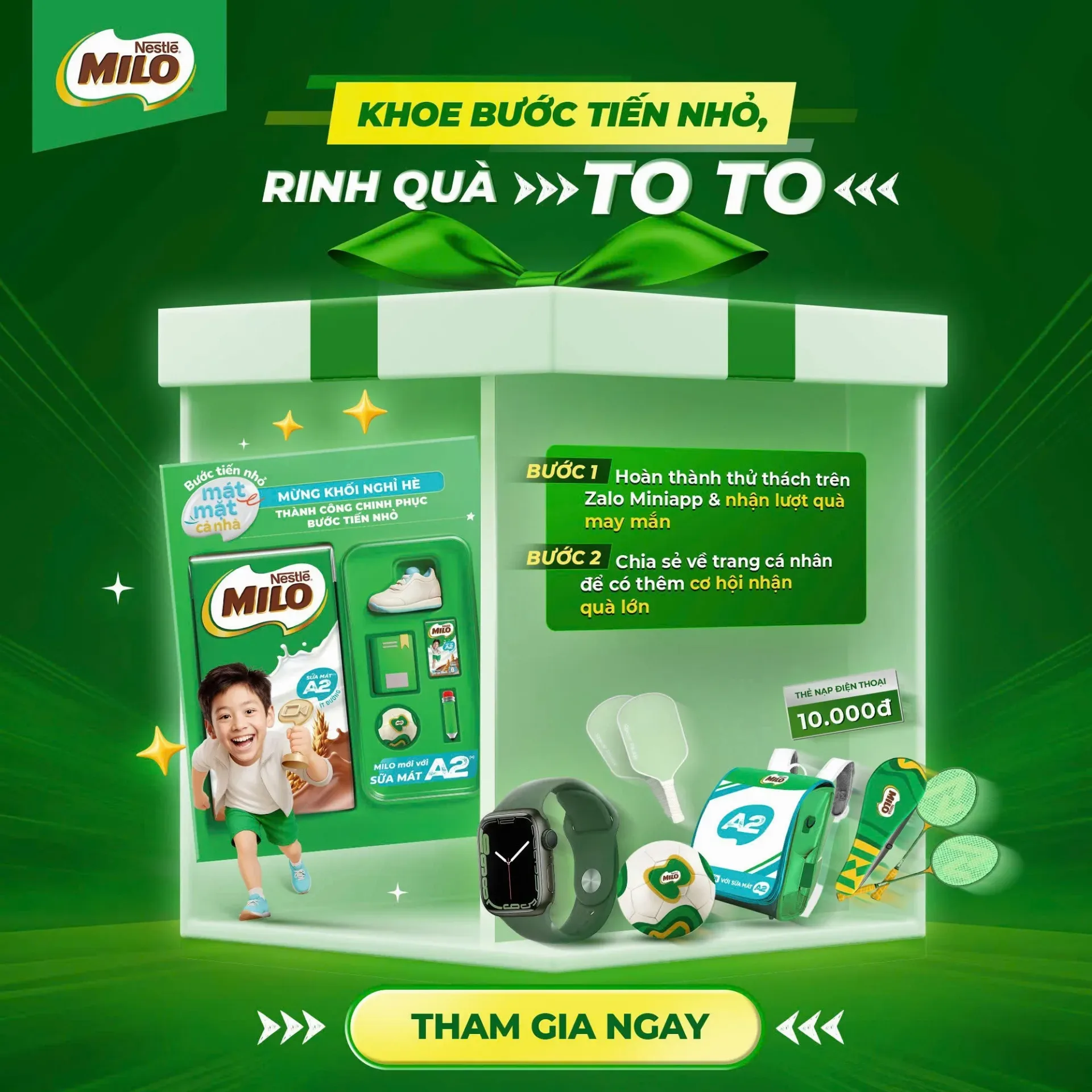
Parents upload their child's photo and select keywords describing the child, such as gender, hobbies, sports, academic activities, or outstanding skills. The system uses AI FaceSwap and AI Generation to create images consistent with the brand template, after which users share them on Facebook and submit the link to receive rewards.
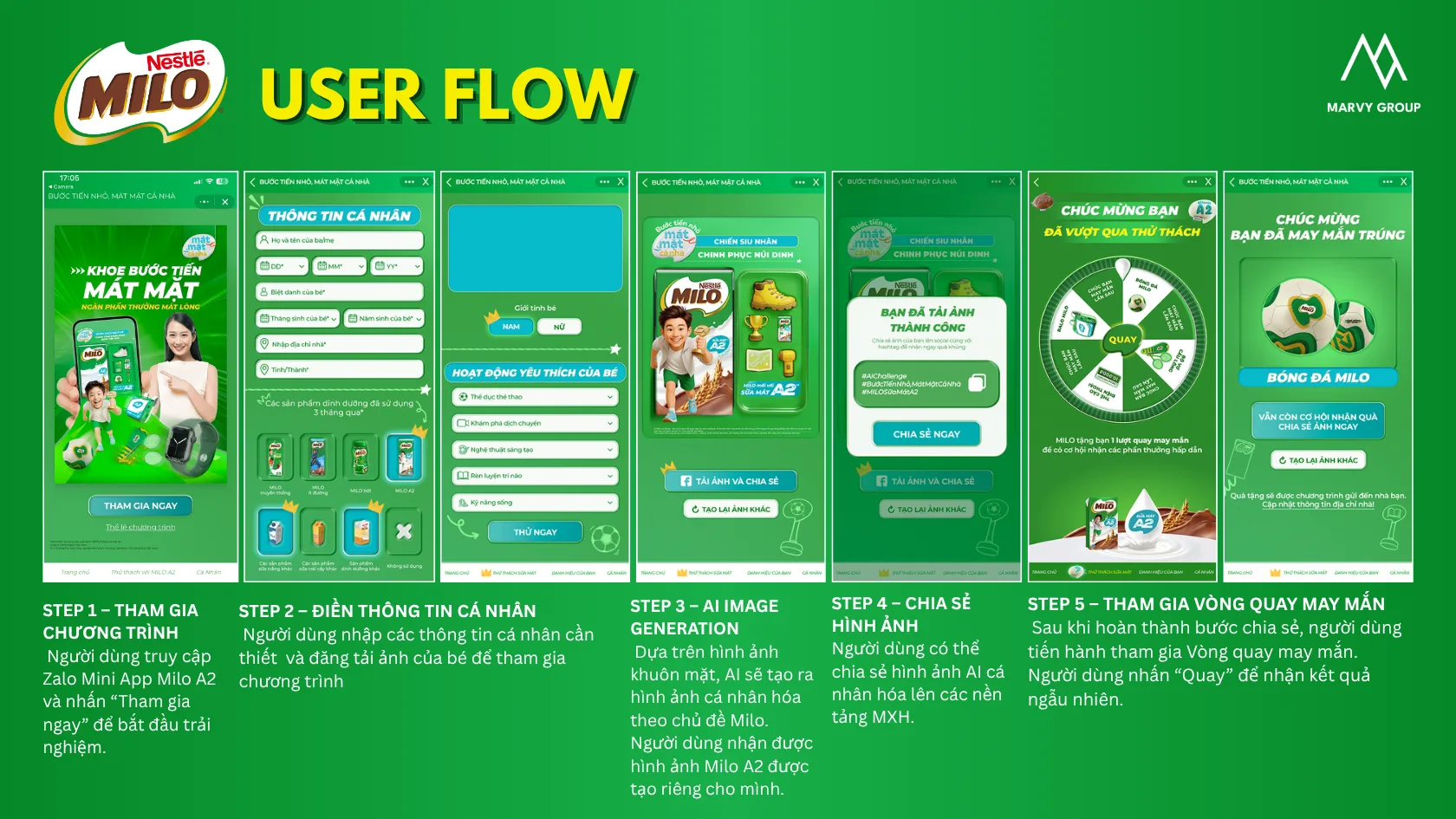
The campaign helped increase new product awareness, encouraged content creation and sharing on social media, and collected data for CRM and remarketing.
Impact: High brand visibility, rich user-generated content, and diverse data for future marketing personalization.
Case Study 3: Seafood from Norway – Penalty Challenge (Zalo Mini App)
Marvy developed a Quiz-to-Penalty game on the Zalo Mini App, combining Q&A with a penalty shootout experience for Seafood from Norway. Each correct answer translated into a successful goal, making content about Norwegian salmon more visual and engaging.
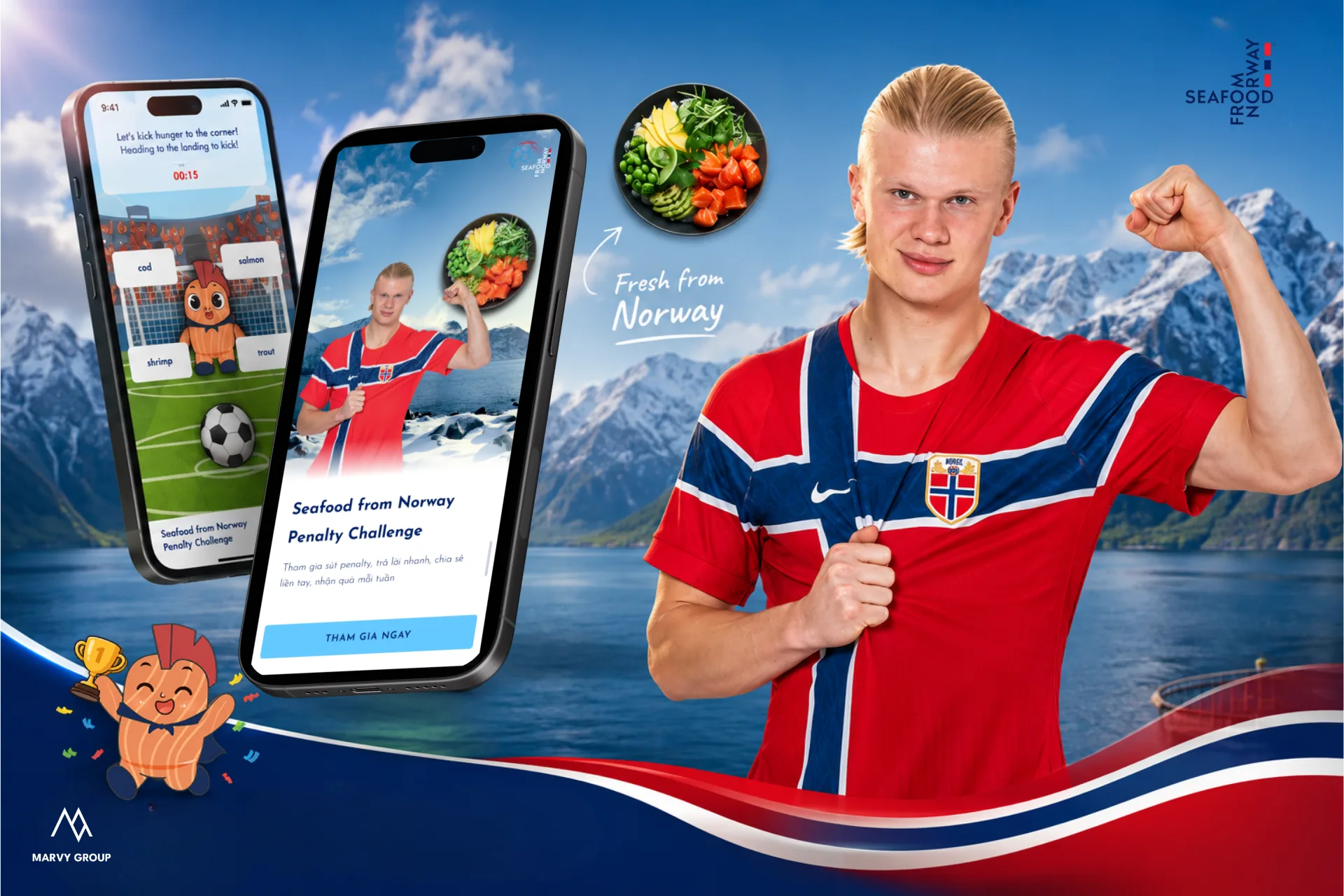
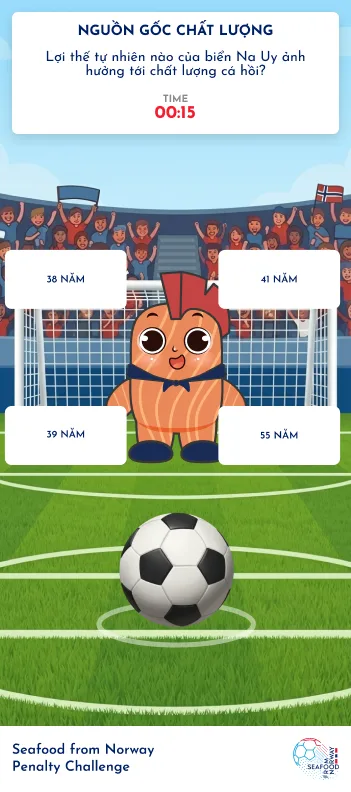
After playing, users save their winning photos, share them on Facebook with hashtags, and participate to receive gifts, creating a natural viral effect. Marvy built the entire UI/UX, game, backend, and CMS, allowing real-time tracking of player data, plays, correct answer rates, and campaign effectiveness.
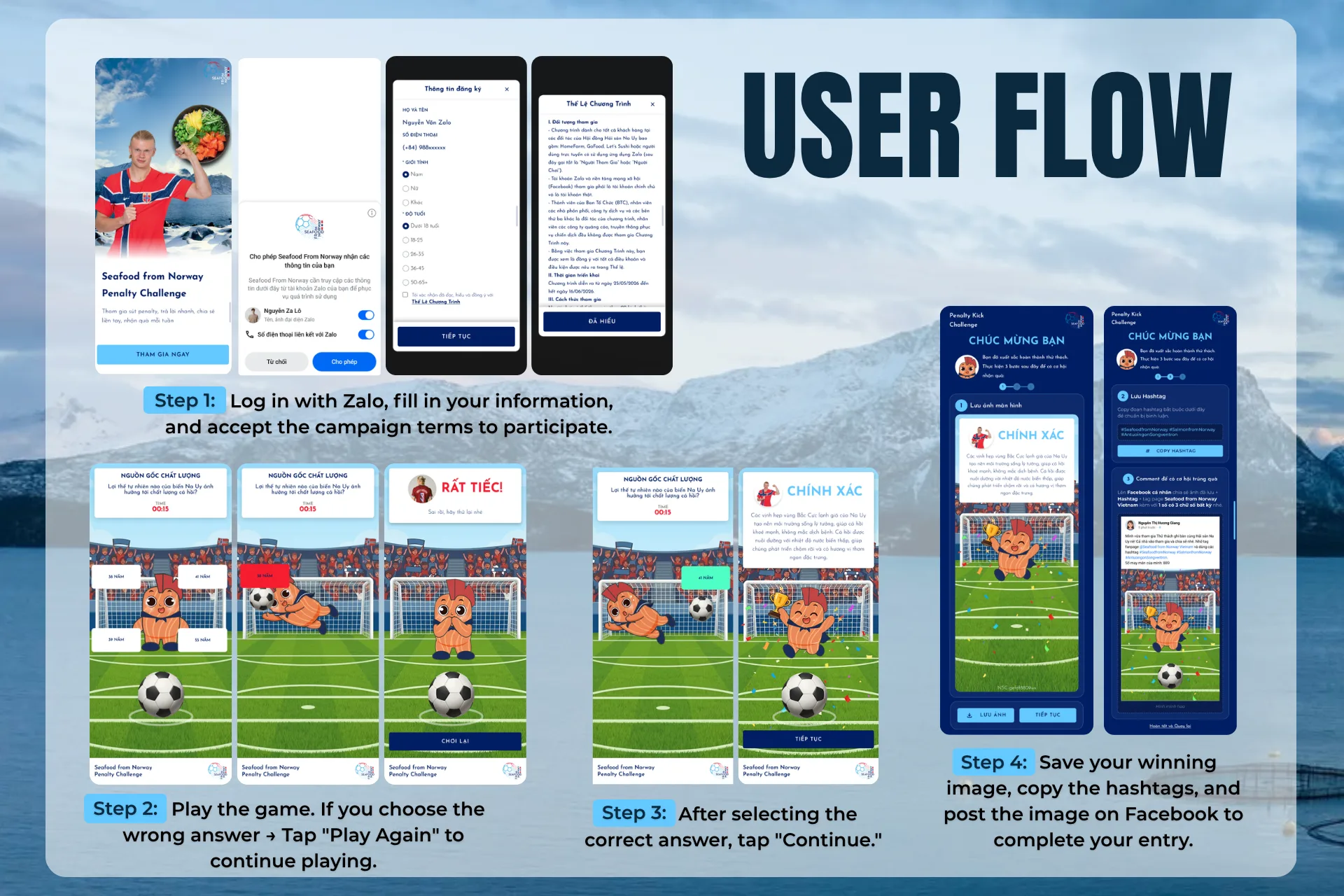
Impact: Enhanced product knowledge, strong social virality, and real-time performance insights. (Read more about the potential of Zalo Mini App)
Implementing Successful Gamification on Zalo Mini App
To truly harness the power of Gamification, brands must consider:
Clear Objectives: Define what you aim to achieve – increased sales, brand awareness, data collection, or loyalty.
Audience Understanding: Tailor game mechanics to resonate with your target audience's preferences and motivations.
Seamless Integration: Ensure the gamified experience is smooth and intuitive, ideally within platforms like Zalo Mini App to maximize accessibility.
Compelling Rewards: Beyond discounts, offer exclusive content, personalized experiences, or valuable prizes to incentivize participation.
Analysis & Optimization: Continuously monitor performance and gather insights to refine your Gamification strategy.
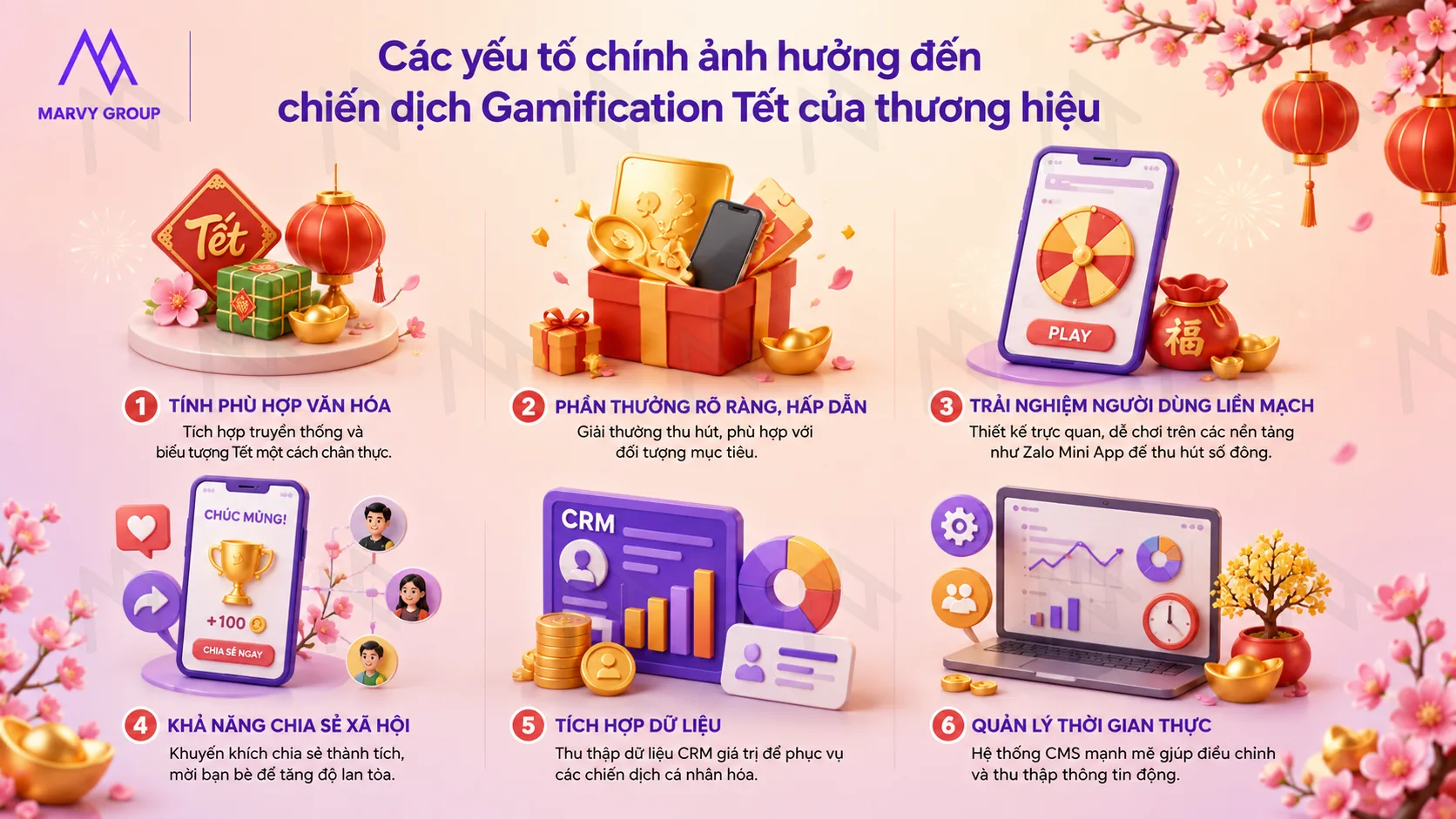
Gamification is more than a trend; it's a strategic imperative for brands looking to thrive in the dynamic world of e-commerce. It has proven to significantly enhance user engagement and loyalty.
By transforming shopping festivals into interactive adventures, businesses can build stronger customer relationships and drive sustainable growth, particularly in rapidly evolving markets like Vietnam, where platforms such as Zalo are dominant. The future of 11.11, and indeed all major shopping events, lies in unforgettable experiences, not just unbeatable prices.

Ready to Transform Your Next Shopping Festival?
Don't let your brand get lost in a sea of discounts. Partner with Marvy Co. to design and implement cutting-edge Gamification strategies on Zalo Mini App that captivate your audience, drive unprecedented engagement, and turn shoppers into loyal fans.
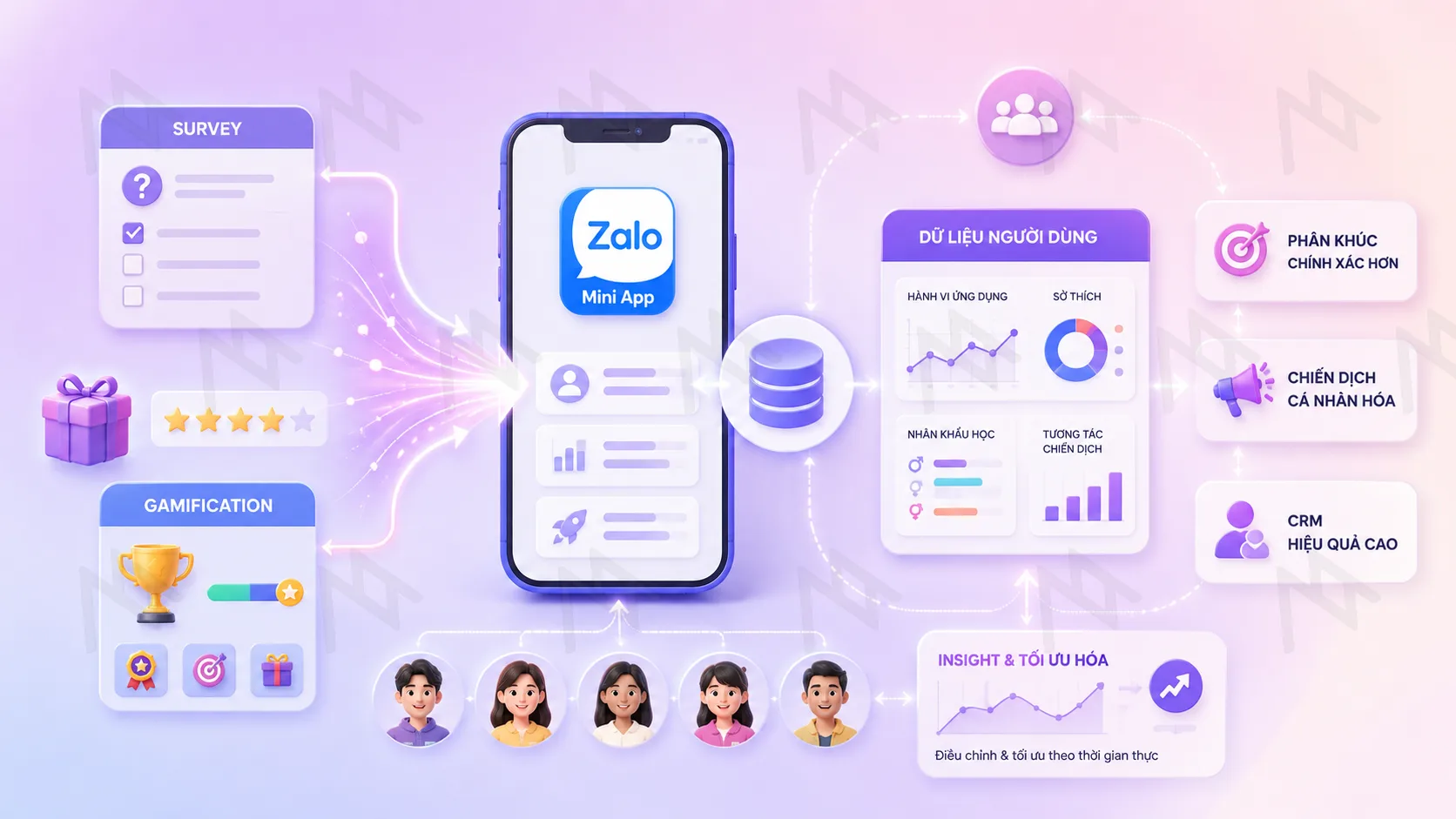
Contact us today to discover how we can help your brand stand out!