
















Introduction
Have you ever wondered: Why do some brands invest the same budget in Zalo Mini App gamification and acquire tens of thousands of loyal customers, while others are left with an "abandoned app"?
The difference isn't in how much you spend, but in a well-structured implementation process.
If you're looking for a standard roadmap to turn your Zalo Mini App into a "weapon" for customer retention and sales growth, this article is for you. Let's explore the proven 5-step process for building Zalo Mini App gamification from A-Z, validated through brilliantly successful real-world campaigns!
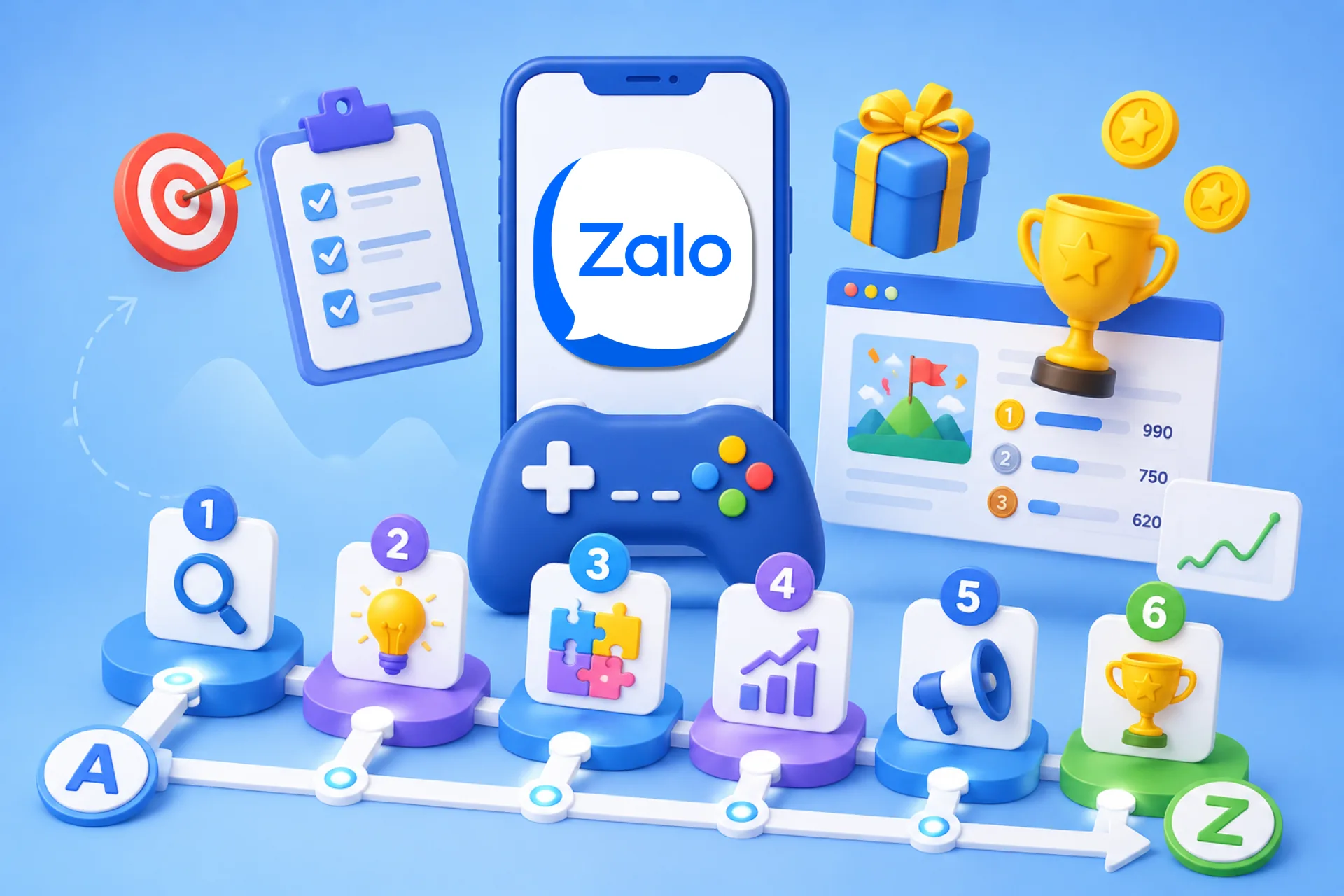
This article will guide you on how to implement a Gamification campaign on Zalo Mini App
Step 1: Define Business Objectives (KPIs)
Before designing an interface or writing any line of code, the first question you must answer is: What do you aim to achieve with this game?
A well-structured Zalo Mini App gamification campaign cannot be "just for fun." Business objectives will determine 90% of the game mechanics and how you measure effectiveness:
Data Collection / CRM Objective: Collect phone numbers, emails, and preferences to enrich customer data. (Measurement metrics: Form completion rate, number of new leads).
Viral / Spread Objective: Create a wave of discussion and naturally attract new users. (Measurement metrics: Zalo OA/Message shares, K-factor).
Sales / Revenue Boost Objective: Encourage customer repurchases, increase average order value. (Measurement metrics: Voucher redemption rate, number of orders generated).
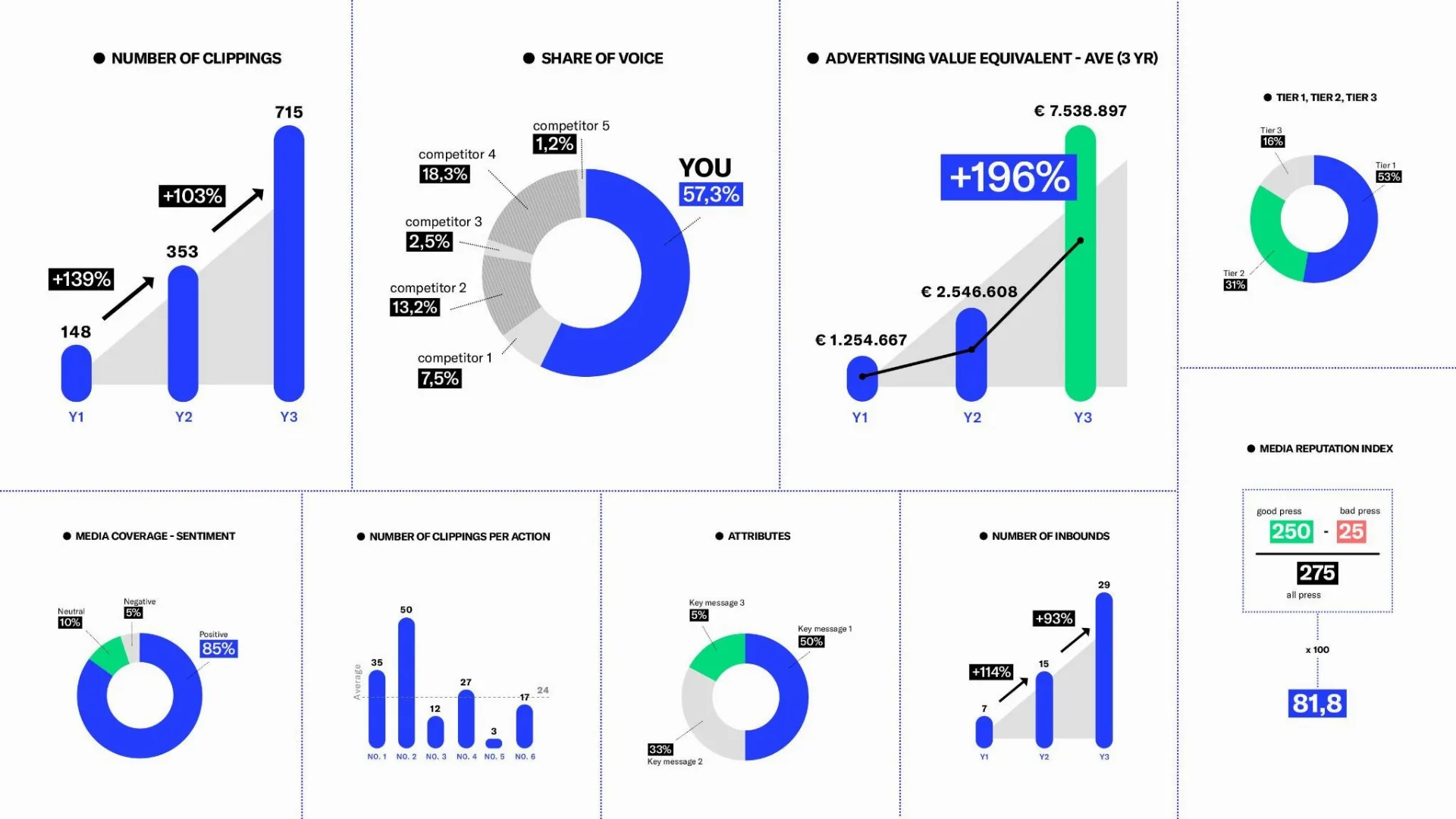
Marketing KPIs act as a "compass" in every campaign. KPIs help businesses clearly define objectives from the outset, select appropriate strategies, and continuously measure effectiveness for optimization throughout the implementation process.
Step 2: Choose Suitable Game Mechanics
Many businesses make the mistake of picking a game arbitrarily, overlooking user psychology. When designing Zalo Mini App gamification, the game mechanics must resonate with customer behavioral drivers:
CRM Objective: Short Games, Quizzes ➔ Instant Rewards
Sales Objective: Collection Games, Puzzle Pieces ➔ Accumulate Points / Redeem Vouchers
Viral Objective: Competitive Games, Leaderboards ➔ Invite Friends to Play
Real-World Case Studies from Marvy:
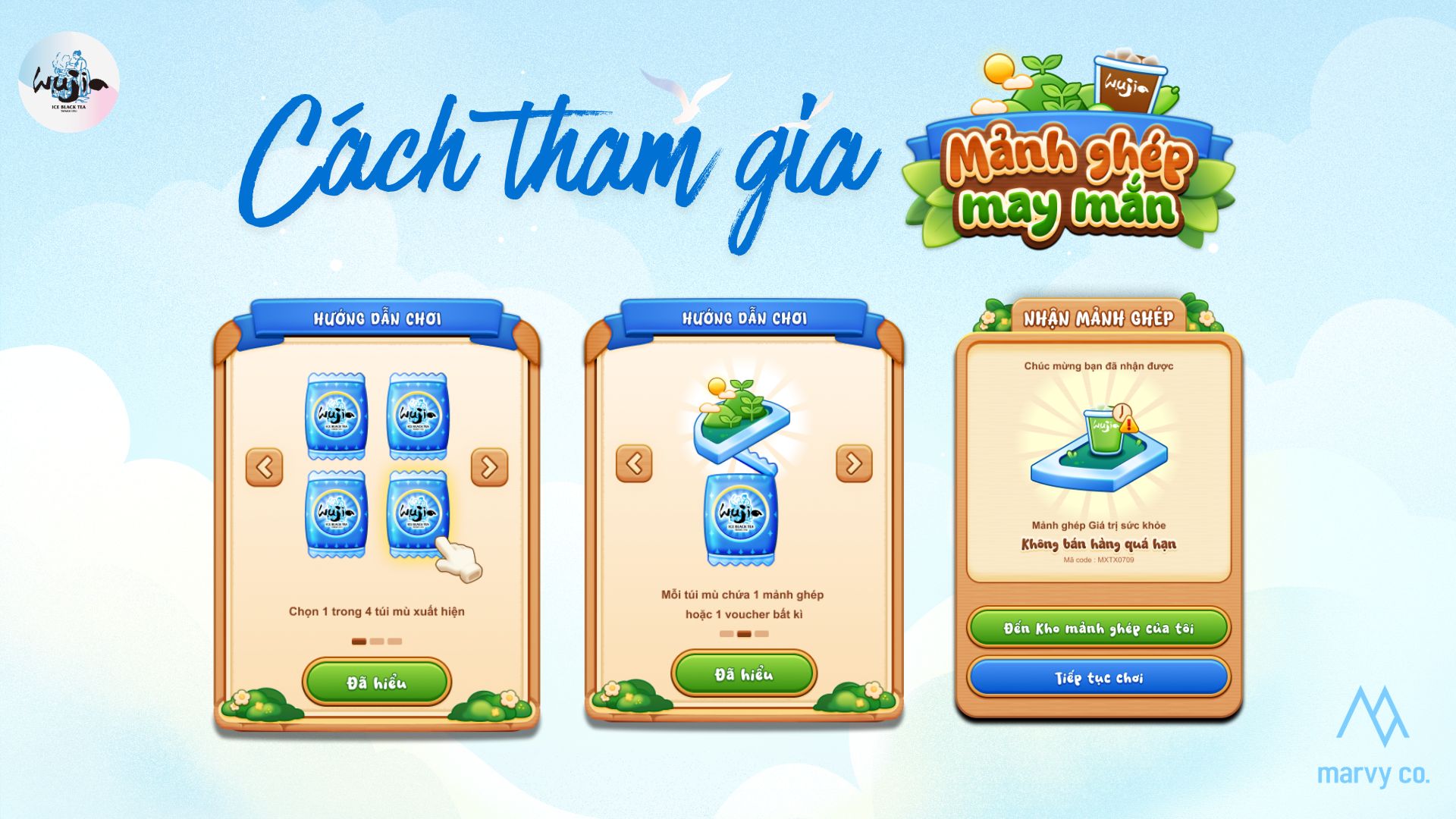
Hong Tra Ngo Gia (Blindbox - Collection - Sales Boost Mechanism): Each successful milk tea purchase earned 1 puzzle piece on the Zalo Mini App. The feeling of "almost completing the set" motivated customers to repeatedly buy tea to collect all pieces. The campaign recorded over 14,100 active customers and 187,000 plays.
[Learn more about the Hong Tra Ngo Gia - Lucky Puzzle Piece Blindbox Gamification project: Here]
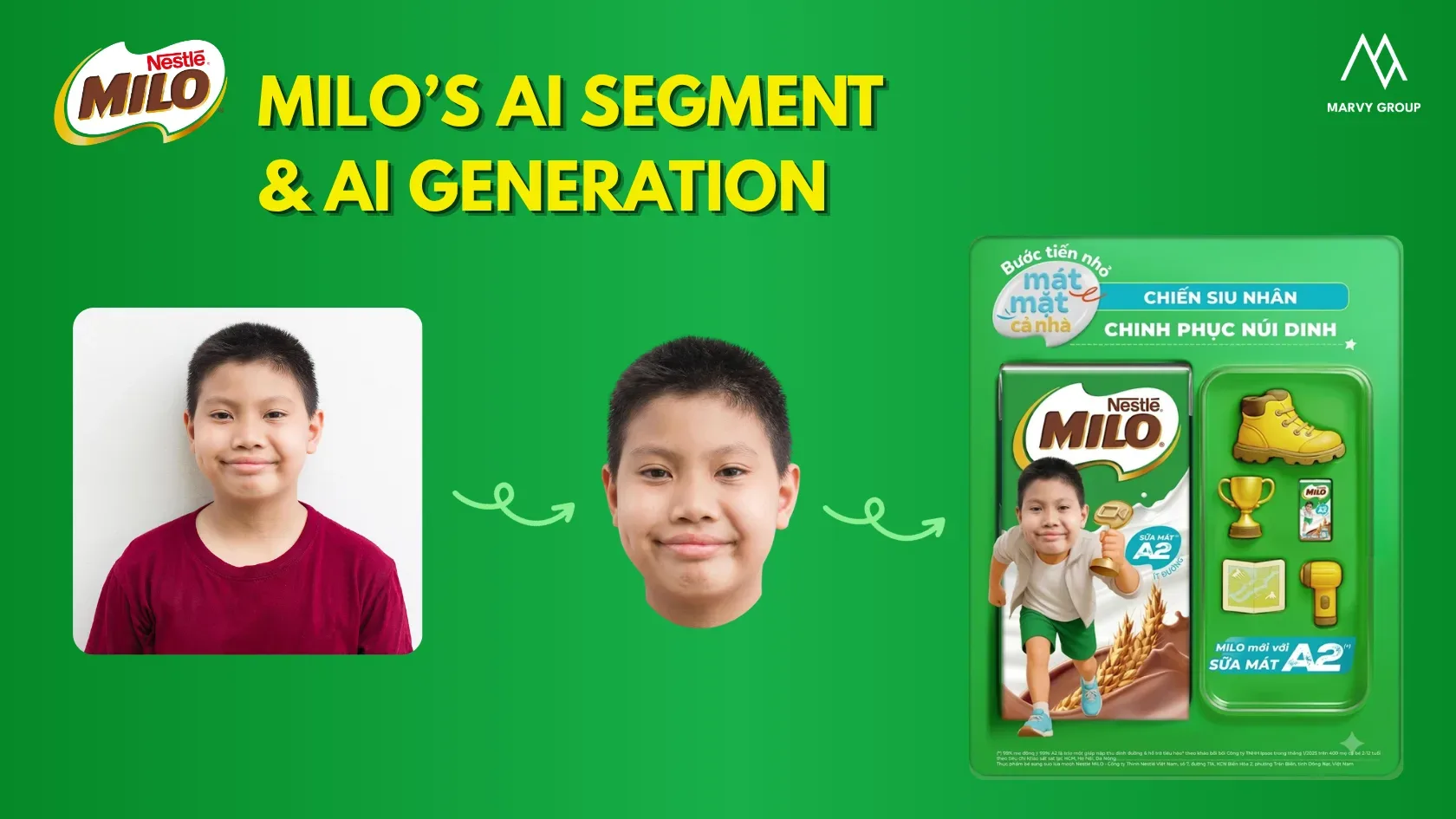
Milo A2 (AI Personalization - Viral Mechanism): Customers uploaded photos of their "babies" for AI to create unique AI Avatar frames. This sense of pride led parents to eagerly share on social media, attracting over 82,000 players without advertising costs.
[Learn more about the Milo A2 Faceswap and AI Generation Challenge project: Here]
Read more: If you want to understand more about the mistakes that lead to apps being abandoned, read the article "Having a Zalo Mini App but no one uses it: 5 common mistakes."
Step 3: Design Mobile-First UX/UI Interface
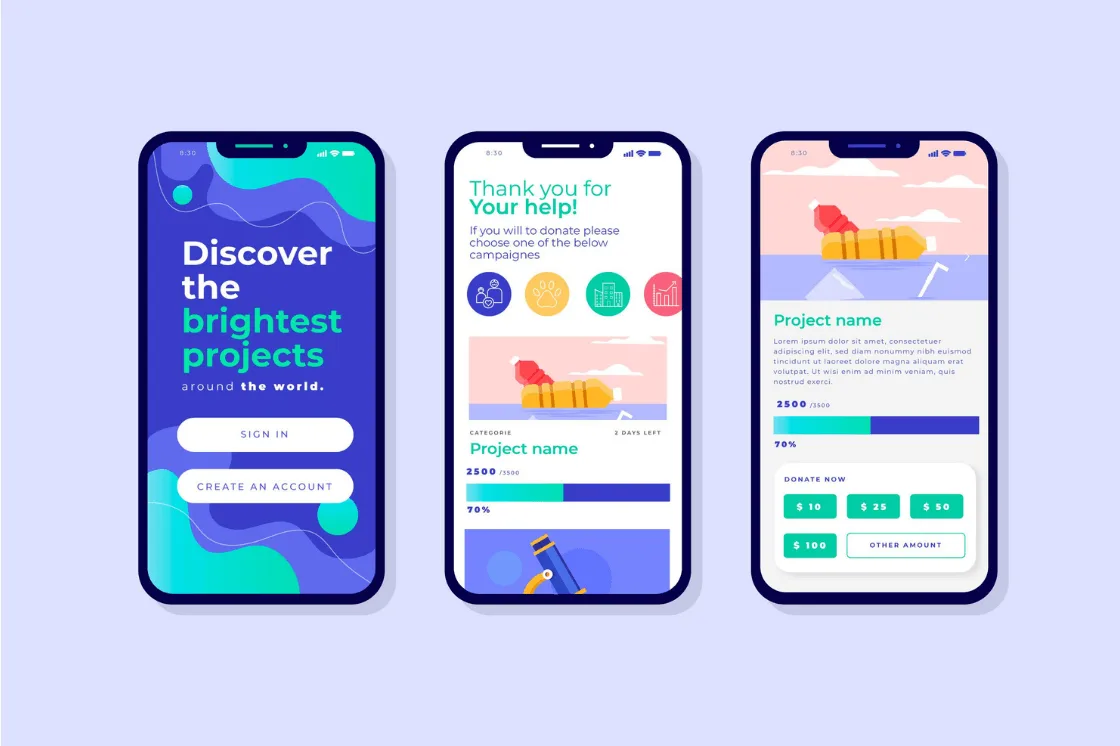
Users browse Zalo on their phones, operate with one hand, and their patience is extremely limited. Therefore, UX/UI design for Zalo Mini App gamification must adhere to the Mobile-First principle:
Super streamlined user flow: Customer opens Zalo ➔ Scans QR/Clicks Link ➔ Plays instantly within 3 seconds.
Clear buttons: Avoid cluttering with too much text or cumbersome banners that strain the eyes.
Smooth loading on all devices: Optimize image sizes for instant app loading, preventing lag on 3G/4G networks or older phone models.
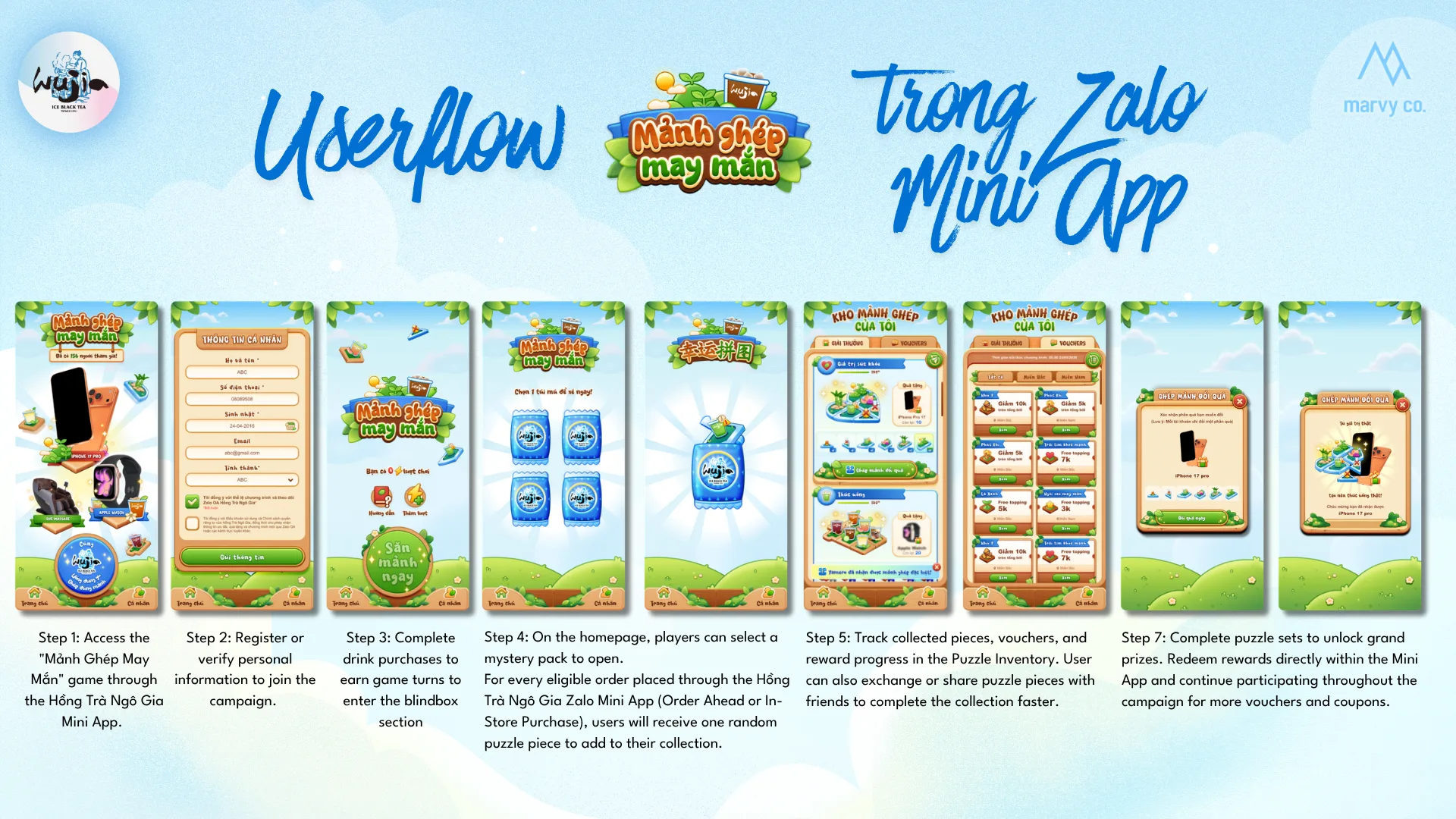
Userflow of the Hong Tra Ngo Gia Zalo Mini App game:
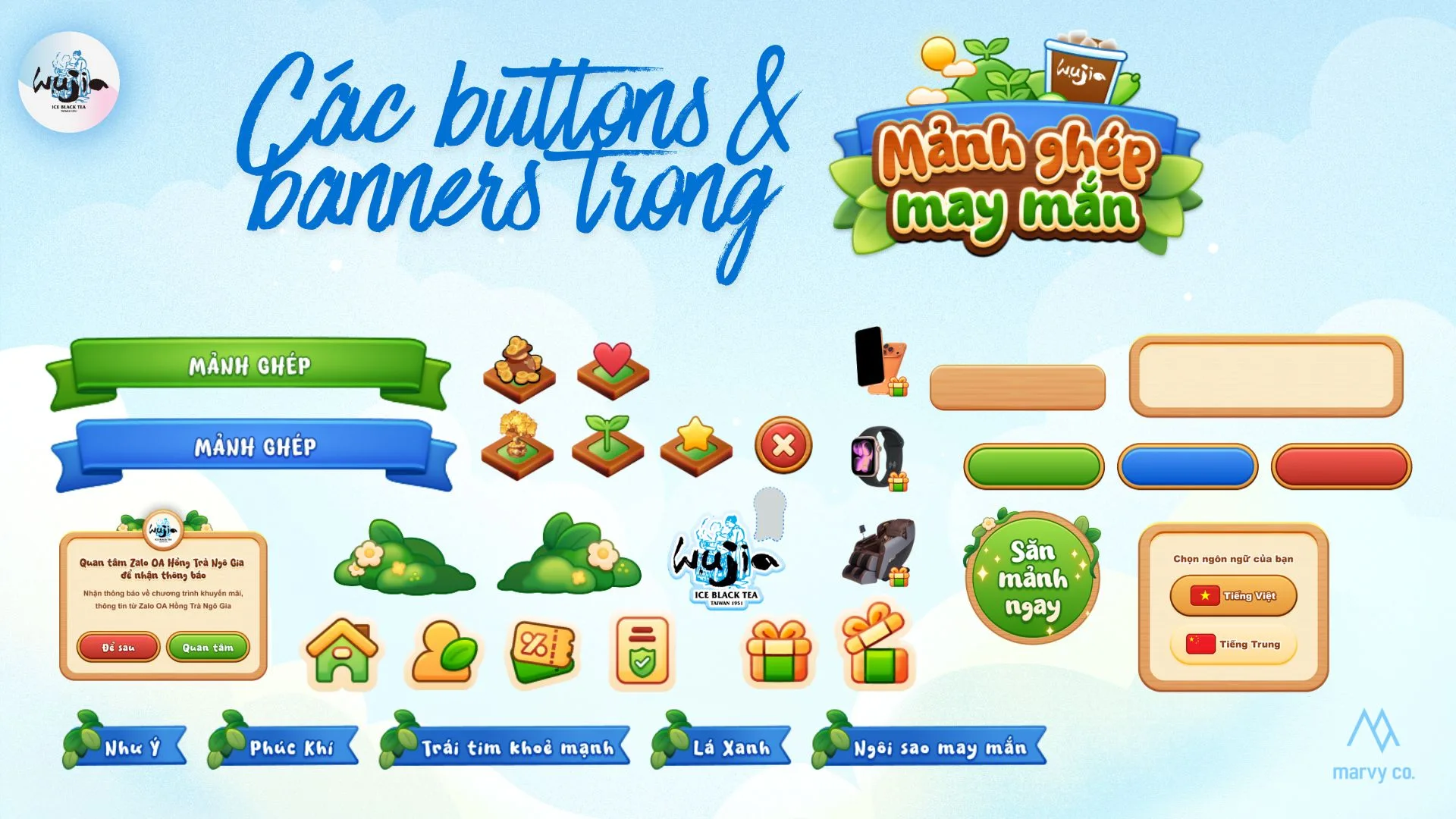
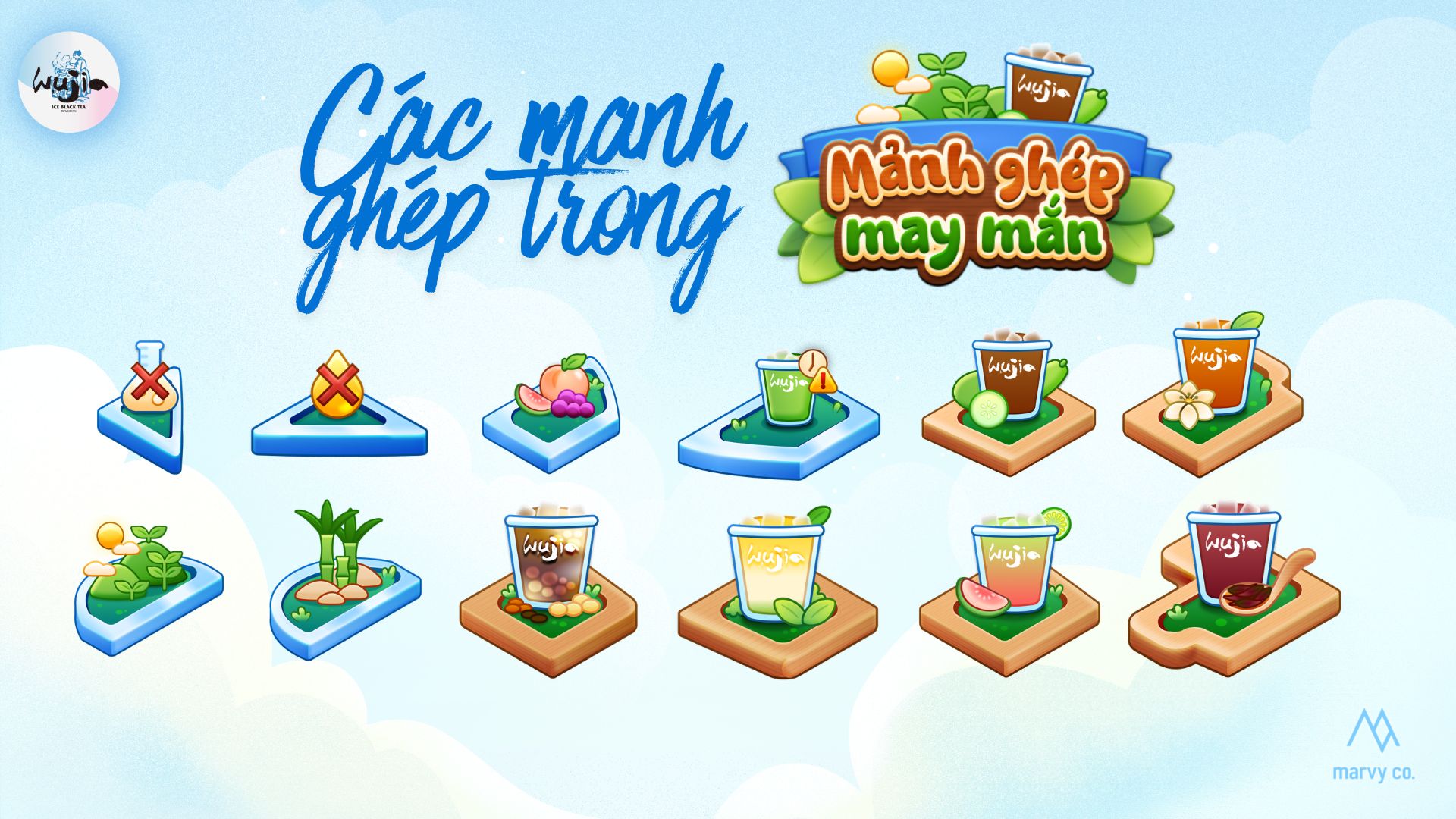
UX UI Elements of the Hong Tra Ngo Gia Zalo Mini App game:
Step 4: Build a CMS for Reward Management & CRM
Even the best game app can lead to a failed campaign if the reward system is buggy. You need a central management system (CMS) backend to:
Automatically distribute rewards: Prevent stock-outs or duplicate voucher codes.
Integrate CRM data: Store play history, visit times, and preferences for each customer.
Automate customer care: Directly connect with Zalo OA to send automated birthday messages, remind users of expiring vouchers, or announce new rewards.
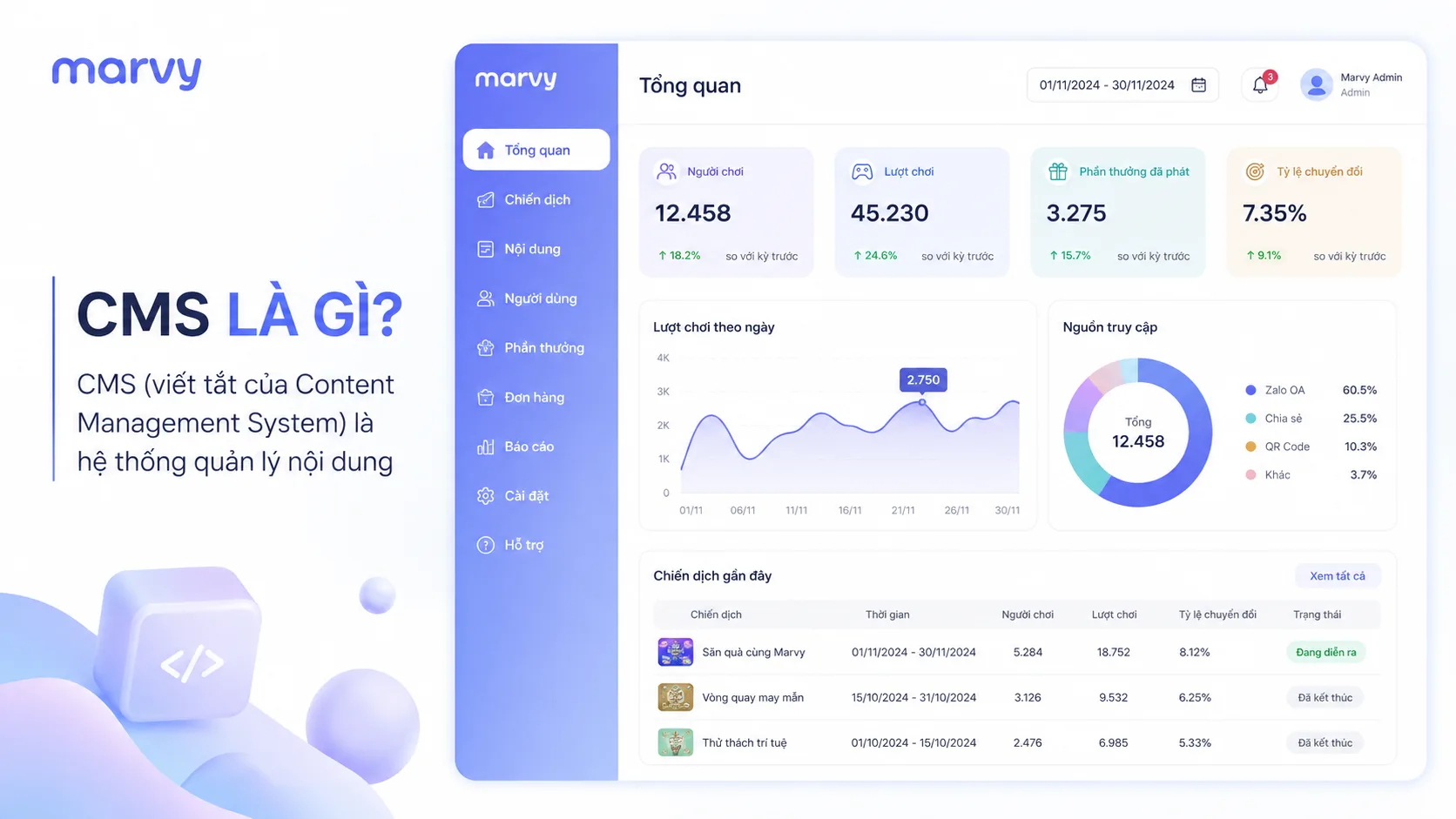
Businesses can easily gain deep insights into customer preferences based on how users input data or participate in game challenges.
Step 5: Measure the Cycle of Effectiveness (Analytics & Optimization)
When implementing Zalo Mini App gamification, launch day is just the beginning. You need to continuously monitor key metrics on your Dashboard:
Participation Rate: The percentage of users who open the Mini App and actually click to play the game.
Retention Rate: The percentage of players who return on day 3, day 7.
Conversion Rate: The percentage of players who make a purchase or redeem a reward.
If you observe a high drop-off rate at any step, you can immediately adjust wording, shorten the user flow, or change rewards directly within the system.

Conclusion
Building an effective Zalo Mini App gamification from A-Z is not complicated if you have a well-structured process and the right business mindset from the start.
Are you ready to elevate your next marketing and sales campaign?
Contact Marvy Co. today to receive consultation on the most suitable Zalo Mini App solution for your business!