
















Introduction
A few years ago, every F&B brand eagerly launched its own app, proudly displaying dazzling logos on the App Store. But what now? Many brands have quietly removed their apps, shifting budgets to something more streamlined, more affordable — and surprisingly, more effective: Zalo Mini Apps with built-in "games."
This isn't a coincidence. This is a budget shift with a very clear rationale.
1. Where is the Marketing Budget Flowing?
Three reasons why many F&B brands are quietly turning away from their standalone apps:
Standalone apps are incredibly expensive: costing 2-3 times more than Mini Apps, taking months to launch, and requiring customers to download them before use.
F&B customers buy quickly, with short patience: no one is going to download an entire app just to order a single cup of bubble tea.
Zalo Mini Apps offer a quick solution: no download needed, just open Zalo and use it instantly, completing an order in under a minute.
But hold on, if it's just about "faster ordering," a Mini App is just another ordinary sales channel. The thing that brings customers back for the 2nd, 3rd, or even 10th time — that's gamification.
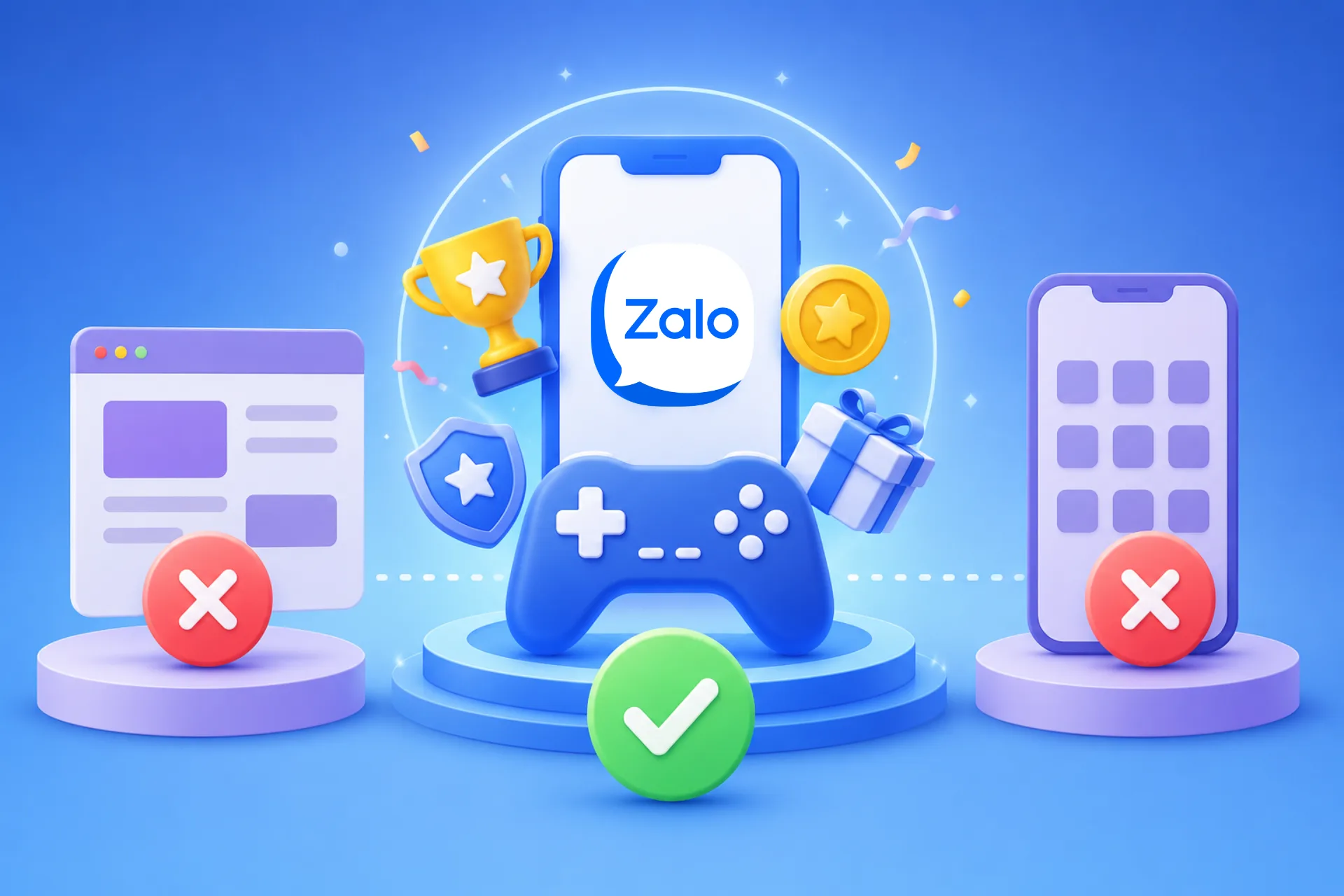
2. Why are Zalo Mini Apps a "Perfect Match" for Gamification, Outperforming Websites or Standalone Apps?
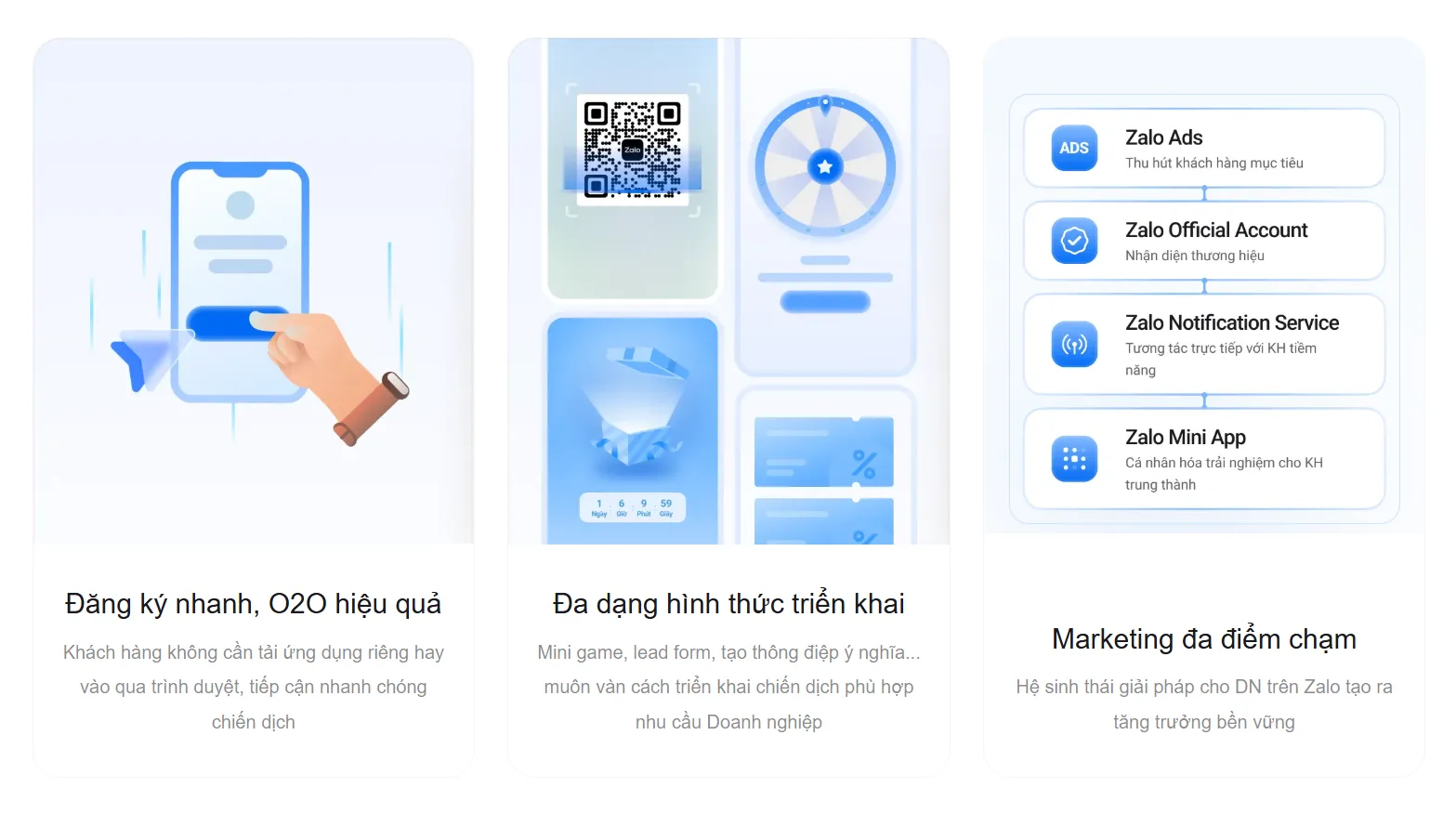
Imagine this: a website is like a store tucked away in an alley—customers have to actively seek it out. A standalone app is like a store requiring customers to "get a membership card" (download the app) before entering. And a Zalo Mini App? It's right on the main street of a neighborhood customers walk through every day—open Zalo and it's there, ready to play.
Three specific reasons:
Integrated into daily habits: no extra downloads needed to play a minigame, just open the Zalo app you already have.
Seamless with purchasing behavior: customers can play immediately after payment within the same flow, no need to switch to another app.
Significantly lower development costs: no need to build separate games for both iOS and Android, unlike with standalone apps.
3. Real-World Tactic: Wujia Black Tea Turns Every Cup into a Reason to Return
Wujia Black Tea didn't opt for dull discounts or loyalty points like many other brands. Instead:
Each purchased tea could be exchanged for a collectible puzzle piece directly on the Zalo Mini App.
Customers missing a few pieces were eager to buy more to complete their set.
The peer-to-peer (p2p) piece-sharing mechanism even encouraged customers to invite friends to play along.
Results: In just 1 month, over 14,100 active customers generated more than 187,000 plays, redeeming thousands of vouchers and exchanging puzzle pieces — numbers a simple discount program would struggle to achieve. Why? Because discounts only drive one-time purchases, while gamification makes customers want to return.
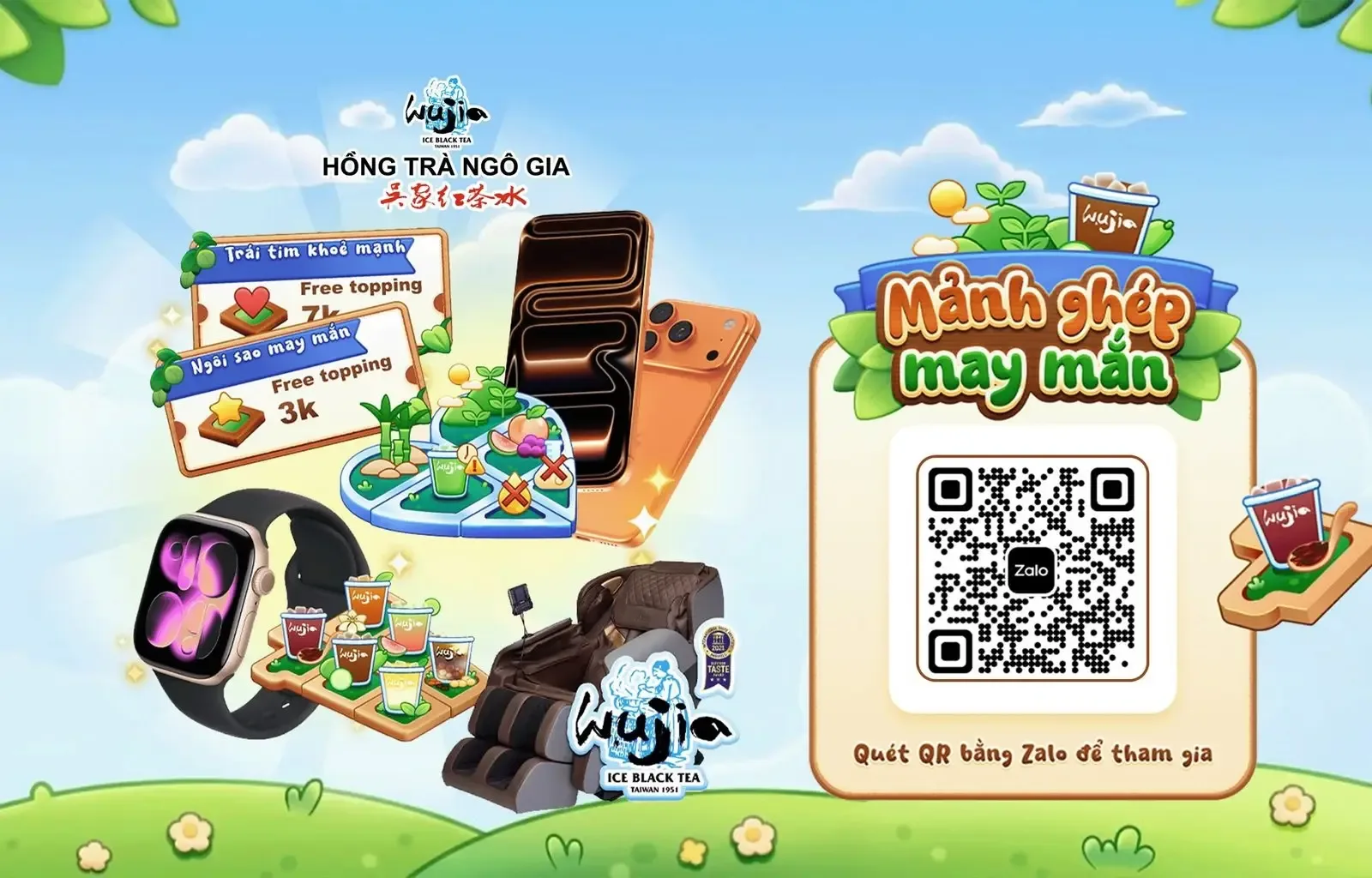
Learn more about the Zalo Mini App project in collaboration between Wujia Black Tea and Marvy: See details here
This is the "collectible craze": one of the psychological mechanisms that makes it hard for people to stop midway. And this is just one of many Zalo Mini App gamification projects that Marvy has implemented for various industries.
4. Which Industries Should "Plant Their Flag" First with This Formula?
Not every industry needs a gamified Mini App, but F&B and retail are the two clearest beneficiaries, because:
High repeat purchase frequency — customers return weekly, even daily.
Small order value — easy to offer minor rewards that customers still find "worthwhile."
The purchasing experience is already quick and streamlined, so adding a gaming step doesn't inconvenience customers at all.
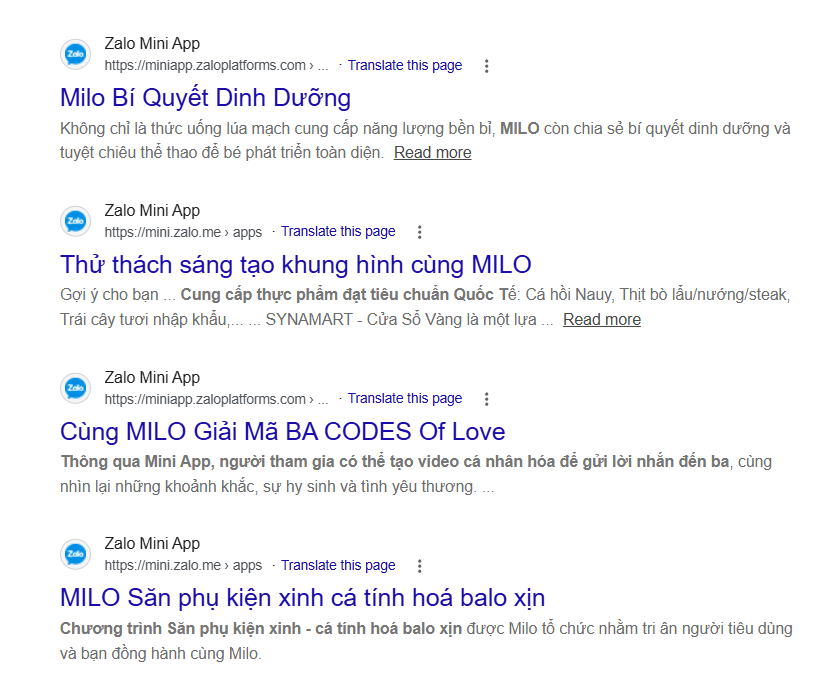
MILO is one of the F&B brands that has heavily invested in Zalo Mini Apps, with numerous ongoing gamification campaigns in recent years.
Marvy had the honor of implementing a Marketing campaign for Milo Vietnam, "Small Steps Challenge - Fun for the Whole Family," on the Zalo Mini App.
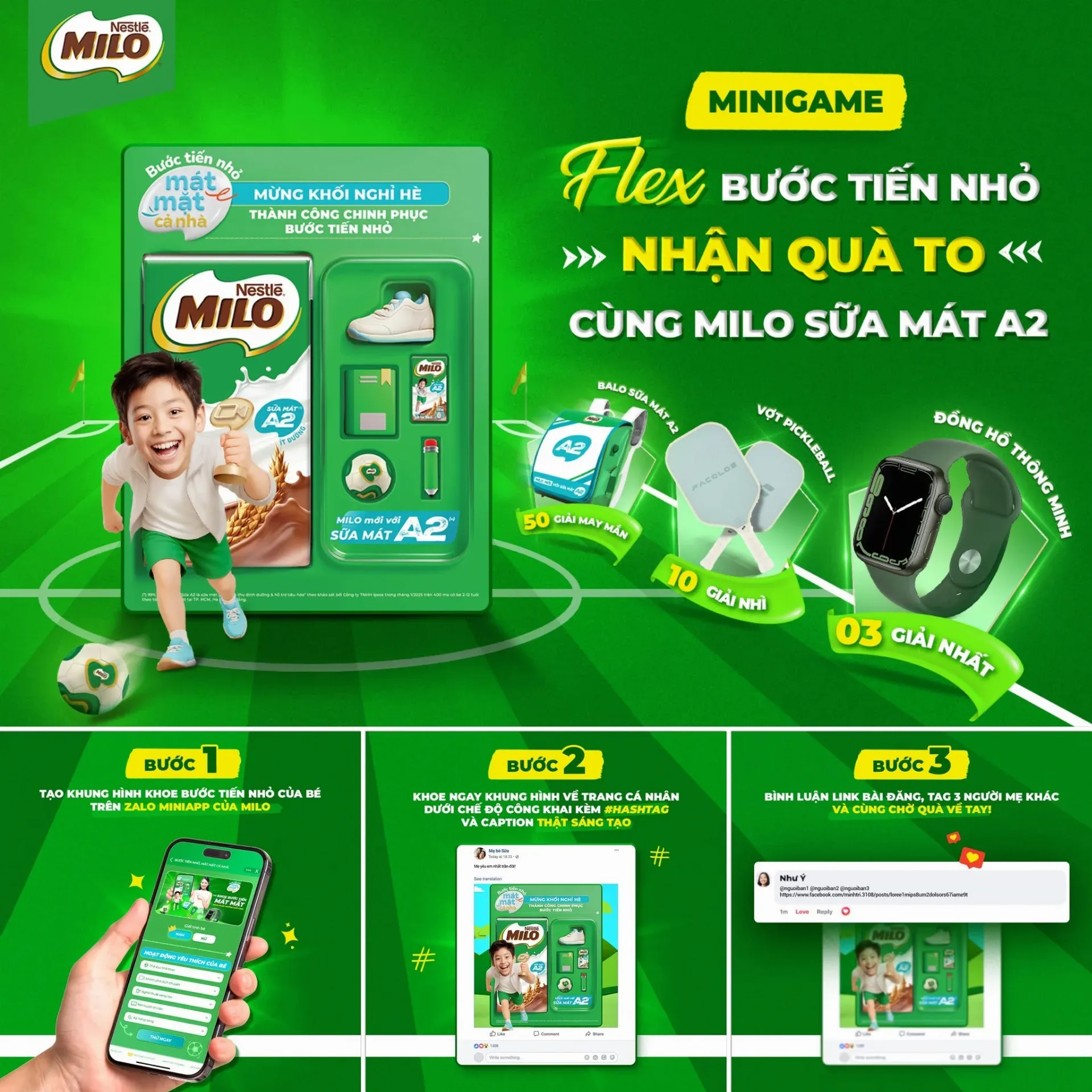
Learn more about Milo x Marvy's AI Image Generation and Faceswap project: See details here
Is Your Brand Ready to Make the Shift?
If you're torn between continuing to pour money into a standalone app that few people notice, or transitioning to a gamified Zalo Mini App as Wujia did — the answer is almost crystal clear.
Don't let your competitors be the first to transform their Zalo Mini App into a playground that keeps your customers coming back!
Contact Marvy Co. today for a free consultation and tailored gamification strategies for your industry. Want to learn more before deciding? Head over to Marvy's blog for more case studies and implementation tips.