








1. GPS AR or VPS AR
I. Definitions
GPS AR (Augmented Reality): AR technology based on GPS positioning to display virtual content at a specific geographic location (longitude, latitude).
VPS AR (Visual Positioning System): Positioning technology using computer vision, leveraging images or videos from a camera to determine the device’s position and orientation in the real environment with high accuracy.
II. Uses
GPS AR: Create large-scale outdoor AR experiences, AR map games, location promotion, outdoor events.
VPS AR: Create highly accurate AR experiences down to specific objects, AR navigation, virtual showrooms, indoor guidance, and interactive activities tied closely to the real environment.
III. Target Users
Businesses: Interactive marketing, customer guidance, events, product displays.
Individual users: Participate in AR games, interactive tourism, museum tours.
Public organizations: Museums, shopping malls, tourist attractions, exhibitions.
IV. Real-life Examples
GPS AR:
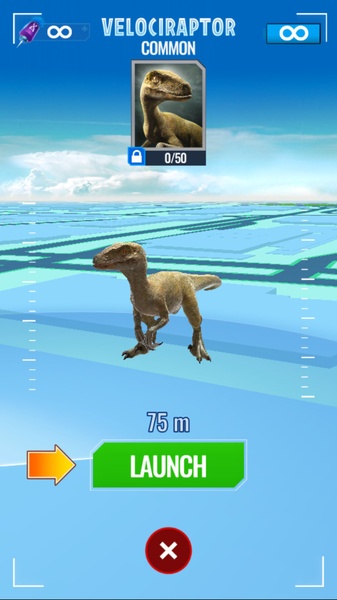
Jurassic World Alive – Players move in real life to collect dinosaur DNA, create new species, and battle other players.
Outdoor marketing campaigns: users scan QR codes or open an app to see virtual objects appear in parks or squares.
VPS AR:
AR navigation in shopping malls (3D arrows showing the way).
Virtual car showroom where users move around and see 3D products placed in real positions.
Interactive art exhibitions where AR works attach precisely to walls or objects.

2. Comparison of GPS AR vs VPS (Xense) and VPS (8thWall)
Criteria | GPS AR (GPS-based AR) | VPS AR (Xense) | VPS AR (8thWall) |
Operating Principle | - Uses GPS coordinates (±5–25m), attaches AR to longitude/latitude. | - Uses a camera to scan the environment, matching with a pre-scanned 3D map to determine location. | - Based on Lightship VPS, matches the environment with a saved 3D mesh map to determine position, supports occlusion & physics. |
Accuracy | - Low (±5–25m). | - High (cm–dm), precise enough to attach AR to small objects. | - Very high (cm), supports occlusion and physics. |
Coverage | - Outdoors where GPS is available. | - Indoors & outdoors (if scanned). | - Indoors & outdoors (if VPS-enabled). |
Pros | - Global coverage. - No pre-scanning required. - Suitable for large AR map games. | - Accurate positioning. - Indoor AR support. - AR “sticks” to the environment. - AR navigation. - Versatile interactions. | - Over 600,000 VPS locations available. - Access to 3D mesh. - Private VPS. - WebAR persistence. - LiDAR scanning possible. |
Cons | - Low accuracy. - Unstable in dense urban areas. - Not for indoors. - Cannot detect obstacles. | - Requires pre-scanning via video or 360° camera (Xense CLAP app). - Cannot work in unscanned/changed areas. - Higher cost than GPS. - Web less optimized than app. | - Requires real-world capture (minimum 10 videos at different times). - Cannot create VPS from GPS or still images. |
When to Use | - Large-scale outdoor AR. - No need for exact precision. | - AR navigation. - AR showroom/exhibition. - Need highly precise AR placement. | - Indoor/outdoor AR. - Projects needing occlusion, physics, persistence. |
3. Cost Comparison
Cost Item | GPS-based AR | VPS-based AR |
Software Development | Low – only needs GPS coordinates | Medium – requires additional scanning system and VPS SDK |
Map Creation | Not required | High – need 3D map creation (image scanning, LiDAR, photogrammetry) |
Supported Devices | Common – regular smartphones are enough | Sometimes requires additional devices – if using an app |
Deployment Speed | Fast – no map creation needed | Slow – need VPS environment preparation and accuracy testing |
Maintenance Cost | Low – only update content | High – if environment changes (objects change), must rescan |
Scalability Cost | Cheap when expanding to many points | Very expensive to expand (each new point requires separate VPS scan) |
Marvy Co.: Your Partner in Groundbreaking AR/VR Experiences
Bringing your brand into the world of Augmented Reality (AR) and Virtual Reality (VR) can be a breakthrough — but it requires the right expertise. Marvy Co. will help you make it happen with ease. We provide:
Exceptional creativity and technical expertise in designing engaging AR/VR campaigns that deliver unforgettable user experiences.
Strategic consulting to integrate AR/VR into marketing, events, and customer journeys.
A professional production team for custom 3D design, interactive environments, and multi-platform deployment.
Don’t let complexity hold back your innovation. Contact Marvy Co. today to discover how we can turn your ideas into vivid AR/VR experiences.
Contact
Email: info@marvyco.com
Phone: +84 913 639 677
Website: https://marvyco.com